

U.S. Imports Zero Saudi Crude Oil for First Time Since 1985
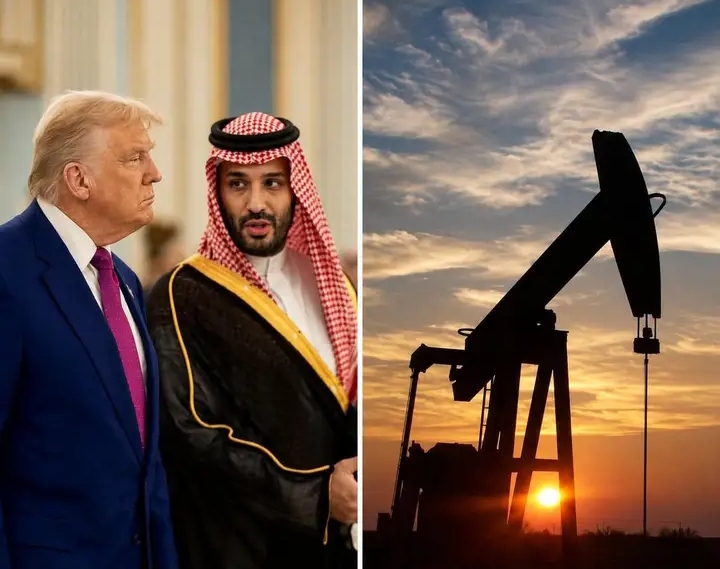
The United States has completely halted imports of crude oil from Saudi Arabia, marking the first time since 1985 that Washington has recorded no crude oil imports from Riyadh.
The historic shift comes amid growing disruptions and uncertainty surrounding key global oil shipping routes, particularly the Strait of Hormuz and the Red Sea. Tensions and security risks in these strategic waterways have affected the movement of crude oil and other energy supplies between major producers and international markets.
Saudi Arabia has historically been an important crude oil supplier to the United States, at times sending as much as 800,000 barrels per day to the American market. However, U.S. dependence on Saudi crude has declined significantly over the years as domestic American oil production expanded and the global energy market diversified.
The latest development underscores how dramatically the structure of U.S.–Saudi energy relations has changed over the past four decades. While Saudi Arabia remains one of the world’s largest oil producers, the United States has become far less dependent on imports from the kingdom
The halt also comes at a particularly sensitive moment for global energy markets, with disruptions around the Strait of Hormuz—a critical passage for international oil shipments—and instability affecting routes through the Red Sea raising concerns about supply security, transportation costs and crude oil prices.
The development is being closely watched by energy markets because any prolonged disruption to major shipping routes could force refiners and traders to seek alternative sources, potentially reshaping global crude flows.