

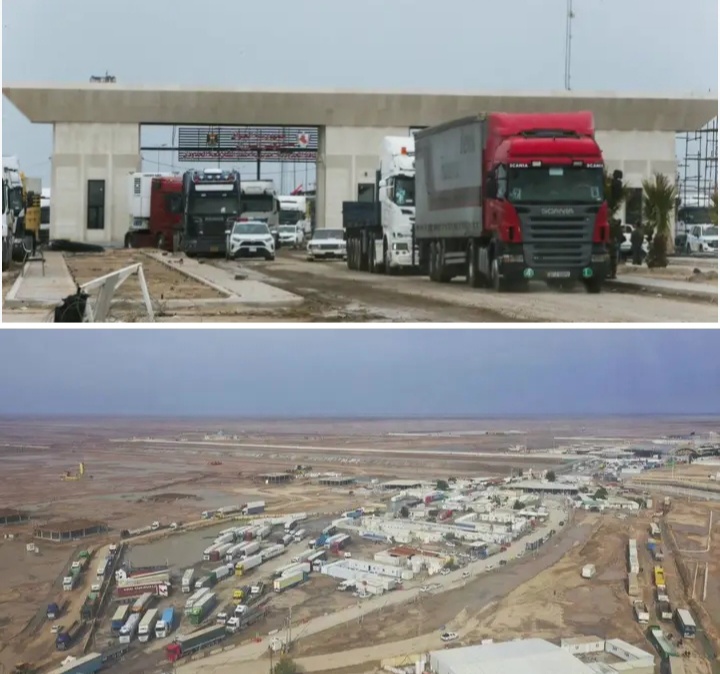
US Pressures Iraq to Shut Most Iran Border Crossings as Washington Tightens Economic Stranglehold on Tehran
The United States is pressuring Iraq to close most of its land border crossings with Iran, seeking to cut off key trade routes and restrict Tehran’s access to weapons, sanctioned goods and financial networks.
Iraqi Foreign Minister Fuad Hussein said the US Treasury Department had asked Baghdad to keep only two crossings with Iran operational. However, he warned that shutting the remaining routes would be difficult and could seriously damage Iraq’s economy.
Washington has also established Task Force Iron Gate, a new US military and government initiative announced on November 7. Based in Florida and comprising approximately 20 personnel, the task force is designed to disrupt the movement of advanced weapons, dual-use technology, sanctioned materials and illicit revenue through Iran’s land borders and the Caspian Sea.
The pressure is already creating complications along the Iraq-Iran border. Iraq reopened the Al-Sheeb crossing on November 10 after weeks of closure, while announcing plans to temporarily close the Mandali crossing for maintenance. Baghdad has attributed these decisions to technical requirements, and their direct connection to US demands remains unclear.
The campaign extends beyond Iraq. Washington is also seeking cooperation from Turkey and Pakistan, but neighboring countries are resisting measures that could disrupt trade, damage local economies and increase tensions along their borders.
The developments mark an expansion of the US pressure campaign against Iran, moving beyond maritime restrictions toward the land routes Tehran relies on to maintain regional trade and supply networks.