

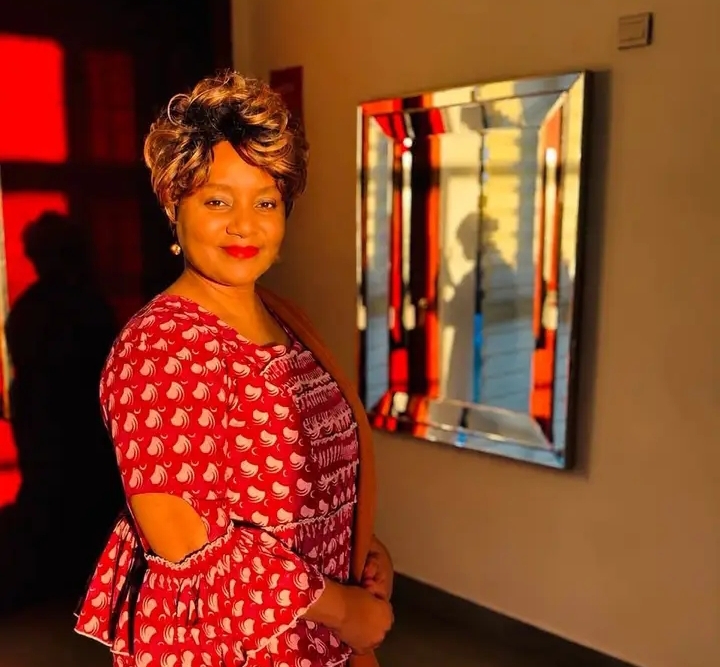
Maureen Nkandu writes….
WHAT ENTERING POLITICS TAUGHT ME
For Zambia’s 2026 elections, I made a decision I had never made before: I would run for Parliament.
I chose the constituency route, seeking to represent Nkundalila in Serenje, my rural home constituency, as an independent candidate.
There was also a proportional representation route for women, but I wanted to seek a direct mandate from the people I hoped to serve.
As a journalist, I had covered African politics and elections extensively, alongside years of experience in development and international affairs across Africa, including work with the UN, AU and World Bank.
It felt like a natural extension of the work I had been doing, except that this time, I would try to influence it from inside Parliament and directly on the ground.
But politics taught me quickly that knowledge and conviction are not enough.
I briefly joined the Citizen First Party, hoping to access the organisational and financial support that comes with party structures.
After three days, I left and returned to my independent candidacy. My heart was in Nkundalila. That was where my connection was, and where I believed I could make a meaningful contribution. I was criticised for the flip-flopping. I listened and took it as a bad lesson learned.
Then came some of the realities of politics: financial pledges that did not materialise, and offers of support that came with conditions I felt could compromise my independence.
A serious domestic emergency also arose that required my attention. I eventually withdrew my candidature. I withdrew from the ballot; I did not withdraw my voice.
A month later, I found myself campaigning for the Tonse-Pamodzi Alliance.
I had initially worked quietly with its strategic advisory team on national development and foreign policy. I learned a lot about the workings of government and enjoyed this experience. In the final weeks, I became more publicly involved, speaking at a few rallies and helping with narratives and messaging.
That exposed me to another side of politics: the toxic social media and ground politics environment, where opposing views can quickly become deeply personal and even violent.
For women, these attacks can be especially vicious. Instead of debating what a woman says, people attack who she is, her character, motives, appearance, or private life, including expletives about political choices.
But the lessons I took from the experience are much bigger than me.
If we genuinely want more women in African politics, we cannot simply tell women to be brave and step forward because there is space for them. We need to create the conditions that allow them to do so; political financing that does not compromise independence, stronger support structures, protection from intimidation and violence, and a political culture that can distinguish robust debate from the deliberate destruction of people’s reputations just because they hold a different view.
I went into the 2026 elections wanting to become an MP. I didn’t. But I came away with a much bigger understanding of what it means for a woman to enter politics in Zambia.
I also experienced that in Africa, politics is a dirty, and unfair contact sport. There are a lot of bruises and casualties.
People ask me if I regret how things turned out. I tell them that I don’t. My late father taught us that it is not the things we do that we regret; it is what we do not do.
I learned from it, and I will go for it again.
My view on women’s participation in politics goes beyond gender stereotypes and the negative myths often associated with women. Politics is not an easy undertaking for either men or women. It is a tough and demanding space that requires courage, resilience, determination, hard work, and the ability to remain focused despite challenges.
For women, participating in politics can also mean confronting and overcoming stereotypes, breaking barriers, challenging limiting perceptions, and, most importantly, believing in oneself.
Iris Kaingu is, in my view, a young woman who has demonstrated remarkable resilience in navigating public life. Despite facing criticism, mockery, negative labels, and other challenges, she has continued to stand firm and believe in herself. Her journey demonstrates the importance of perseverance and refusing to be defined solely by the opinions or judgments of others.
Her experience can serve as an encouragement to young girls and women who aspire to participate in leadership and public affairs. Women should be given the space and opportunity to define their own journeys, contribute to society, and pursue leadership based on their abilities, character, and determination.
Ultimately, women’s participation in politics should not be about gender rivalry, but about creating a society where everyone has a fair opportunity to contribute and lead.
In my view, you also barked a lot on social media, daily. Your yapping on social media also contributed to your opinion that African politics is “toxic”. You should just have campaigned quietly in Kundalila. I don’t know exactly where Kundalila in Serenje is and its size, but being a rural Constituency, and if that is your place of birth, everybody there knows you very well and your fame, Madam, you did not have to have a sack full of cash “Kasaka kandalama” or political Structures. In any case, rural people are not that demanding and their demands are basic.
Just give another reason for bungling Kundalila, Madam, not about your generalisation of African politics and disadvantages that women face in African politics, it does not wash with me.