

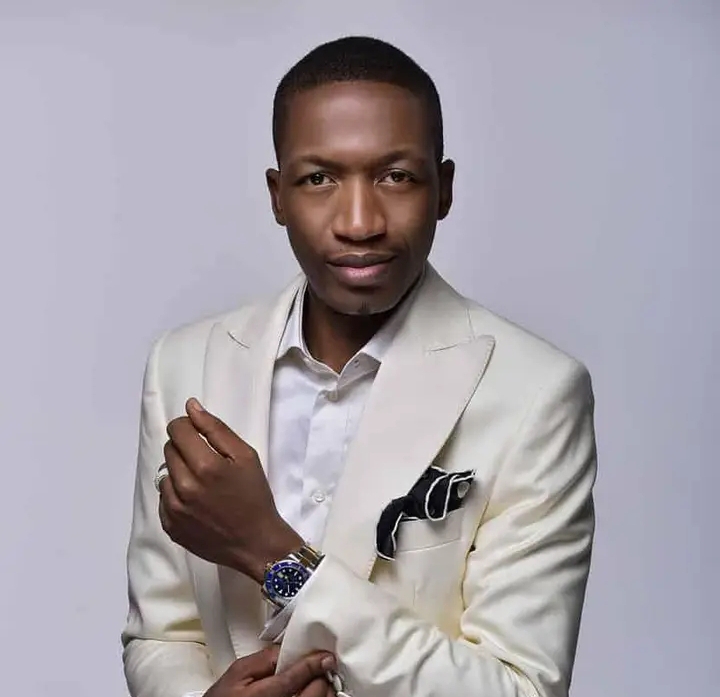
By Dr. Lawrence Mwelwa
In every election season across Africa, a familiar pattern emerges. Campaign posters go up, political parties mobilise, citizens prepare to vote—and suddenly, prophets begin announcing heaven’s preferred candidate. The louder the campaign, the louder the prophecies. It has become so common that some people now wait for the “prophetic result” before the Electoral Commission even opens the polls.
Yet history tells a different story.
Time after time, bold election prophecies have failed. In Zambia in 2021, Prophet Isaac Amata publicly declared that Edgar Lungu would retain the presidency. Zambians voted, the Electoral Commission announced the results, and Hakainde Hichilema became President.
In Ghana, Prophet Nigel Gaisie confidently predicted John Mahama’s victory with remarkable precision. The official results declared Nana Akufo-Addo the winner.
In Zimbabwe, Pastor Samuel Akinbodunse declared Nelson Chamisa’s victory. The Zimbabwe Electoral Commission announced Emmerson Mnangagwa as the winner.
In Nigeria, several respected clerics gave conflicting prophecies. Some declared Peter Obi would become President. Others prophesied Atiku Abubakar. Others supported Bola Tinubu. Heaven, it seemed, was speaking with many contradictory voices. Yet only one official result emerged.
These examples should humble every believer.
The issue is not whether God speaks. Scripture is clear that God speaks. The issue is whether everyone claiming to speak for God truly does.
The Apostle John gives a solemn warning:
“Beloved, do not believe every spirit, but test the spirits to see whether they are from God.” (1 John 4:1)
That command was never suspended during election campaigns.
Unfortunately, election seasons have become profitable seasons for some self-proclaimed prophets. Political endorsements attract attention. Attention attracts followers. Followers attract offerings. Offerings become income. Before long, prophecy risks becoming a business model instead of a sacred ministry.
The tragedy is that when such prophecies fail, it is not only the prophet’s credibility that suffers. The name of Christ is mocked, genuine prophetic ministry is questioned, and many sincere believers become confused.
Throughout Scripture, God’s prophets were never political consultants seeking relevance. Nathan confronted David. Elijah challenged Ahab. Jeremiah rebuked kings. John the Baptist spoke against Herod. None of them adjusted their message to please those in power or those seeking power.
Their assignment was truth—not popularity.
Deuteronomy 18 reminds us that prophetic claims must be tested. When someone repeatedly predicts events that do not happen, believers should exercise discernment rather than blind loyalty. That does not require hatred or ridicule; it requires wisdom.
The greatest danger today is not false prediction alone. It is replacing personal responsibility with prophetic dependency.
Some citizens no longer evaluate policies, integrity, competence, or constitutional values. Instead, they ask, “Which candidate has been prophesied?” Democracy was never designed to function that way. Elections are decided by informed citizens exercising their constitutional rights—not by competing prophetic declarations.
Even in the Bible, God often worked in unexpected ways. Samuel almost anointed the wrong son of Jesse because he judged by appearance. God corrected him:
“Man looks at the outward appearance, but the Lord looks at the heart.”
That lesson still stands.
No prophet should become a substitute for conscience, wisdom, or careful judgment. Faith does not excuse believers from thinking. It calls them to think with greater discernment.
The Church must therefore reclaim prophetic integrity. The prophetic office exists to call nations to righteousness, justice, repentance, and hope—not to become an extension of campaign headquarters.
A true prophet points people to Christ before pointing them to politicians.
A true prophet warns against sin before predicting elections.
A true prophet builds faith, not personality cults.
As Africa matures democratically, believers must mature spiritually. Let us refuse to be manipulated by sensational predictions designed to generate headlines, influence politics, or increase offerings.
God is not confused. God does not contradict Himself by declaring multiple opposing winners through different prophets.
The next time someone confidently announces the outcome of an election in the name of God, remember Zambia, Ghana, Nigeria, and Zimbabwe. Remember that many confident predictions failed to match the officially declared results. Most importantly, remember Scripture’s instruction to test every claim rather than accepting it simply because it is spoken from a pulpit.
The future of our nations will not be secured by profitable prophecies but by truth, integrity, justice, prayer, responsible citizenship, and leaders who serve with humility.
Do not be misled by those who prophesy for profit. Test every spirit. Hold fast to what is true.