

By Amb Emmanuel Mwamba
WHEN THE PASSPORT DOESN’T TELL THE WHOLE STORY.
Citizenship looks very simple when you only look at a passport.
Then African history walks into the room and ruins the whole argument.
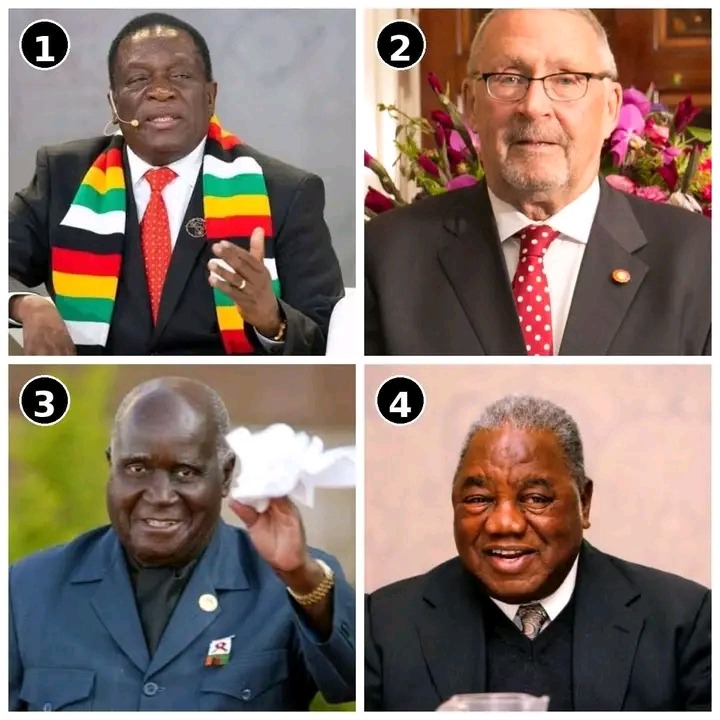
1. Emmerson Mnangagwa
Zimbabwe’s President was born in Southern Rhodesia, but Zambia basically babysat him.
His family moved to Mumbwa when he was young. He went to school here, became involved in UNIP politics and even served in the UNIP Youth League.
Then one day he walked back across the border and eventually became President of Zimbabwe.
Zambia apparently raises presidents for export.
2. Guy Scott
Born in Livingstone.
Scottish father. English mother.
No Zambian mother. No Zambian father. No complicated village genealogy required.
Just Guy Scott, farming, talking politics and wearing that famous white shirt.
Zambia made him Vice President and later Acting President.
Nobody stopped the country and shouted, “But where are your parents from?”
3. Kenneth Kaunda
Now this one makes African history even more interesting.
KK was born in Chinsali, but his parents had come from Nyasaland, present day Malawi. His father was a missionary and teacher.
So technically, the man we proudly call the Father of the Zambian nation was himself born to parents who had crossed what later became an international border.
And yet nobody seriously looks at Kenneth Kaunda and says: “That man wasn’t Zambian.”
Please. KK IS Zambia.
4. Rupiah Banda
RB was born in Gwanda, in what is now Zimbabwe.
Why?
His Zambian parents had gone across the border looking for work.
Baby Rupiah arrived there, eventually came home and years later entered State House as President of Zambia.
Born across the border.
Raised as a Zambian.
Ended up running Zambia.
And that really is the point.
Africans were moving across these lands long before modern borders, immigration desks and passports existed.
Sometimes a birthplace tells you where someone arrived. It does not always tell you where they belong.
Mwamba stop trying to vilify the criminal acts of others.
Some of you know who you are and whether you are really Zambians or not. The era in which some of these leaders you have listed. Human trafficking laws were not there. Laws are created and evolve according to circumstances. To suggest that the listed leaders were born outside Zambia and went on to lead Zambia is question of 1. How they aquired their citizenship. 2. The prevailing laws at the time. Baby Banda was born in an era when Zambia was part of the Federation. His parents worked and travelled legally across the borders which were defined at the time.
Human trafficking.laws came about in the late 1980s as a result of children whose parents were unable to travel with them later travelled with unrelated people at a fee.
So please save you useless arguement for those that you mislead as they are ignorant and have a poor reading culture.
Want to stand for public office. Ensure your immigration status is correct. Ensure that the ducuments and status that you have is valid. There are many people who intelligent, compentent and wise but their manner and status of their immigration papers is questionable. They quietly and humbly know who they are and what they are. In short be aware of who you are or it may catch up with you.
In all these people you have listed. They never lied on their documents. They never crossed borders nor entered Zambia under questionable circumstances. Their parents followed the law. As for the Zimbabwean President you have shed very little light as to the immigration laws in that country, how at Independence freedom fighters (of who the President was a part of) was granted amnesty on the law. The law is not a one size fits all. The person you vilify was found wanting. Fraud was cited and he needs to address that in the courts. Not in the media. You have run from the law yet you cite persecution. Assult of a law enforcement officer is not persecution its a crime. If you can not distinguish this clearly the problem is you and how you choose to abuse the system and undermine the law. Stop trivialising the law.