

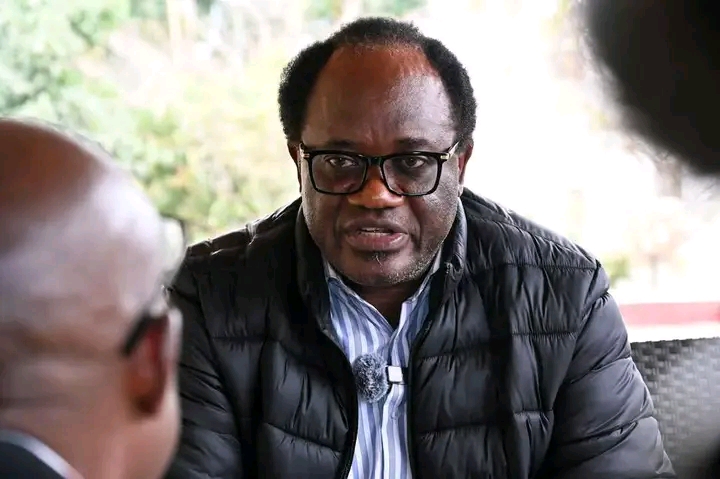
WHO HAS BEEN STOPPED FROM FILING THE PRESIDENTIAL PETITION?
Zambians, it is high time we understand the legal procedures surrounding presidential election petitions so that the public is not misled by claims that could unnecessarily create panic and tension in the country.
We are concerned that even some legal practitioners and civil society organisations have not adequately explained to the public the available mechanisms for initiating court proceedings, including electronic filing where permitted under the applicable Judiciary rules and systems.
This comes amid concerns raised by some stakeholders, including the Law Association of Zambia (LAZ), over the physical closure or restricted access to court premises.
The Police have explained that the security measures are based on intelligence indicating a potential threat to the lives and safety of Judiciary workers and other staff.
The important question, therefore, is this, has anyone actually been prevented from filing a presidential election petition, or has physical access to court premises merely been restricted because of security concerns?
Under Zambia’s modern judicial system, court documents may, where applicable, be filed electronically through authorised Judiciary systems. Therefore, the physical presence of security officers at a court building does not, by itself, necessarily mean that a person is legally prevented from commencing proceedings if the relevant rules provide for electronic filing.
If Toonse Pamodzi Alliance presidential candidate Brian Mundubile believes that the presidential election results were unlawfully altered or that his victory was taken away from him, and he has evidence to support his claim, the question is simple: Why not use every lawful avenue available to file the petition within the prescribed period?
This is particularly important given reports that Mr. Mundubile is currently in the UN residence seeking Asylum, which could make physical attendance at court difficult.
There are also reports that Police want to question Mr. Mundubile over alleged forged G20 documents.
We therefore challenge those claiming that the High Courts have effectively been shut down to answer a few fundamental questions:
1. Who, exactly, has been stopped from filing a presidential election petition?
2. Has anyone attempted to file a petition and been formally refused?
3. Why not use the electronic filing avenue where it is available under the applicable Judiciary rules?
4. Why wait until the final day of the statutory filing period to raise concerns about access to court?
5. Why is LAZ not clearly explaining to the public what electronic filing mechanisms are available, while also addressing the security concerns affecting Judiciary workers?
6. What exactly is being asked of the Constitutional Court?
7. Which legal document was someone attempting to file, at which court, on what date, and who specifically prevented the filing?
8. Was an alternative electronic filing mechanism available at the time?
The Electoral Process Act and the applicable constitutional and procedural framework provide mechanisms through which presidential election results may be challenged.
Therefore, if anyone genuinely believes that access to justice has been unlawfully denied, the appropriate response is to place the facts and evidence before the competent court and allow the court to determine the matter.
Simply stating that “there are Police officers at the court, therefore nobody can file a petition” does not, on its own, establish that the legal process has been completely blocked.
If electronic filing is available under the applicable Judiciary rules, then restrictions on physical access to court premises should not automatically be interpreted as a total suspension of the judicial process.
At the same time, the public deserves clear information from legal professionals and institutions about exactly what filing options are available and whether those mechanisms are operational.
Zambia must therefore avoid unnecessary panic by distinguishing between restricted physical access to court premises and the complete suspension of the right to seek judicial redress.
The issue should be settled through facts, evidence and the law—not speculation.
If there is a petition, file it.
If there is evidence, present it.
Let the courts decide.
– Zambian Watch News.