

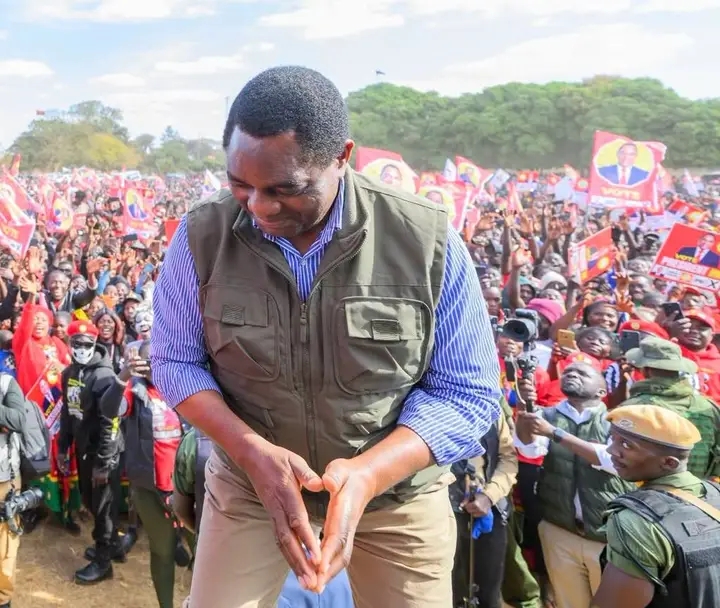
The 2021 elections marked a significant shift in political allegiance, as President Hakainde Hichilema secured votes not only from his traditional strongholds—Southern, North-Western and Western provinces—but also extended his appeal across the nation enabling him to win the elections.
Historically, these regions had predominantly supported him since 2006, often drawing criticism and accusations of ethnic-based voting from other regions.
However, Southerners, North-Westerners, and Westerners defended their choice, affirming that their support was anchored in perceived leadership excellence rather than ethnic loyalty.
Fast forward five years into his presidency, a sharp narrative change has emerged. President Hichilema is embodying negative traits such as dishonesty, tribalism, vindictiveness, hypocrisy, lawlessness, arrogance, un-Christian behavior, corruption, and undemocratic practices.
This perception raises important questions: Will his erstwhile strongholds continue to back a leader now widely contested on grounds of integrity and governance quality?
Or will voters prioritize principled leadership over regional allegiance?
If electorates in the Southern, North-Western, and Western provinces persist in supporting President Hichilema despite his failings, the vote risks reinforcing perceptions of ethnic or regional loyalty over quality leadership.
Conversely, an openness to embrace candidates who are portrayed as possessing virtuous leadership qualities free from the shortcomings attributed to President Hichilema—could signify a monumental shift towards issue-based voting, fostering a more inclusive and accountable political arena.
For democracy, this potential shift can carry profound implications. It can underline the maturation of political consciousness where citizens evaluate leaders on governance and character, transcending historic regional divides.
If voters in his strongholds look beyond tribal affiliations, this could catalyze a healthier democratic process, emphasizing quality leadership as the cornerstone of national progress.
Whether the Southern, North-Western, and Western electorate will prioritize genuine leadership attributes or continue entrenched voting patterns remains to be seen this coming August.
WILL TONGAS AND THEIR TRIBAL COUSINS STILL OVERWHELMINGLY VOTE FOR PRESIDENT HICHILEMA?
The 2021 elections marked a significant shift in political allegiance, as President Hakainde Hichilema secured votes not only from his traditional strongholds—Southern, North-Western and Western provinces—but also extended his appeal across the nation enabling him to win the elections.
Historically, these regions had predominantly supported him since 2006, often drawing criticism and accusations of ethnic-based voting from other regions.
However, Southerners, North-Westerners, and Westerners defended their choice, affirming that their support was anchored in perceived leadership excellence rather than ethnic loyalty.
Fast forward five years into his presidency, a sharp narrative change has emerged. President Hichilema is embodying negative traits such as dishonesty, tribalism, vindictiveness, hypocrisy, lawlessness, arrogance, un-Christian behavior, corruption, and undemocratic practices.
This perception raises important questions: Will his erstwhile strongholds continue to back a leader now widely contested on grounds of integrity and governance quality?
Or will voters prioritize principled leadership over regional allegiance?
If electorates in the Southern, North-Western, and Western provinces persist in supporting President Hichilema despite his failings, the vote risks reinforcing perceptions of ethnic or regional loyalty over quality leadership.
Conversely, an openness to embrace candidates who are portrayed as possessing virtuous leadership qualities free from the shortcomings attributed to President Hichilema—could signify a monumental shift towards issue-based voting, fostering a more inclusive and accountable political arena.
For democracy, this potential shift can carry profound implications. It can underline the maturation of political consciousness where citizens evaluate leaders on governance and character, transcending historic regional divides.
If voters in his strongholds look beyond tribal affiliations, this could catalyze a healthier democratic process, emphasizing quality leadership as the cornerstone of national progress.
Whether the Southern, North-Western, and Western electorate will prioritize genuine leadership attributes or continue entrenched voting patterns remains to be seen this coming August.