

“Xenophobia Stains South Africa, several de•ad”
…as Amb. Mukwita Urges Homegrown Strength
By Staff Reporter
South Africa is once again convulsed by xenophobic vio•lence, with at least 12 migrants kil•led, hundreds of immigrant-owned homes and slums torched, and thousands of foreign nationals repatriated as vigilante groups such as Operation Dudula and March on March enforce a chilling June 30 ultimatum.
The vio•lence, which has targeted migrants from Nigeria, Mozambique, Malawi, Zambia, Zimbabwe, Nigeria and Ghana, has prompted several governments to begin evacuating their citizens back home.
Protesters have used openly r•acist language, chanting “Mabahambe” (“They must go”), accusing foreigners of “stealing jobs” and “overwhelming hospitals,” while immigrant families have fled in fear.
President Cyril Ramaphosa has called for calm, declaring: “South Africa must never allow itself to be defined by hatred and division. We must embrace peace and coexistence.”
Yet many await the looming deadline with abated breath, uncertain whether the fragile appeals for peace will hold according to Amb Anthony Mukwita.
The vio•lence has already claimed the life of a Zambian truck driver, though details remain scant, underscoring the risks to regional commerce and cross-border trade.
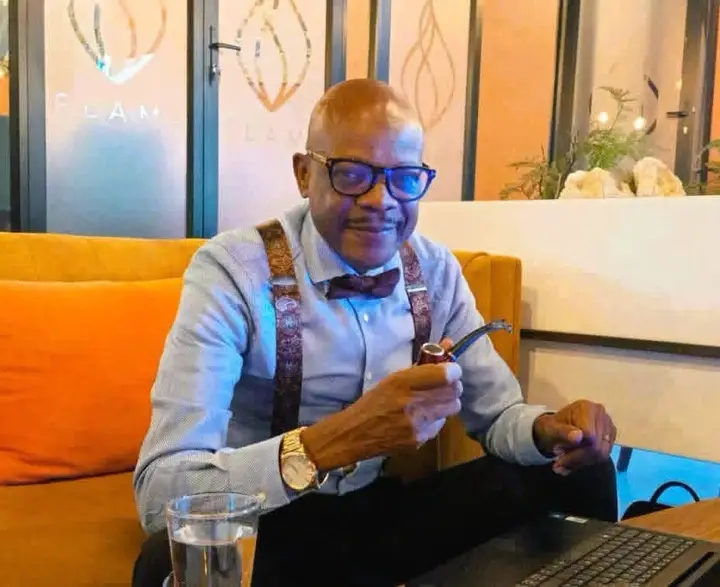
International Relations Analyst and Zambian author Ambassador Anthony Mukwita, speaking on Diamond TV Live, described the attacks as “unfathomable,” recalling how Zambia sacrificed heavily during apartheid, spending over $10 billion under President Kenneth Kaunda to repair damaged infrastructure and borrowing money co-fund projects like TAZARA so South Africa’s liberation movements could survive.
“At the end, home is where the heart is,” Mukwita said. “If we make our homes better, there will be no need to search for greener pastures.”
The geopolitical consequences are stark. Rising xenophobia threatens SADC solidarity, undermines Pan-African unity, and risks isolating South Africa from neighbours who once sheltered its liberation fighters.
Economically, the violence disrupts trade routes, deters investment, and deepens mistrust across borders. Diplomatically, it recalls the warning of Henry Kissinger that “jaw-jaw is better than war-war,” a reminder that dialogue must prevail over violence.
History offers a grim precedent: in 2008, xenophobic riots killed 62 people and displaced more than 150,000, a humanitarian disaster that scarred South Africa’s reputation.
Today’s resurgence threatens to repeat that tragedy, with slums burned, families uprooted, and economies strained
As the June 30 deadline approaches, the world watches anxiously, hoping South Africa chooses reconciliation over division.
This crisis is more than a domestic upheaval; it is a continental wake-up call. As Mukwita insists, African nations must strengthen their own economies to reduce dependence on precarious jobs abroad.
“If we improve our economies, our people won’t go to beg for low paying jobs cleaning toilets and malls in South Africa. Its time for our leadership to act and protect our people through successful local economies, we can’t all go to South Africa and face humiliation of this magnitude,” said Amb Mukwita.
Failure to act risks not only further bloodshed but also the erosion of the very ideals of unity and solidarity that once defined Africa’s struggle against apartheid said Anthony Mukwita
Source: Diamond TV