

By Joseph Kamanga
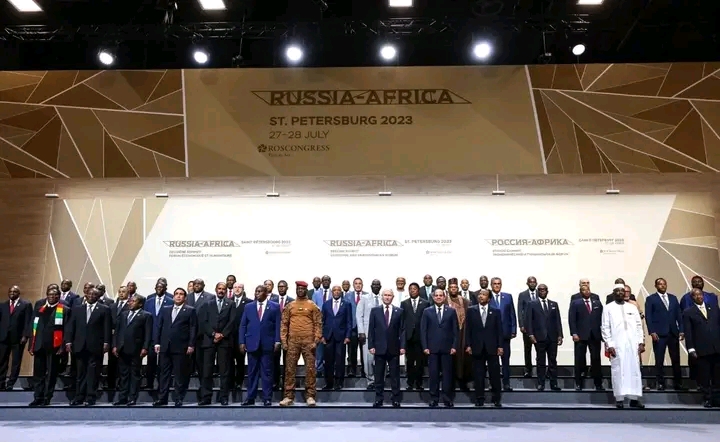
As the Third Russia-Africa Summit opens in Moscow, Zambia will be looking to strengthen its ties with Russia, attract investment and explore opportunities in several sectors of the economy.
But beyond the agreements and diplomatic discussions, there are questions about what the country stands to gain from the meeting and whether outstanding issues involving Zambians living in Russia will receive attention.
Foreign Affairs and International Cooperation Minister Mulambo Haimbe is representing President Hakainde Hichilema at the summit and is expected to deliver a statement on his behalf.
The Ministry of Foreign Affairs confirmed Haimbe’s participation to Zambia Reports following an earlier inquiry. It has since released a statement outlining Zambia’s agenda.
According to the Ministry, the country is seeking investment in industrial development, infrastructure, value addition and technology transfer as part of the Grow Zambia Agenda.
Agriculture, energy, education and security are among the other subjects expected to feature during the talks.
Haimbe is also scheduled to attend the Russia-Africa Economic and Humanitarian Forum, which will look at economic cooperation, media relations, technological innovation and youth engagement.
Zambia’s relationship with Russia goes back decades, and the two countries have previously explored cooperation in several fields.
In 2016, they began discussions on the peaceful use of nuclear energy, an area that has remained part of their bilateral relationship.
With another summit now taking place, it remains to be seen whether earlier agreements will receive fresh attention and what progress Zambia can expect from the discussions.
The meeting is also being held while Russia remains at war with Ukraine.
The conflict has affected Moscow’s relations with several countries, but Russia has continued seeking closer political and economic partnerships with African states.
Zambia says it will use the summit to promote dialogue, peaceful settlement of conflicts and an end to hostilities.
Meanwhile, governance commentator Brebner Changala believes Zambians should be kept informed about what their leaders hope to achieve whenever they undertake international assignments.
Speaking to Zambia Reports, Changala recalled how former President Kenneth Kaunda would address journalists before leaving the country, explaining where he was going, whom he intended to meet and the purpose of the visit.
According to Changala, Kaunda would hold another briefing upon his return to explain what had been discussed and what Zambia stood to benefit.
He argued that this kind of accountability should be encouraged among today’s leaders.
Changala said citizens should not have to speculate about government engagements abroad when those trips are undertaken on behalf of the country.
Although the Ministry has now made Zambia’s agenda public, his remarks raise another issue: how much information will Zambians receive about the outcome of the Moscow meetings?
Away from trade and investment, another matter worth following is the welfare of Zambian nationals in Russia.
The Ministry has confirmed that Haimbe will hold engagements concerning Zambians living in the country but has not specified which issues will be discussed.
This comes at a time when the circumstances surrounding the reported deaths of two Zambians in the Russia-Ukraine war remain unclear.
Joe Mwape, 27, and Chongo Choma, 30, are among foreign nationals listed in a database documenting reported deaths in the conflict.
The records indicate that Choma died on October 31, 2024, while Mwape’s death was recorded on December 5, 2025.
How the two men ended up involved in the fighting has not been independently established.
Information gathered around Choma’s case suggests he had previously been connected to student circles in Russia before his reported involvement in the war.
There have been international investigations into the recruitment of foreign nationals into Russia’s military, with some reports describing financial incentives, promises of employment, and allegations of coercion.
However, there is no verified evidence showing that Mwape or Choma entered military service through any of those arrangements.
Their cases have nevertheless raised questions about the safety of Zambians who travel abroad for education, employment, and other opportunities.
With the Ministry indicating that the welfare of Zambians in Russia will be discussed, one issue is whether the government will also seek information about what happened to Mwape and Choma.
Could those discussions help establish the circumstances surrounding their deaths? And might they lead to stronger measures to protect other Zambians from deceptive recruitment or exploitation abroad?
The Ministry has not indicated whether the two cases are part of Haimbe’s agenda.
For the families involved, answers about how their relatives became caught up in the conflict would be an important development.
The summit also provides Zambia with an opportunity to revisit its existing agreements with Russia and explore new areas of cooperation.
However, the success of the visit will be easier to assess once the government explains what was discussed, which commitments were made, and what steps will follow.
For now, Zambia has outlined what it hopes to achieve in Moscow.
What remains to be seen is whether the engagements will produce tangible benefits for the country and, just as importantly, whether they will bring answers to some of the concerns affecting Zambians living abroad.
– 2026 Zambia Reports.