

ZIM PROPHET’S FACEBOOK PREDICTION ON JACINTA IGNITES SOUTH AFRICAN OUTRAGE
By Gabriel Manyati
The words were stark, chilling and unmistakable.
On 17 July 2026, Zimbabwean prophet Dr Obey Tichafa Mukanhairi took to Facebook and wrote: “If Jacinta doesn’t reform and lives up to next year Nov, ban me from RSA, close my churches, close my bank accounts, burn my house in RSA and burn my colleges. I see street gunshots, three in the chest, one on the forehead. May God punish me if it is my word.”
The post, which appeared on his official page, spread like wildfire across South African social media. Screenshots were shared on X, TikTok and Facebook, sparking outrage and fear. For many, the graphic detail of “three in the chest, one on the forehead” was not prophecy but incitement.
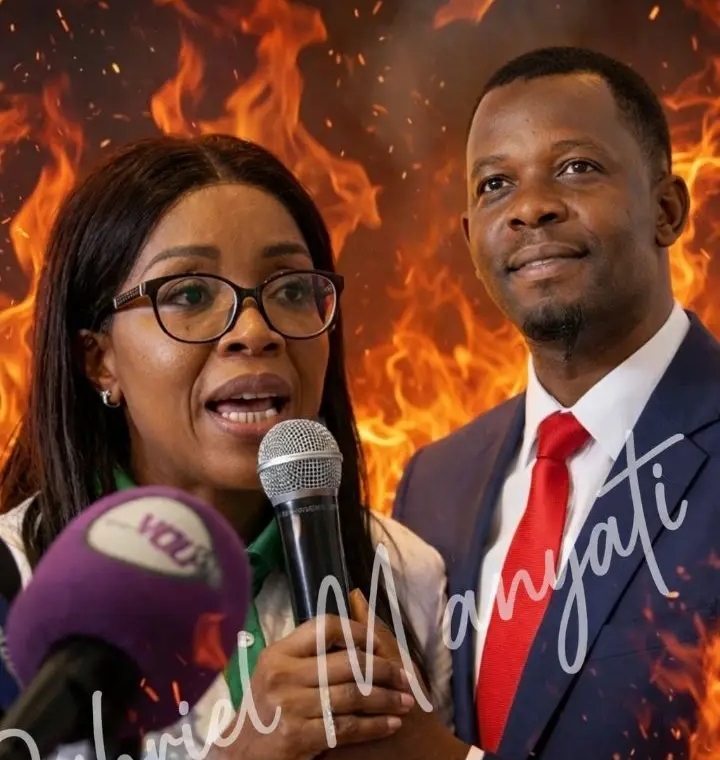
Within hours, activists, politicians and ordinary citizens were demanding police action against the prophet, accusing him of threatening the life of Jacinta Ngobese-Zuma, the controversial leader of March and March, a civic movement that campaigns against illegal immigration.
Jacinta is no stranger to controversy. A polarising figure, she has organised more than two dozen marches across South Africa, drawing large crowds of supporters who see her as a defender of sovereignty. Critics, however, accuse her of stoking xenophobia and inflaming tensions in communities already fractured by unemployment and crime.
Her activism has made her a target of hostility, particularly from illegal mining groups known as zama zamas. Against this backdrop, Mukanhairi’s prophecy landed like a match in dry grass.The backlash was immediate.
Destiny Ndlovu, a prominent activist, wrote on X: “Jacinta needs to tighten up her security. This is not prophecy but a threat.” Another user, Joy-Zelda, declared: “This Zimbabwean is threatening to send hitmen for Jacinta Ngobese-Zuma. If anything happens to her, this guy is responsible.”
The March and March movement issued a statement condemning the prophecy: “We condemn in the strongest possible terms the irresponsible and dangerous statements made by the so-called prophet. Such utterances are not prophecy but incitement, and they place the life of our leader at risk.”
Authorities have yet to confirm whether a criminal complaint has been opened, but activists are pressing for investigation. Legal experts note that South African law criminalises incitement and intimidation.
Professor Pierre de Vos has explained that freedom of religion does not protect speech that encourages violence. If prosecutors deem Mukanhairi’s prophecy a threat, he could face charges under the Intimidation Act or the Criminal Law Amendment Act. Yet proving intent remains complex: was it a spiritual vision or a call to action?
Mukanhairi, also known as Prophet Mellontik Orasi, is no stranger to controversy. He has built a following by predicting celebrity deaths and tragedies, often posting dramatic warnings on Facebook. His prophecies have included some of Southern Africa’s most famous names.
Months before rapper AKA’s murder in Durban in February 2023, Mukanhairi wrote: “South African artist AKA must seek God. I see danger around him. He should contact me.” Supporters later claimed this was a warning of his assassination. Critics argued it was vague and unverifiable.
AKA himself dismissed prophecies. In 2022, he tweeted: “I don’t believe in prophets. I believe in hard work and God’s plan.” Intermediaries reportedly tried to warn him, but he brushed off the claims. After his murder, supporters circulated Mukanhairi’s posts as proof of foresight, while sceptics argued the warnings were too general to count as genuine prophecy.
The debate continues to this day, with believers insisting the prophet foresaw the tragedy and critics accusing him of opportunism. Mukanhairi also claimed to foresee the collapse of amapiano star Costa Titch on stage in 2023, the illness of singer Zahara before her death, and the fiery car crash that killed Zimbabwean socialite Ginimbi in 2020.
He has said he foresaw the passing of legendary musician Oliver Mtukudzi in 2019. Believers see these as evidence of divine insight. Sceptics dismiss them as vague predictions retrofitted after events.
In the wake of the backlash over his Jacinta prophecy, Mukanhairi has doubled down rather than retreating. Last night, he posted another statement to Facebook, writing: “It is very foolish and stupidly to think that because I prophesied of people intending to kill Jacinta that I am planning a hit on her for what benefit, I don’t stay in RSA and iam not a politician she has woven many enemies and if she doesn’t pray and believe in social media noise makers she will get killed, You can argue a thousand times but she must stop congrontentional politics, Seek Jesus Christ and live (sic).”
The controversy surrounding Ngobese-Zuma has reignited debate about the role of prophets in Southern Africa. Social media has amplified their reach, allowing dramatic predictions to spread instantly to millions. Death prophecies, in particular, generate enormous attention.
Dr Joram Nyathi, a Zimbabwean theologian, warns: “Prophets wield enormous influence. But when they predict violent deaths, they risk emboldening attackers or traumatising communities.”
For Ngobese-Zuma, the stakes are high. She has vowed: “We will not be intimidated. We remain committed to our mission and will continue our work without fear.” Yet the threat implicit in Mukanhairi’s words has unsettled her supporters, who fear that prophecy could become a pretext for violence.
The case raises profound questions about freedom of religion and freedom of expression. Can a prophecy that describes a violent death be protected speech, or does it cross into incitement? Should prophets be held legally accountable for their words, or does that risk criminalising faith?
These are not abstract questions in a country where political violence and xenophobic attacks remain real dangers. What happens next will depend on whether South African authorities act. For now, the prophet’s words hang in the air, a chilling reminder of the power of social media prophecy and the fragile line between spiritual vision and threat.