

Is Trump’s Hormuz Blockade Illegal Under International Law?
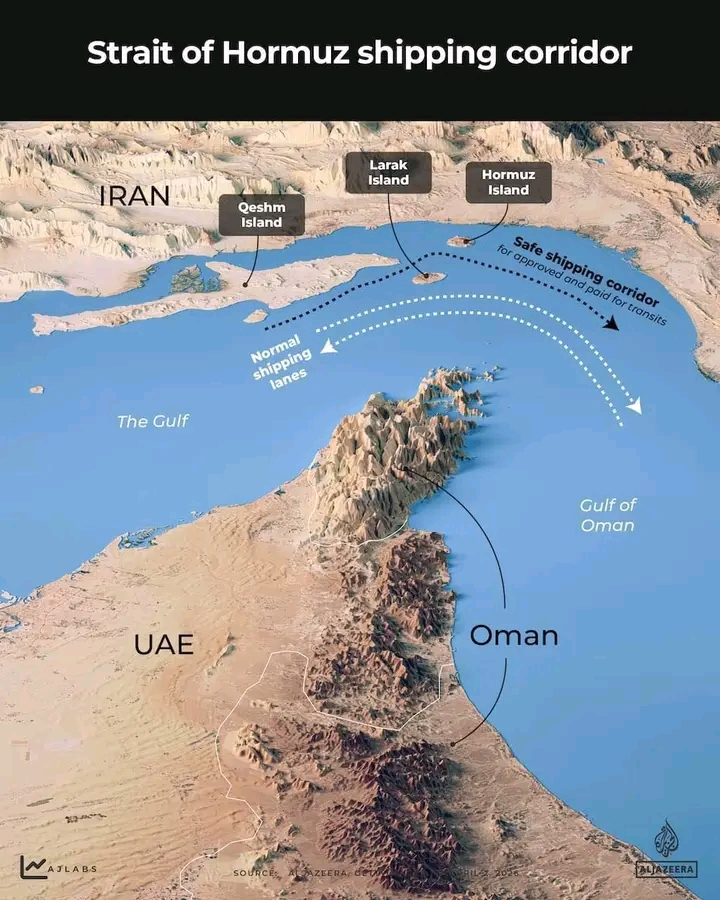
The U.S. move to enforce a naval blockade targeting vessels linked to Iranian ports in the Strait of Hormuz is facing serious legal scrutiny, with analysts warning it may violate international law if it restricts global shipping access.
Under the 1982 UN Convention on the Law of the Sea (UNCLOS), the Strait of Hormuz is classified under “transit passage,” guaranteeing all nations the right to pass freely without obstruction a principle widely recognized as customary international law.
Experts argue that any attempt to halt all maritime traffic would be “clearly unlawful,” as it would impact not just Iran, but global energy flows and third-party nations dependent on the route.
However, the U.S. appears to be framing its actions as a “selective blockade,” targeting only vessels connected to Iran, while allowing general navigation to continue — a legal gray zone aimed at maintaining pressure without fully breaching global maritime rules.
Still, the move is widely seen as a major escalation, with the declaration of a blockade often interpreted as an act of war, raising tensions and increasing the risk of broader conflict in one of the world’s most critical waterways.