

🇿🇲 BRIEFING | Mundubile Courts Women’s Movement as NGOCC Steps Deeper into Political Space
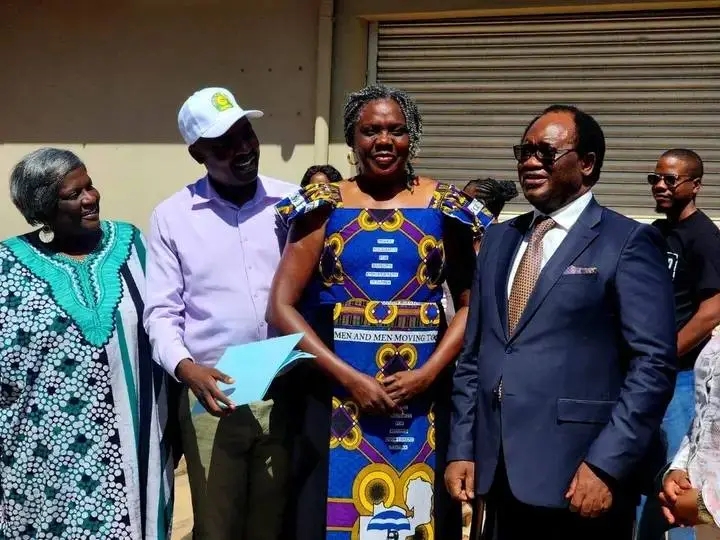
Tonse Alliance President Brian Mundubile has engaged a high-level delegation from the NGOCC, signalling a growing convergence between opposition politics and organised women’s advocacy ahead of the August elections.
Speaking after the meeting, Mundubile positioned gender inclusion as central to his political message. “As Tonse Alliance, we remain resolute… women must take their rightful place at the decision-making table. Inclusive leadership is not optional,” he said, framing the engagement as part of a broader governance agenda rather than a routine courtesy call.
The delegation was led by Beauty Kalebe, whose visibility has been rising within national discourse, particularly following her organisation’s high-profile opposition to Bill 7 last year. That campaign, while ultimately unsuccessful, placed NGOCC at the centre of constitutional debate and elevated its leadership into a more politically consequential space.
The meeting brought together representatives from key women’s organisations, including ZNADWO, ZNWL, and IWA, reflecting a coordinated civil society presence that continues to shape conversations on representation and electoral participation. Their engagement with a major opposition alliance suggests a deliberate effort to influence political actors directly as candidate selection processes intensify.
Mundubile was joined by senior Tonse figures, including Hon. Chungu Bwalya and Hon. Maureen Mabonga, an indication that the outreach carries internal weight within the alliance. With adoption battles looming across parties, such engagements are increasingly tied to how political formations position themselves on inclusivity.
Zambia’s record on women’s representation remains uneven. Despite sustained advocacy, female participation in Parliament and executive leadership continues to lag behind regional expectations.
This gap has made gender inclusion a recurring campaign issue, though often with limited follow-through after elections.
The significance of this meeting lies less in the statements and more in timing. Civil society actors are moving closer to political centres of power, while opposition alliances seek legitimacy and broader appeal.
Whether this translates into actual adoption of women candidates or remains within the realm of political messaging will become clearer as party lists take shape.
© The People’s Brief | Chileshe Sengwe