


Hon Sunday Chanda – Kanchibiya MP
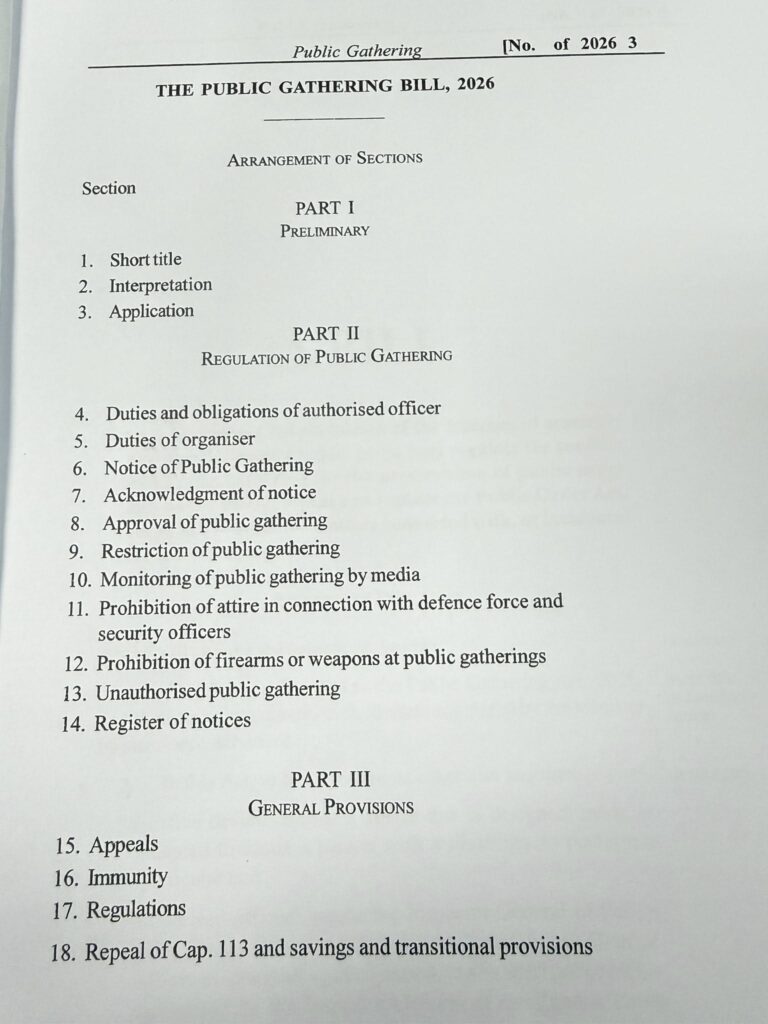
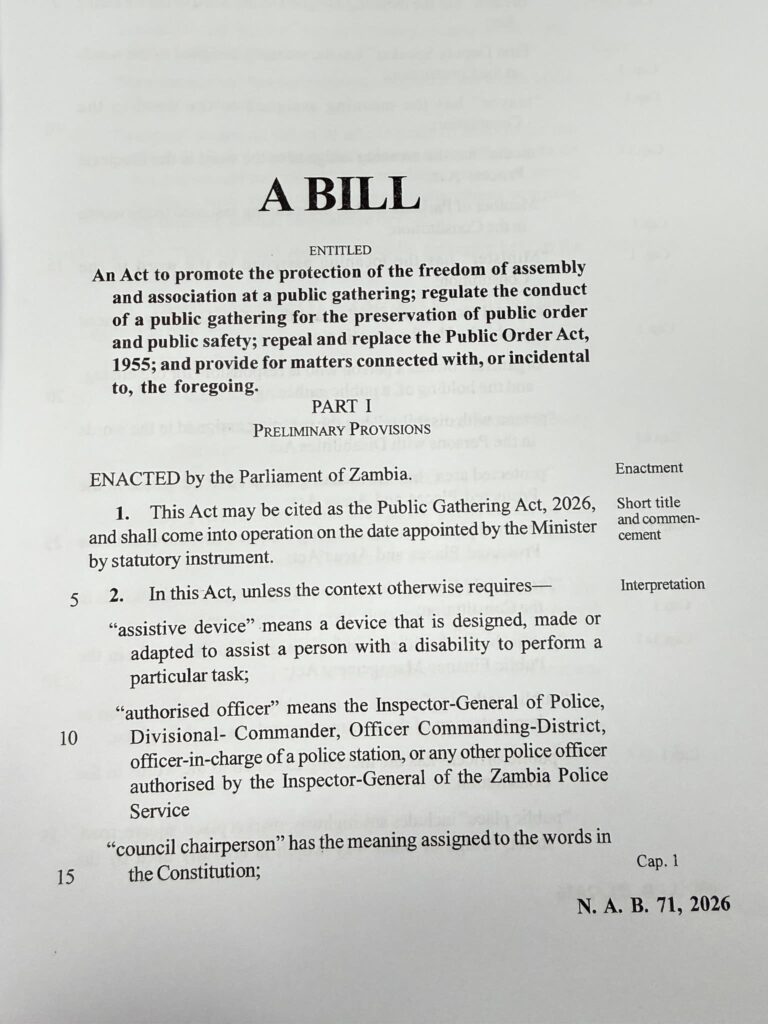
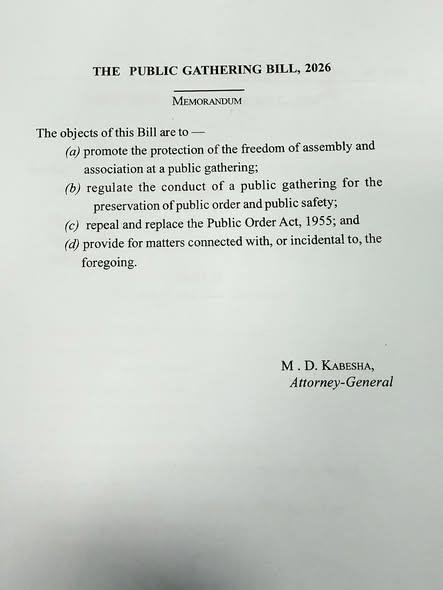
PUBLIC GATHERING BILL, 2026 TO REPEAL AND REPLACE THE PUBLIC ORDER ACT OF 1955
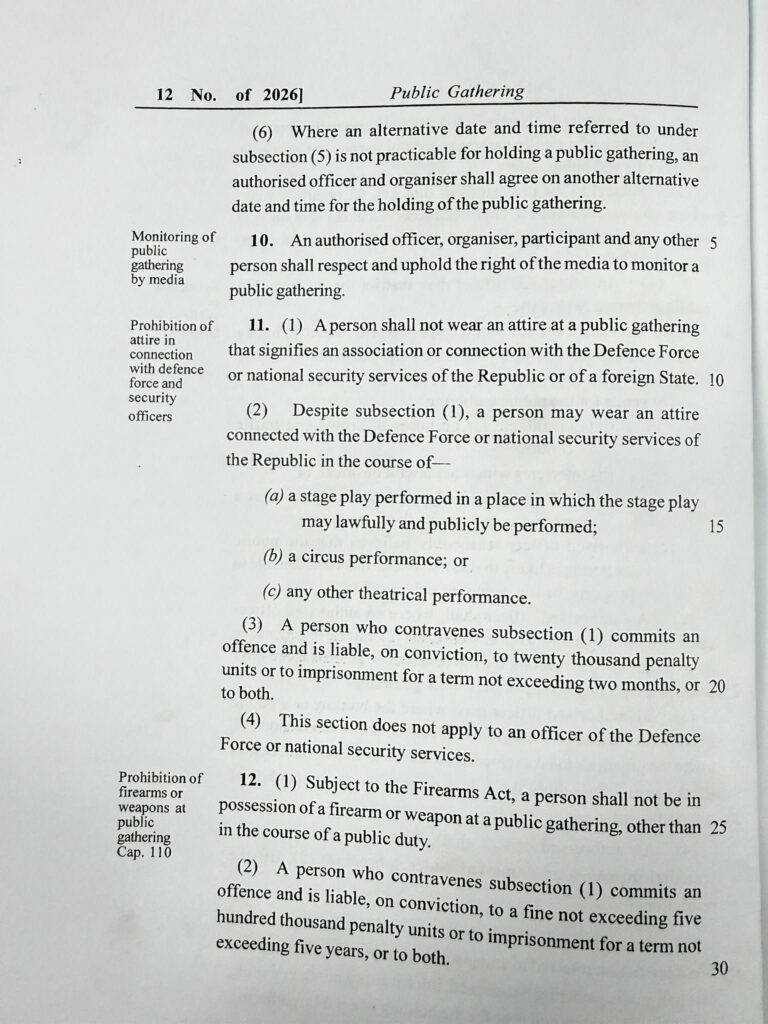
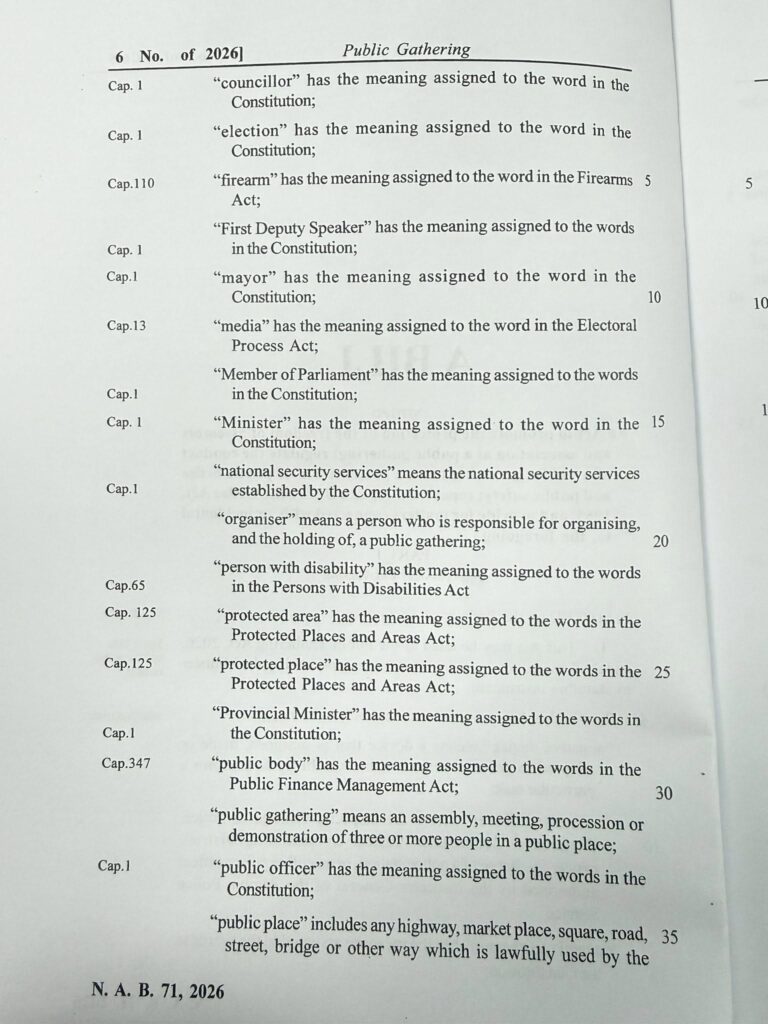
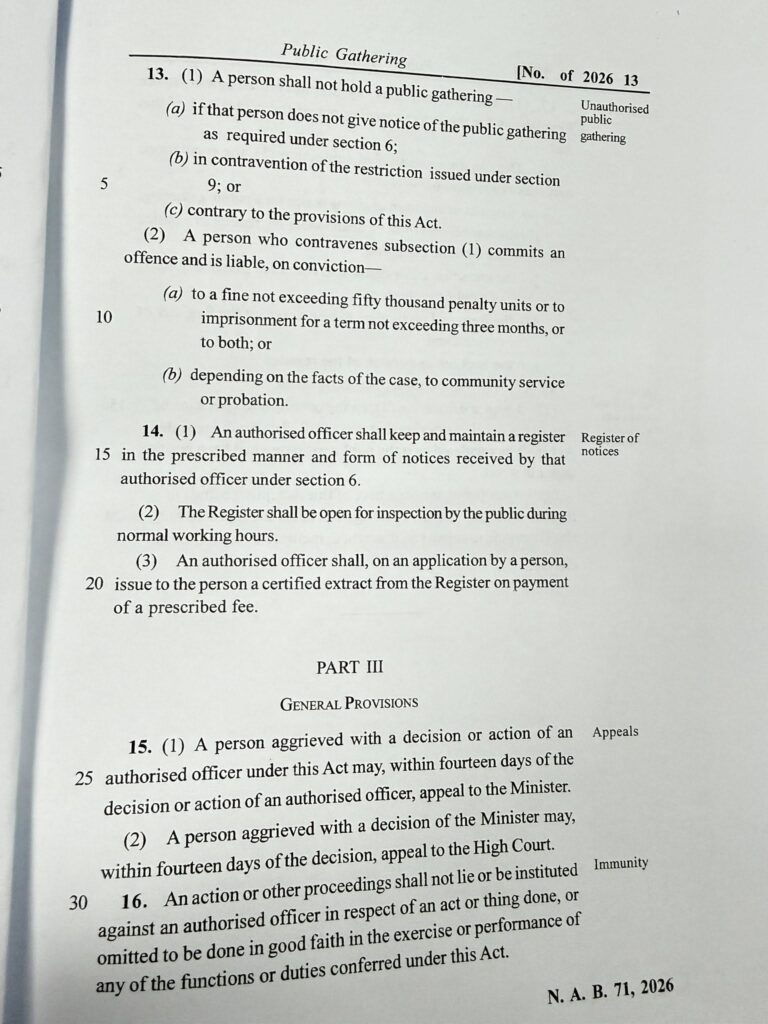
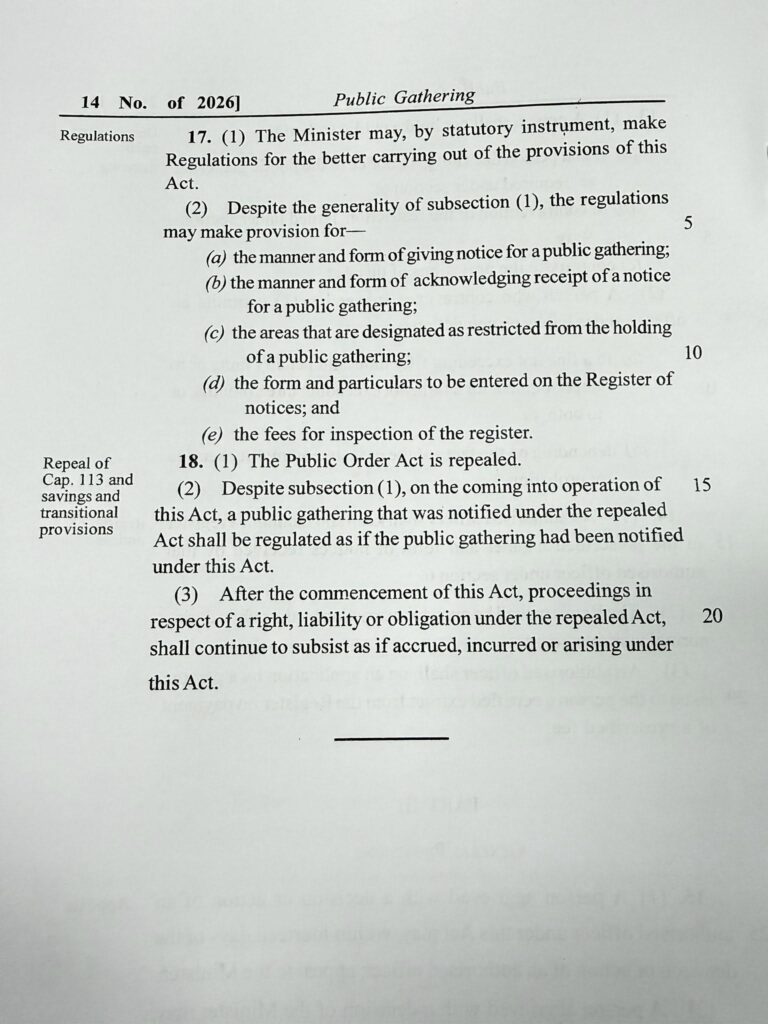
The proposed Public Gathering Bill, 2026 marks a significant legislative shift in Zambia’s governance of assemblies, particularly as it seeks to repeal and replace the long-standing Public Order Act, a statute rooted in colonial administration and often criticised for its restrictive approach to civil liberties.
At its core, the Bill signals an attempt to realign the regulation of public gatherings with the values embedded in the Constitution, especially the protection of freedom of assembly and association. This is a welcome and necessary step in a democratic society, where the ability of citizens to organise, protest, and express collective views is fundamental.
However, the real test of this Bill lies not in its stated objectives, but in its substantive provisions and implementation framework.
On one hand, the Bill aims to promote and protect fundamental freedoms, a progressive objective that reflects modern constitutional democracies.
On the other hand, it also seeks to regulate public gatherings in the interest of public order and safety, which is equally legitimate. The legal tension, therefore, is how to balance these two competing interests without undermining either.
A key issue stakeholders are interrogating is whether the Bill:
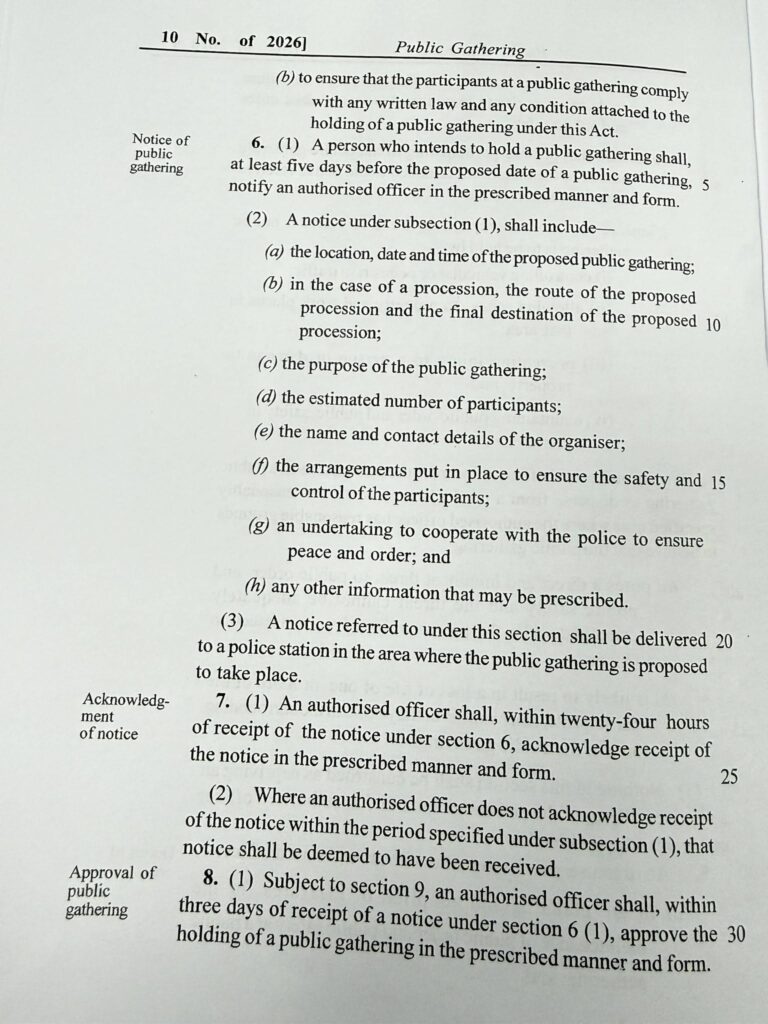
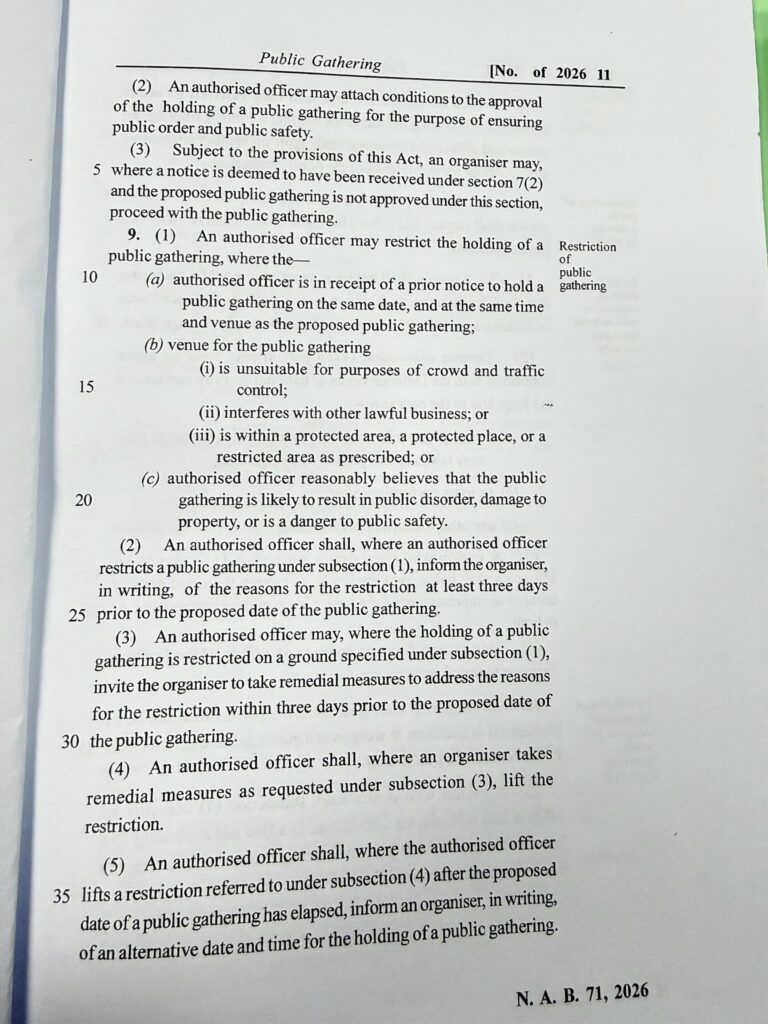
- Moves away from the “permission-based” regime historically associated with the Public Order Act, towards a more rights-based notification system;
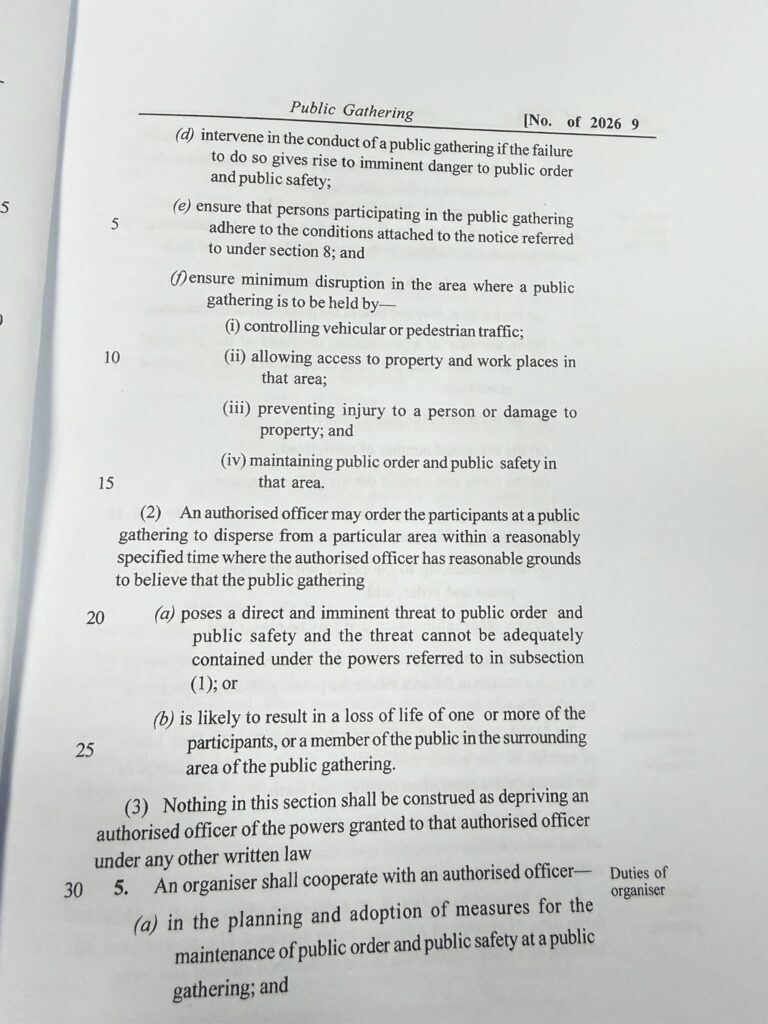
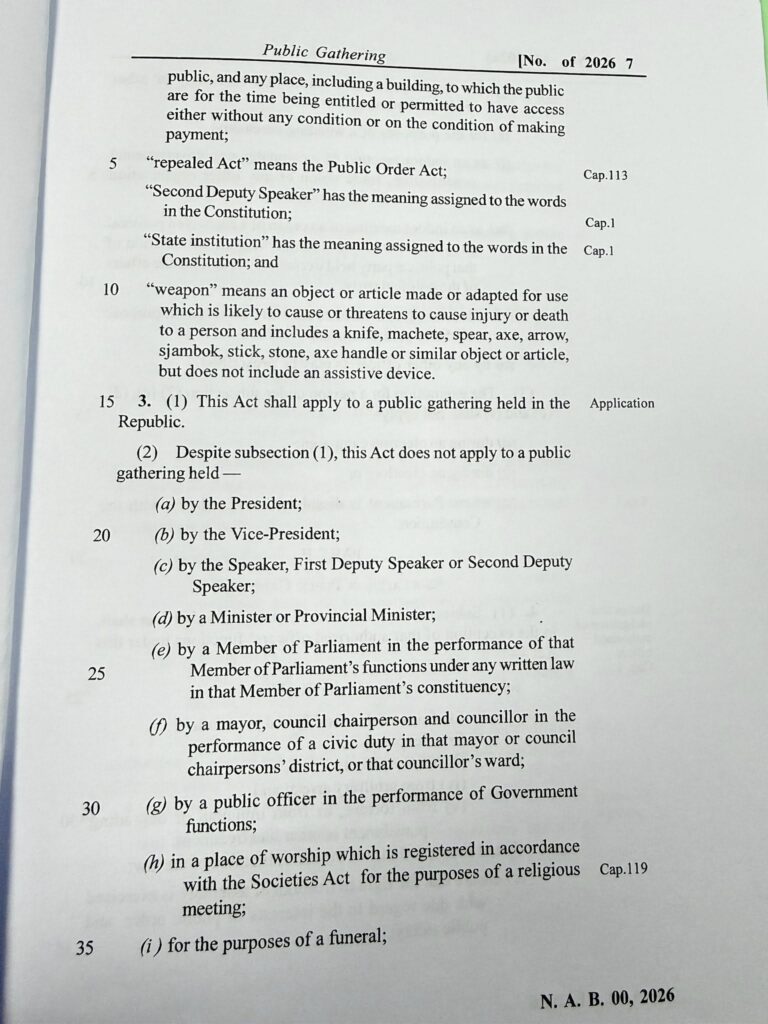
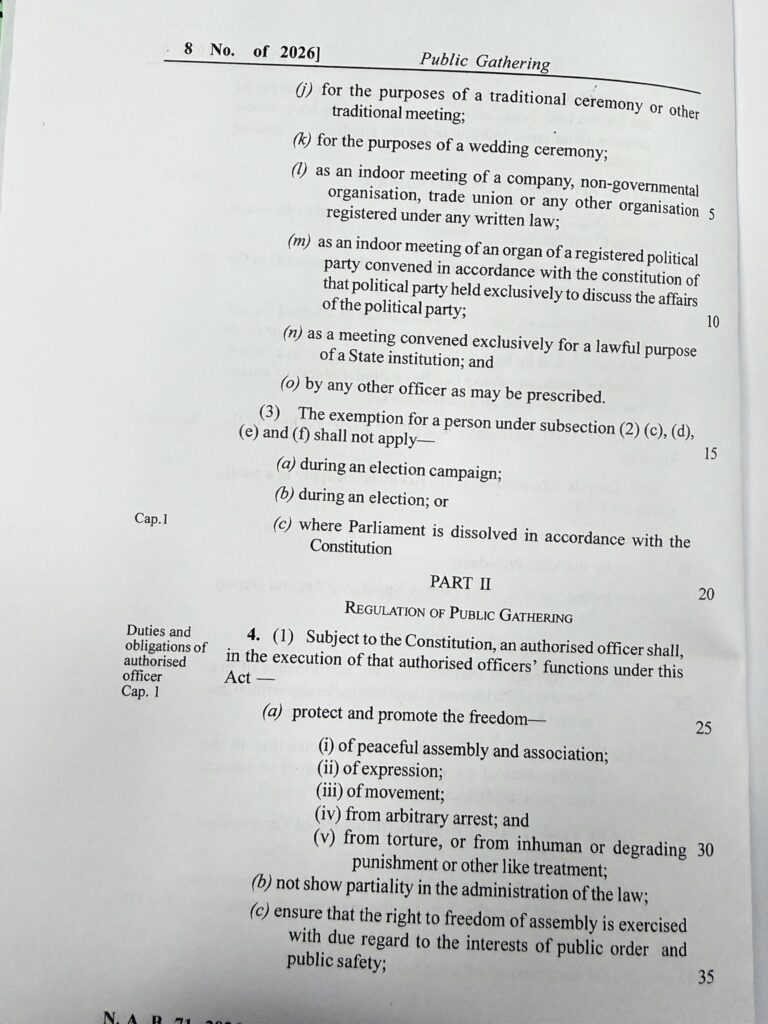
- Clearly defines the scope of police powers, ensuring they are exercised reasonably, proportionately, and subject to accountability;
- Provides safeguards against arbitrary denial or disruption of lawful assemblies;
- Establishes mechanisms for remedy and redress where rights are violated.
The inclusion of provisions that merely replicate the restrictive features of the repealed law, under a different title, would defeat the very purpose of reform. Legislative change must go beyond form and address substance.
As Parliament continues to receive submissions up to Thursday this week, this moment presents an opportunity to craft a law that not only maintains public order but also deepens Zambia’s democratic culture. Comparative best practices from jurisdictions that have successfully balanced security and civil liberties should inform this process.
Ultimately, the Public Gathering Bill, 2026 should stand as a progressive legal instrument, one that protects citizens, guides law enforcement, and affirms Zambia’s commitment to constitutionalism, human rights, and participatory governance.
The citizens must remain engaged even as move to do away with laws that regulate the people in the matter the Public Order Act of 1955 did.
In short – make your submissions even as members of the public.
You are illegally squatting in Parliament.
You have crossed the floor. You shouldn’t be part of the Deliberations in our National Assembly.