

Africa’s 41 Currencies Still Blocking Continental Trade Growth
Africa’s fragmented financial system is increasingly being blamed for slowing down economic integration and limiting the continent’s ability to build wealth internally.
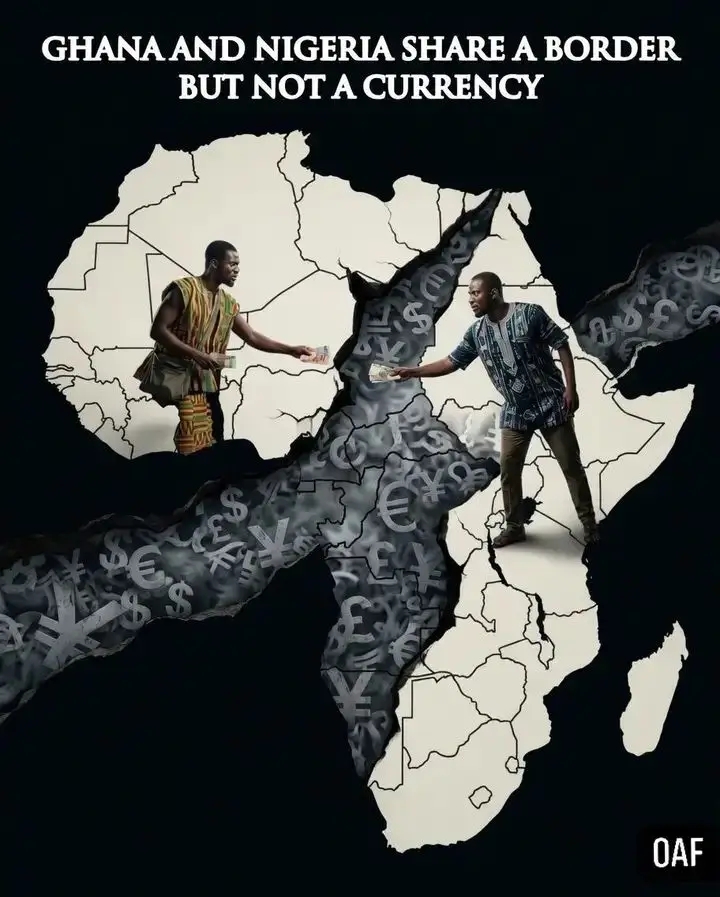
With more than 40 different currencies in circulation across the continent, African businesses often face costly barriers when trading with neighboring countries. In many cases, transactions between African nations must first pass through foreign currencies such as the US dollar or euro, forcing traders to rely on overseas banks and international clearing systems.
Economic analysts say this arrangement continues to drain value from African economies while increasing the cost of doing business within the continent.
According to recent trade reports linked to the African Continental Free Trade Area (AfCFTA), intra-African trade remains at roughly 15% of the continent’s total trade volume, far below Europe’s internal trade level of over 60% and Asia’s nearly 58%.
ExportFocus Africa +2
Experts argue that despite the launch of AfCFTA, Africa’s economic potential cannot be fully realized without deeper financial integration, improved payment systems, and stronger regional infrastructure.
The AfCFTA, which officially began trading in 2021, aims to create the world’s largest free trade area by number of participating countries, connecting more than 1.4 billion people across the continent. Economists believe successful implementation could significantly boost industrialization, job creation, and regional manufacturing.
All Business Africa +2
One of the major challenges remains cross-border payments. Businesses trading across African borders still face delays, conversion losses, and expensive transaction fees because many African currencies are not directly exchangeable with one another.
To address this, initiatives such as the Pan-African Payment and Settlement System (PAPSS) have been introduced to allow African countries to settle payments using local currencies rather than relying heavily on foreign exchange systems.
Ecofin Agency +1
Supporters of African economic integration argue that the continent’s colonial-era trade structures continue to shape modern financial systems, with many economies still exporting raw materials outward while importing finished products at higher costs.
However, economists caution that removing trade barriers alone will not solve the problem. Infrastructure gaps, inconsistent regulations, border delays, and weak industrial capacity remain major obstacles to continental trade expansion.
Business Tech Africa +1
As AfCFTA implementation accelerates, many analysts believe Africa’s future economic strength will depend on how effectively the continent can trade with itself, finance itself, and reduce dependence on external financial systems.