

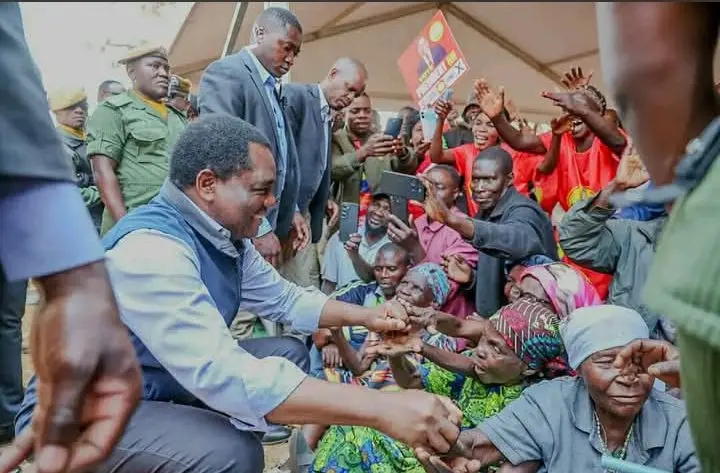
The Biggest Opposition to President Hakainde Hichilema May Be Voter Apathy, Not the Opposition Parties
By Golden Mapulanga-political communication governance consultant
As Zambia approaches the 2026 General Elections, much attention has been placed on the strength or weakness of opposition political parties. However, from a political communication and electoral mobilisation perspective, the greatest challenge facing President Hakainde Hichilema and the UPND may not necessarily be the opposition parties themselves. It may well be voter apathy.
History has shown that voter turnout has been a decisive factor in many Zambian elections. Since 1996, voter apathy has repeatedly influenced electoral outcomes, with many eligible voters choosing not to cast their ballots for various reasons, including complacency, dissatisfaction, logistical challenges, or the belief that their vote will not make a difference.
The current political environment presents a unique situation. While many analysts believe that President Hakainde Hichilema remains politically competitive, there are indications that a number of his supporters appear relaxed and increasingly confident of victory. Such confidence, if not carefully managed, can unintentionally discourage voter participation.
In competitive elections, victory is not determined by opinion polls, social media discussions, or campaign rallies alone. It is ultimately determined by those who actually turn up to vote on polling day.
In many of Zambia’s former MMD and PF strongholds, the votes cast are likely to be shared among different candidates and parties. This means that relatively small differences in turnout could significantly affect results. At the same time, reduced turnout in traditional UPND strongholds could narrow expected margins and make contests more competitive than anticipated.
For this reason, the UPND leadership and its campaign structures may wish to place equal emphasis on voter mobilisation as they do on persuasion. Mobilising existing supporters to vote is often just as important as convincing undecided voters.
One lesson from Zambia’s electoral history is that previous governing parties invested heavily in grassroots organisation. During its years in office, the former MMD maintained active local structures, supported volunteers, coordinated campaign teams, and sustained regular engagement with supporters. Such efforts helped maintain enthusiasm and improve turnout.
Every political party is, of course, responsible for ensuring that any campaign activities comply with Zambia’s electoral laws and regulations. Within those legal and ethical boundaries, strengthening grassroots organisation, maintaining regular communication with supporters, and encouraging citizens to exercise their democratic right to vote can help reduce voter apathy.
Ultimately, elections are won not only through popularity but also through effective organisation and voter participation. Every eligible citizen should be encouraged to vote peacefully, freely, and according to their own conscience.
As polling day approaches, one message deserves emphasis:
The greatest risk for any political party is not assuming the opponent is strong—it is assuming that supporters will automatically turn out to vote.
Democracy is strongest when citizens participate.
Your Honourable Diplomat 🙏