

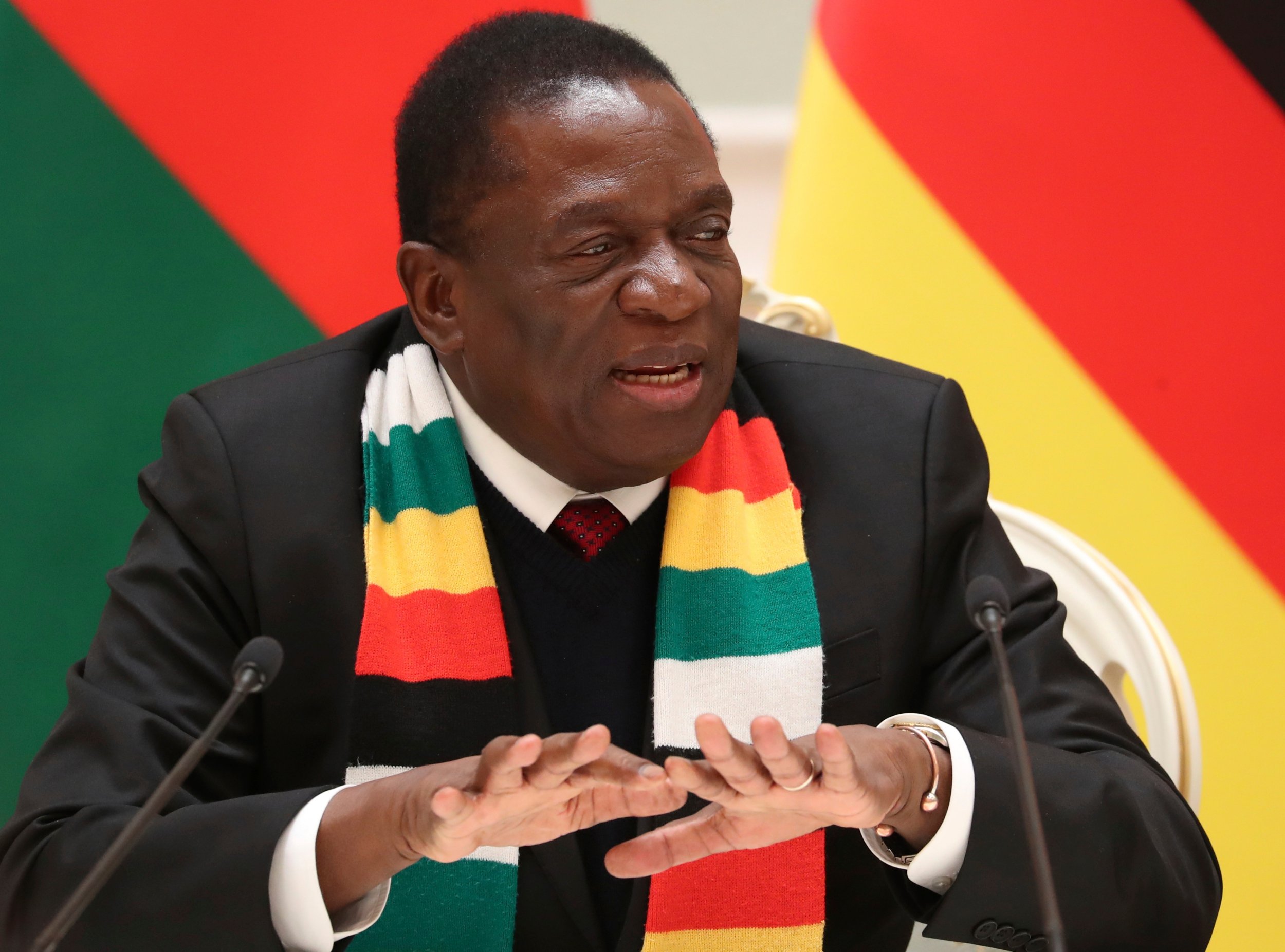
A tense Cabinet meeting last Tuesday reportedly descended into open confrontation after Vice President Constantino Chiwenga angrily interrupted Attorney-General Virginia Mabhiza during deliberations on the proposed Constitution of Zimbabwe Amendment (No. 3) Bill, 2026.
According to sources briefed on the meeting, Chiwenga cut in as Mabhiza outlined the legal framework of the sweeping constitutional changes, which include extending President Emmerson Mnangagwa’s final term from 2028 to 2030 and replacing direct presidential elections with a system where Members of Parliament elect the head of state.
Mabhiza reportedly cited South Africa and Botswana as comparative models – a reference that triggered Chiwenga’s outburst. Witnesses say he objected strongly to any comparison with South Africa, arguing it should not be mentioned alongside liberation movements that fought for independence. The mood in the room shifted immediately.
President Mnangagwa is said to have intervened, cautioning Chiwenga over both the interruption and his remarks. At one point, Mnangagwa reportedly snapped, “I’m the president!” as Chiwenga insisted on finishing prepared notes he had brought to the meeting.
Justice Minister Ziyambi Ziyambi had presented the amendment proposals before ministers were invited to contribute. Local Government Minister Daniel Garwe reportedly spoke in support, along with Energy Minister July Moyo, Primary and Secondary Education Minister Torerayi Moyo, Home Affairs Minister Kazembe Kazembe and ICT Minister Tatenda Matevera, though Matevera objected to the proposed abolition of the Gender Commission. Finance Minister Mthuli Ncube reportedly sought to speak but was not recognised.
Chiwenga and Sports Minister Anselem Sanyatwe – the recently retired army commander – were said to be the only ministers who forcefully opposed key aspects of the bill. Their objections centred particularly on amending section 92 to remove direct presidential elections, a change Chiwenga allegedly warned would undermine the “one man, one vote” principle rooted in the liberation struggle.
Sources say Chiwenga fears that shifting the vote to Parliament could weaken the authority of the party leader and open succession politics to manipulation by powerful internal factions.
Defence Minister Oppah Muchinguri-Kashiri reportedly challenged both Chiwenga and Sanyatwe during the exchanges, disputing their claims to superior liberation credentials.
Beyond extending presidential terms from five to seven years, the amendment bill proposes aligning the electoral calendar with the longer tenure, restructuring succession mechanisms and abolishing the Gender Commission and the Peace and Reconciliation Commission. Critics argue the changes would significantly alter the balance between voters, Parliament and the executive.
Speaker of Parliament Jacob Mudenda is expected to table the bill soon, triggering a mandatory 90-day public consultation period before lawmakers vote. With Zanu PF holding a two-thirds majority, passage is widely anticipated if party discipline holds, though legal experts say the breadth of the changes could require a national referendum.
Constitutional scholar Lovemore Madhuku has argued that altering the method of electing a president strikes at the core structure of the 2013 Constitution. Advocate Thabani Mpofu has similarly questioned whether Parliament’s amendment powers extend to transforming a five-year electoral mandate into seven years.
The explosive Cabinet exchanges suggest that despite its parliamentary dominance, the ruling party remains divided over how Zimbabwe’s constitutional future — and eventual succession politics — should unfold.
Source – zimlive