

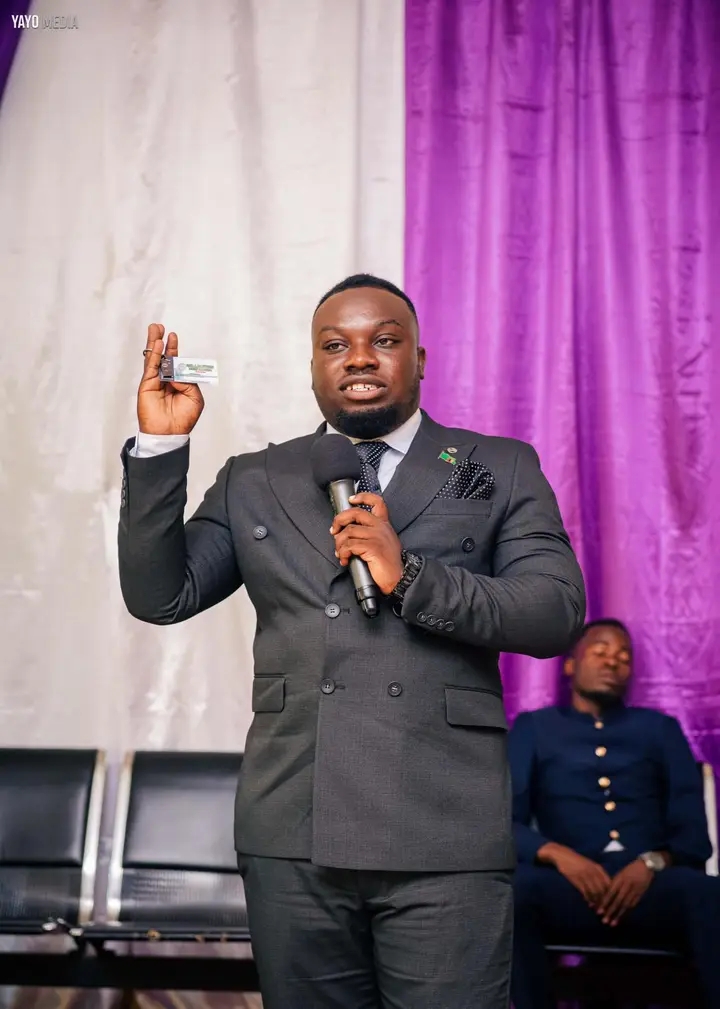
Economist Peter Chabu Rebuts Makebi Zulu’s Claims on Zambia’s International Reserves
Economist Peter Chabu has challenged remarks by National Revolution Party United Party (NRPUP) Vice President Hon. Makebi Zulu, who recently claimed that Zambia does not have international reserves, describing the statement as inaccurate and inconsistent with available economic data.
In a detailed response, Mr Chabu said Zambia’s international reserves currently stand at approximately US$6.5 billion, according to figures reported by the Bank of Zambia and recognized under international accounting standards
“Political debate is healthy, but it should be grounded in verifiable economic evidence,” Chabu said, adding that the existence of Zambia’s reserves is “a documented fact, not a matter of opinion.”
The economist explained that international reserves are foreign assets held by a country’s central bank and include major foreign currencies such as the US dollar, gold reserves, reserve positions at the International Monetary Fund (IMF), Special Drawing Rights (SDRs), and other highly liquid foreign financial assets
Mr Chabu noted that these reserves are not funds sitting in a government account for daily expenditure but instead serve as an important economic buffer for the country.
According to him, the reserves play a crucial role in supporting the value of the Kwacha, financing essential imports during periods of economic stress, meeting external debt obligations when necessary, strengthening investor confidence, and shielding the economy from external shocks.
He further stated that Zambia’s current reserve level provides the country with approximately five months of import cover, exceeding the international benchmark of three months considered adequate for macroeconomic stability.
The economist also cautioned against confusing government revenues with international reserves, explaining that the reserves belong to the Bank of Zambia and form part of the country’s financial safety net rather than money available for routine government spending.
“Constructive criticism strengthens democracy, but economic discussions should be based on facts and data rather than misconceptions,” Chabu said.
The debate over Zambia’s economic position comes amid growing public interest in the country’s fiscal health and foreign exchange reserves as political parties intensify discussions ahead of the 2026 general elections.
Kumwesu