

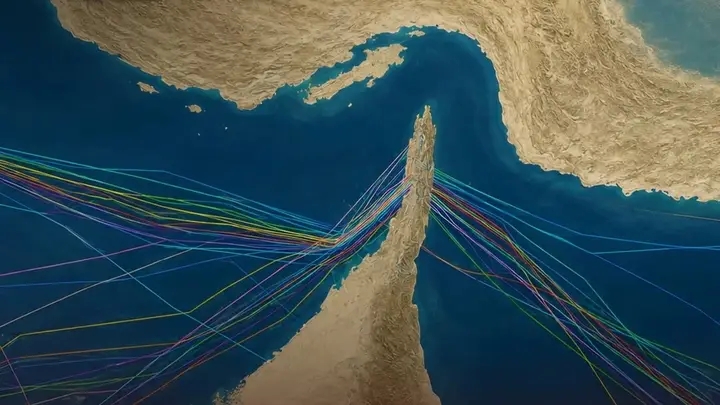
Iran Eyes Undersea Internet Cables in Strait of Hormuz as New Source of Strategic Power
Iran is reportedly exploring a new form of leverage in the Strait of Hormuz — not through oil tankers, but through the massive network of undersea internet cables running beneath the waterway.
According to reports, Tehran is considering plans to impose fees or regulatory controls on major global technology and telecommunications companies whose submarine cables pass through the strategic chokepoint.
These cables carry enormous volumes of global internet traffic, cloud services, banking transactions, and financial data flows linking Europe, Asia, and the Gulf region.
Analysts warn the move could transform the Strait of Hormuz from merely an “energy chokepoint” into a major digital pressure point with global economic implications.
The reports come as Iran increasingly searches for alternative economic and geopolitical tools amid sanctions, regional tensions, and growing competition with Western powers.
Experts say any attempt to regulate or monetize undersea cable routes could trigger major international legal disputes and raise fears over cybersecurity, digital sovereignty, and global internet stability.