

🌍 REGIONAL | Kabila, Bemba Clash Over Congo’s Political Crisis
Democratic Republic of Congo (DRC) Deputy Prime Minister Jean-Pierre Bemba has accused former President Joseph Kabila of facilitating Rwandan influence in the country, escalating a political confrontation following Kabila’s criticism of President Félix Tshisekedi’s administration
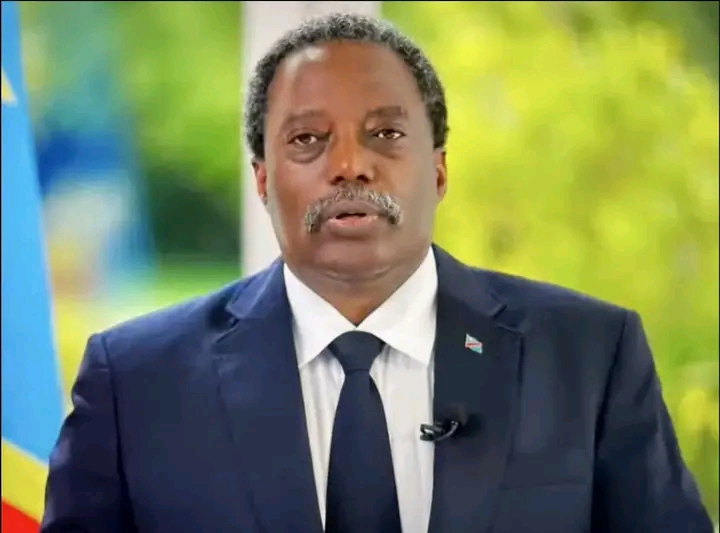
Bemba’s remarks followed Kabila’s October 9 address, in which the former president warned that the DRC was facing a crisis threatening its national unity and accused Tshisekedi of authoritarianism, corruption and mishandling the conflict in the country’s eastern provinces
“Your speech does not deceive anyone,” Bemba said in a statement directed at Kabila, accusing the former leader of leaving individuals allegedly aligned with Kigali in influential government positions
Bemba further alleged that Kabila had supported armed movements responsible for destabilising eastern Congo, including the March 23 Movement (M23), although the accusations remain contested and should not be treated as established findings.
“The Congo will never be a province of Rwanda,” Bemba declared, insisting that the country’s sovereignty must not be determined by foreign governments.
Kabila, who governed the DRC from 2001 to 2019, accused Tshisekedi’s administration of undermining constitutional institutions and warned against proposals that could facilitate changes to presidential term limits.
The former president also called for inclusive national dialogue, criticising the government’s handling of negotiations aimed at ending fighting in eastern Congo, where the Rwanda-backed M23 rebellion has displaced large numbers of civilians.
Relations between Kinshasa and Kigali have remained strained for decades, particularly since the aftermath of the 1994 Rwandan genocide, when armed groups and regional military interventions helped trigger the First Congo War in 1996 and the Second Congo War in 1998.
Kabila’s father, Laurent-Désiré Kabila, came to power in 1997 after a rebellion supported by Rwanda and Uganda overthrew longtime ruler Mobutu Sese Seko, before relations with his former regional allies deteriorated and another war erupted the following year.
Joseph Kabila assumed the presidency following his father’s assassination in 2001 and later oversaw a political transition that brought Tshisekedi to power in January 2019, although the disputed electoral outcome and subsequent breakdown of their political alliance deepened tensions between the two camps
In September 2025, a Congolese military court sentenced Kabila to death in absentia after convicting him of offences linked to alleged support for M23, charges he has denied while describing the proceedings as politically motivated.
Bemba, himself a former rebel leader and political rival of Kabila, defended Tshisekedi’s record, citing free primary education, maternal healthcare initiatives and infrastructure development as evidence of progress under the current administration.
The latest exchange comes as the DRC faces continuing insecurity in its eastern provinces, diplomatic tensions with Rwanda and disagreements over constitutional reform, raising further questions about prospects for political dialogue and national reconciliation.
The People’s Brief | Hora Hanene
October 11, 2026