

Leaked Images Expose Environmental Catastrophe in Iran After Suspected Strike Near Strategic Oil Zone
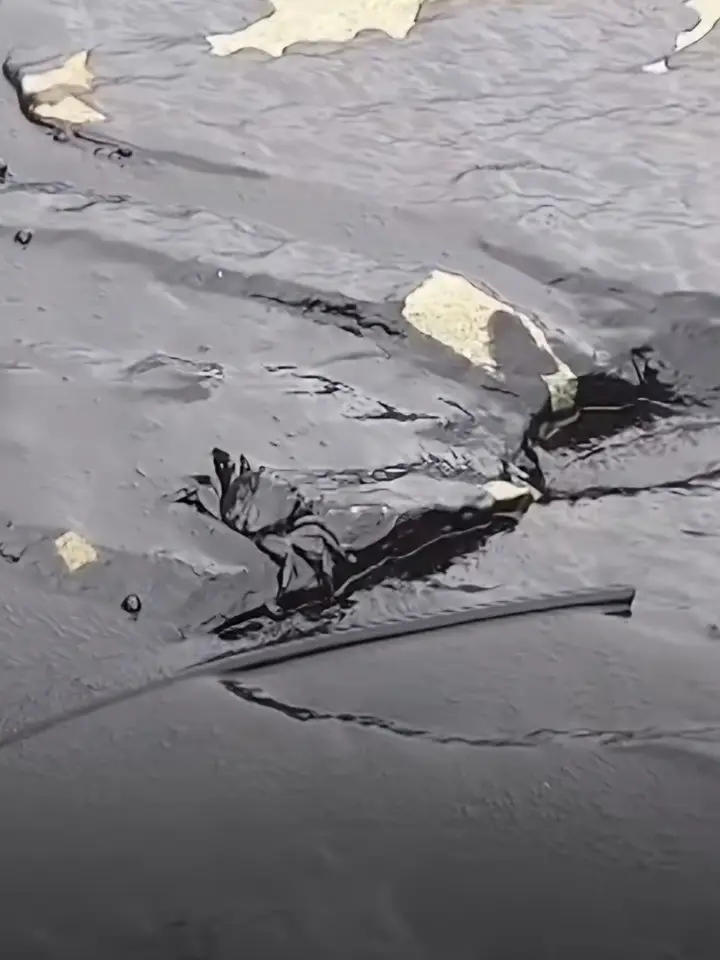
The images, reportedly captured by an Iranian citizen identified as Ehsan Jalali on April 9 but only recently uploaded after internet restrictions eased, show coastlines on Shidvar Island covered in thick black oil residue following an alleged strike on nearby Iranian energy infrastructure.
The released images appear to show birds, crabs, and marine animals trapped in oil contamination, while dead fish and rays were reportedly seen along the shoreline. Witness accounts linked to the incident also described dolphins struggling in polluted waters.
Satellite imagery reportedly analyzed by international media organizations, including high-resolution images from Airbus DS Pléiades Neo dated April 10, appeared to confirm a large oil spill spreading from facilities near Iran’s Lavan energy zone toward the protected island area.
The environmental damage is believed to be connected to an earlier unidentified aerial strike targeting oil infrastructure near Lavan Island during heightened tensions between Iran, the United States, and Israel.
Iranian-linked media accused the United Arab Emirates of involvement, though no official confirmation has been provided and the UAE has not publicly accepted responsibility.
What makes the situation especially sensitive is the ecological importance of Shidvar Island itself.
The island is internationally recognized under the Ramsar Convention as a protected wetland ecosystem and has served for decades as a critical nesting and breeding ground for seabirds, sea turtles, and rare marine wildlife in the Persian Gulf.
Environmental observers say the contamination could have long-term consequences for biodiversity in the region, while critics are questioning why the scale of the incident was not publicly disclosed earlier by Iranian authorities.
The emerging reports are now adding a new environmental dimension to an already volatile regional conflict — showing that beyond military escalation, the ecological costs of war may also be rapidly intensifying.