

RUSSIA’S PROJECTED 2027 BUDGET SHORTFALL GROWS BY TWO-THIRDS
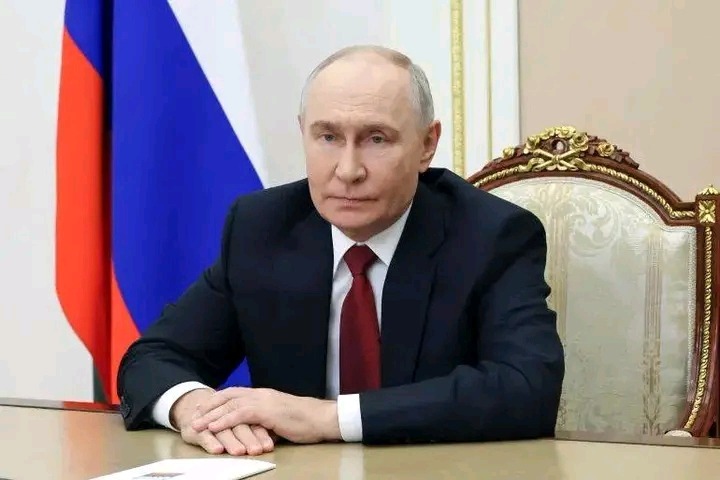
Russia now expects its federal budget deficit to reach approximately 2% of GDP in 2027, according to Vladimir Putin. The previous projection was 1.2%, meaning the expected shortfall has increased by roughly 67%.
In everyday terms, Russia expects to spend around five trillion rubles more than it collects. Moscow can cover that gap by borrowing money, using its reserves or raising taxes—but every option comes with a cost.
Borrowing is already expensive because Russian interest rates remain high. Russia’s debt payments were projected to rise by approximately 23% in 2026, meaning more government money will go toward paying interest instead of supporting hospitals, roads, regional governments and ordinary citizens.
The Kremlin is also spending enormous amounts on the war and military production. Russia still earns heavily from oil and gas, but sanctions, lower production and Ukrainian strikes against its energy industry are making those revenues less dependable.
Russia is not suddenly running out of money. The danger comes from repeating this process year after year. Each new deficit adds more debt, creates more interest payments and leaves fewer resources for the civilian economy.
The Kremlin continues financing its invasion today by placing more of its cost on Russia’s future.