

THE MORTUARY POLITICIAN: HOW MAKEBI ZULU TURNED GRIEF INTO A CAMPAIGN PLATFORM
By Mwansa Chanda
There is a special category in the annals of political infamy reserved for those who mistake a coffin for a podium and mourning for political theatre. As Zambia watches the painful and increasingly embarrassing impasse surrounding the burial of former President Edgar Chagwa Lungu, one figure has emerged at the centre of the storm: Makebi Zulu.
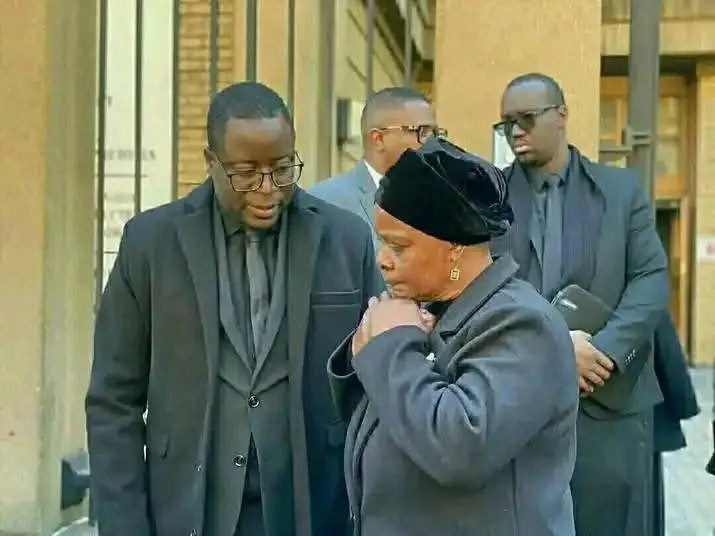
To many critics, Mr. Zulu, Lawyer, Spokesperson, and now seemingly Chief Political Strategist of the grieving family, has transformed a national tragedy into a prolonged campaign performance. While the remains of the former Head of State remain in a South African mortuary amid legal, diplomatic, and family disputes, Mr. Zulu has continued to dominate headlines, press briefings, and political narratives with consistency.
What should have been a solemn process of grief and national reflection has instead become a spectacle of accusation, positioning, and political messaging.
Sources close to the family indicate that nearly every public update has carried less of the dignity associated with mourning and more of the tone of a political mobilisation campaign. Traditional leaders, sections of civil society, and ordinary citizens have openly questioned whether the late President’s death is now being weaponised to consolidate opposition sympathy and political leverage ahead of Zambia’s political future.
THE QUESTION OF BLOOD
At the heart of public outrage lies a deeply cultural and emotional question: Would Makebi Zulu behave this way if the deceased were his own father? His own brother?Many observers believe the answer is no.
Had this been a blood relative, critics argue, the country would likely have witnessed a very different response, one marked by urgency, silence, humility, and sacred respect for tradition. There would have been immediate efforts to bring the body home, private family consultations, and focused attention on customary rites rooted in Zambia’s deeply respected cultural traditions. Instead, critics say, the Nation has witnessed endless media appearances, political commentary, and public confrontation.
To some, Mr. Zulu appears less like a grieving representative and more like a man managing a political brand around a deceased client who can no longer object. The funeral, they argue, has slowly ceased to resemble a funeral at all.
THE “HEARTLESS THREE”
Mr. Zulu has not escaped criticism alone. Public frustration has increasingly expanded toward what some critics have labelled “The Heartless Three”: Tasila Lungu, Brian Mundubile, and Esther Lungu. The accusations, though fiercely contested, have become part of the growing public discourse surrounding the handling of the late President’s affairs.
Critics point specifically to the following:
– Tasila Lungu has been accused of prioritising the preservation and marketing of her father’s political legacy over the practical urgency of repatriation and burial arrangements.
– Brian Mundubile, according to political insiders, is allegedly using the funeral structure as a strategic political coordination platform ahead of the August, 2026 General Election.
– Esther Lungu, though widely acknowledged as a grieving widow deserving compassion, has, nevertheless, faced criticism from some quarters for allegedly surrendering critical decisions to advisors and political actors surrounding her.
Whether fair or unfair, the perception taking root among sections of the public is damaging: that grief has become entangled with ambition, and mourning transformed into political capital.
A LEADERSHIP TEST FAILED — AND A WARNING TO ZAMBIA
Zambia is watching. And many are deeply disturbed by what they see. Funerals are not merely logistical exercises in African society. They are sacred moments of dignity, unity, humility, and cultural obligation. They reveal character under pressure. They expose whether leaders possess empathy, discipline, and moral clarity.
If those at the centre of this controversy cannot manage a single funeral with unity, restraint, and dignity, critics ask, how can they credibly claim the capacity to govern Zambia, a Nation of more than 20 million people?
Governance requires more than speeches and political slogans. It demands emotional maturity, administrative competence, humility, and integrity. It requires leaders capable of placing national interest above ego and political opportunism. To many observers, the conduct surrounding this funeral impasse represents not merely a family dispute, but a revealing leadership test — one that some believe has already been failed spectacularly.
And so, many well-meaning Zambians are now being urged to reflect carefully and soberly on the kind of leadership culture being displayed before them.
Supporters may defend the current actors as victims of political persecution and national hostility. Critics, however, see something far more troubling: the emergence of a political class willing to exploit even death itself for relevance, leverage, and future power.
For those critics, the prospect of elevating figures such as Brian Mundubile and Makebi Zulu into the highest offices of the land would represent a dangerous gamble with Zambia’s future. They warn that leadership without restraint inevitably breeds division, tribalism, institutional decay, and the erosion of national unity. They caution citizens not to confuse polished rhetoric with statesmanship, nor media visibility with moral authority.
Because the Presidency of Zambia is not a roadside marketplace where ambition alone qualifies entry. It is a sacred covenant with millions of citizens whose hopes, security, and future depend upon the character of those entrusted with power. And perhaps that is the greatest lesson emerging from this painful episode: If leaders cannot guide a grieving family with dignity and restraint, how can they possibly guide a nation through crisis with honour?
The country does not need endless press conferences, political theatre, or carefully choreographed outrage. It needs closure. It needs dignity. It needs leadership grounded in humanity rather than opportunism. And if those currently controlling the process cannot provide that leadership, then perhaps the time has come for them to step aside and allow grief, genuine grief, to finally take precedence over politics.
Balongo, politics aside, let’s look at reality. The UPND government has recorded noticeable achievements. Here are a few:
1. Peace & Order
Marketeers and traders in Lusaka + other areas now do business freely without fear of harassment by cadres.
2. Economy & Debt
Govt cleared debt that was defaulted, which had made our reserves useless. That step has brought hope back.
3. Load Shedding & Energy
Solar power has been introduced to the grid in almost all provinces – something we hadn’t seen on this scale before.
4. Pensioners & NAPSA
All payments due to pensioners have been cleared. Plus, the 20% withdrawal on NAPSA dues was introduced.
5. CDF, Schools & Hospitals
Through CDF, grants + loans went to clubs and cooperatives regardless of political affiliation. Mini hospitals and schools have been constructed. Youths also benefited through skills development programs.
6. Free Education + School Feeding
Many children went back to school after free education was introduced. On top of that, the school feeding program is a big plus ❤️
7. Recruitment & Allowances
Large-scale recruitment of teachers, nurses, ZNS, ZAF, Police, and Army. Meal allowances that were removed by the previous government have also been reintroduced.
Just a few out of many achievements by HH and the UPND government.
As Zambians we’re still paying for mistakes of the past. Let’s reflect and vote wisely for continuity, so what’s left for future generations isn’t finished.
In bemba we say Akabwelela kalalya
I will vote for President HH byashala kemwena.
KIMYE KYAFIKA ✍️
#UPND #HH #Continuity #ZambiaForward #CDF #FreeEducation