

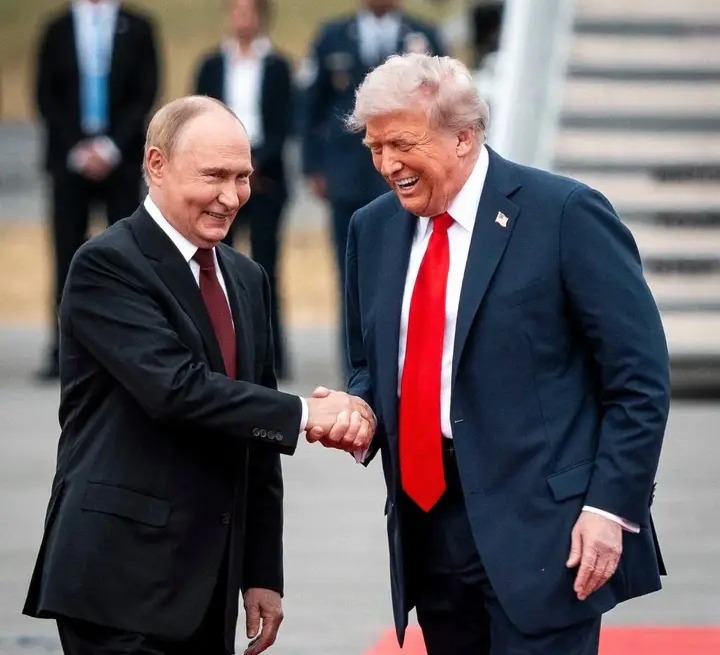
TRUMP BLAMES UKRAINE AS IRAN WAR DRIVES A GLOBAL FUEL CRISIS
The world may be approaching a far more severe fuel crisis as the war with Iran disrupts oil production, refinery output and shipping through some of the planet’s most important energy corridors.
JPMorgan analysts say approximately 10 million barrels of daily supply may already be disrupted. Oil has climbed above $100 per barrel, while American diesel prices have reached record levels and inventories have fallen to historic lows. The bank says it cannot confidently model how the crisis ends.
The G7 is preparing to meet in response, with governments expected to discuss coordinated measures such as releasing strategic reserves and protecting remaining supply routes. These measures may help prevent physical shortages, but they cannot fully reverse prices while such large quantities of oil and fuel remain trapped or unavailable.
President Donald Trump has repeatedly blamed Ukrainian strikes on Russian refineries for the global diesel shortage. Those attacks have contributed to tighter diesel supplies because Russia was a significant exporter of refined fuel. But they do not explain the entire crisis—and they certainly do not explain the broader surge in global oil and gasoline prices.
The United States does not receive most of its crude from the Middle East. Canada supplies the majority of American crude imports, while the Middle East Gulf accounted for approximately 8% in 2025. However, oil is sold through a global market. When war disrupts the Strait of Hormuz, the Red Sea and Middle Eastern production, buyers everywhere compete for fewer available barrels, pushing prices higher even in countries that produce their own oil.
Trump is also locked in an escalating trade and diplomatic dispute with Canada—the country supplying most of the foreign crude used by American refineries. Trade negotiations have collapsed, both countries have imposed retaliatory tariffs and Washington says it sees no urgency in reaching a settlement.
Canadian oil and gas continue flowing into the United States, but antagonizing America’s most important external energy supplier adds uncertainty at precisely the moment global supplies are under extraordinary pressure. Canada is already accelerating efforts to diversify its trade and energy relationships away from dependence on the United States.
Ukraine is striking Russian refineries because those facilities fuel Russia’s military, generate revenue for its invasion and sustain the machinery attacking Ukrainian cities. Asking Ukraine to leave that system untouched so Russian fuel can return to the global market means asking the invaded country to protect the aggressor’s wartime economy.
Ukraine’s campaign has affected diesel availability. The much wider oil shock, however, is inseparable from the war with Iran, the disruption of international shipping and Washington’s increasingly unstable relationship with its largest crude supplier. Blaming Kyiv alone is politically convenient, but it is not an honest description of how the current energy crisis developed.