

🇿🇲 BRIEFING | Zambia to Exit IMF ECF, Pivot Toward Growth-Focused Programme
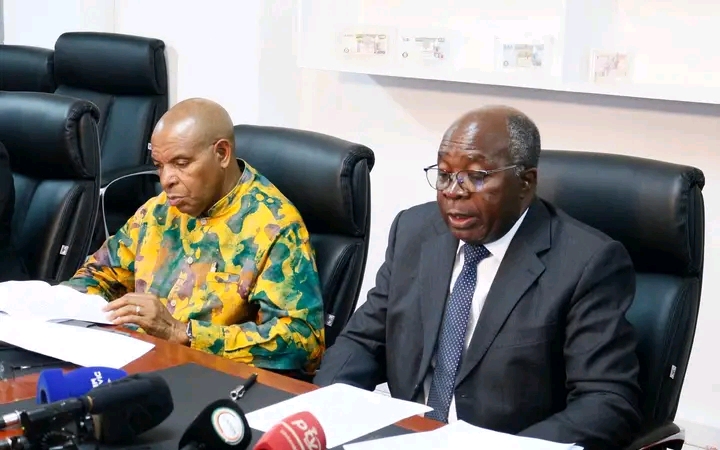
Zambia is set to conclude its current International Monetary Fund support programme and pivot toward a successor arrangement aimed squarely at growth, investment and job creation, Finance Minister Situmbeko Musokotwane said Thursday in Lusaka.
The 22-milion man nation will complete the sixth and final review of its IMF-backed Extended Credit Facility before opening talks on a new, full-term programme with the International Monetary Fund, Musokotwane said.
Zambia has opted against a previously considered one-year extension of the existing facility, choosing instead to transition directly into a framework aligned with its medium-term development priorities.
The move marks a shift in emphasis rather than a break with the Fund. Musokotwane said the government’s decision reflects successful completion of the current programme, which began in 2022, and confidence to enter a new phase focused on accelerating growth.
A short technical extension from November 2025 to the end of January 2026 was designed only to allow time for performance assessment ahead of IMF Executive Board consideration.
Zambia has completed all programme reviews without interruption, with a staff-level agreement on the final review reached last month. According to the minister, all quantitative targets and structural benchmarks were met, underpinning macroeconomic stabilisation after years of fiscal stress.
Primary fiscal surpluses have exceeded 2% of gross domestic product, strengthening public finances and restoring confidence among creditors and investors.
Those reforms have also supported progress on Zambia’s complex external debt restructuring and improved resilience to shocks.
Musokotwane said policy discipline helped ensure the economy could benefit from a surge in copper prices, noting that higher prices alone would have delivered limited gains without revived mining output and operational reforms.
Under the successor arrangement, Zambia plans to maintain engagement with the IMF while broadening the agenda beyond stabilisation. Talks are expected to prioritise growth-oriented structural reforms, investment mobilisation, value addition and job creation, while continuing work on debt sustainability.
The government said policy continuity will be preserved during the transition through adherence to the national budget, disciplined borrowing and expenditure within parliamentary limits. Zambia will also continue routine engagement with the Fund through Article IV consultations and technical support.
Musokotwane reaffirmed commitments to prudent fiscal management, transparent use of public resources and stronger domestic revenue mobilisation, stressing that reforms are nationally owned rather than externally imposed.
He credited President Hakainde Hichilema, Cabinet, Parliament and economic institutions for backing the reform agenda.
For investors, the shift signals confidence that Zambia has moved from crisis management toward a phase where macroeconomic stability can be leveraged for sustained growth.
© The People’s Brief | Ollus R. Ndomu