

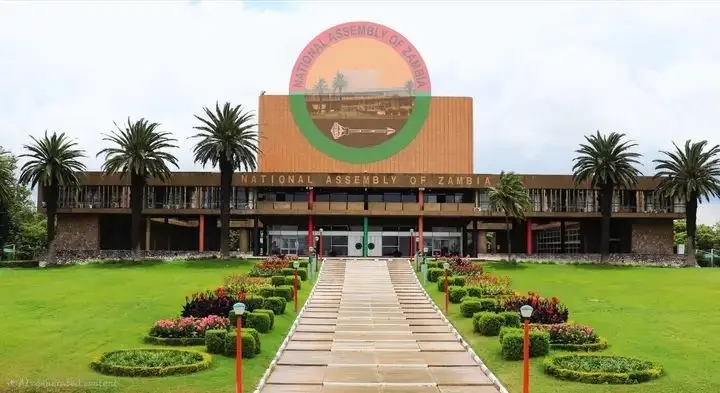
🇿🇲 BRIEFING | Parliament Pushes Ahead With Marathon Legislative Agenda After Court Victory
Zambia’s Parliament has moved into an unusual weekend sitting as lawmakers continue processing more than 70 Bills ahead of the dissolution of the National Assembly, following a High Court ruling that cleared the way for the accelerated legislative programme to proceed.
The development comes after Lusaka High Court Judge Lameck Mwale dismissed an application by the LCK Foundation and Chapter One Foundation which sought to halt the fast-tracked legislative process. The two organisations had argued that suspending Standing Orders and processing dozens of Bills within a compressed timeline undermined public participation as guaranteed under Article 89 of the Constitution.
But the court declined to entertain the matter, ruling that questions surrounding constitutional interpretation and alleged breaches of constitutional provisions fall under the exclusive jurisdiction of the Constitutional Court, not the High Court.
“While Parliament has powers under Article 77 of the Constitution to regulate its own procedures and Standing Orders, the applicants were essentially asking this Court to interpret whether Parliament’s actions violated Article 89,” Judge Mwale ruled.
The judge added that the application was “without hope” before the High Court because the court lacked jurisdiction to interrogate the constitutional issues being raised.
The ruling effectively handed Parliament legal room to proceed with one of the most aggressive legislative schedules in recent years. As of this weekend, lawmakers have continued sitting beyond the normal parliamentary calendar, debating and processing Bills in what is increasingly becoming a race against time before dissolution.
The scale of the legislative push has drawn national attention because of both its volume and timing. Parliament is attempting to clear over 70 Bills within a narrow political window, only months before Zambia heads into the August 2026 general election. Critics argue the process risks weakening scrutiny and limiting broader citizen engagement, while government and ruling party figures insist many of the Bills are long overdue reforms requiring urgent passage.
Among the major measures already attracting public debate are constitutional amendments, governance reforms, education legislation, and sector-specific regulatory changes expected to shape policy long after the election cycle ends.
The continued weekend sittings now signal that government is determined to complete the legislative programme despite mounting criticism from sections of civil society and the opposition, who view the accelerated process as politically strategic ahead of campaigns.
For the New Dawn administration, however, the court ruling represents more than a procedural victory. It preserves Parliament’s authority to regulate its own timetable and shields the legislative agenda from immediate judicial interruption at a politically sensitive moment.
The bigger constitutional question, however, remains unresolved. Judge Mwale’s ruling did not determine whether the process itself violates constitutional principles on public participation. Instead, the court held that such arguments belong before the Constitutional Court.
This distinction is politically significant.
It means the legislative machinery continues moving at full speed while the constitutional debate over process, consultation, and democratic legitimacy remains very much alive outside the chamber.
© The People’s Brief | Chileshe Sengwe; Goran Handya