

GUEST ARTICLE: The Imigalato Behind ECZ’s New Supporter Pre-Processing Rules
By Michael Mulusa
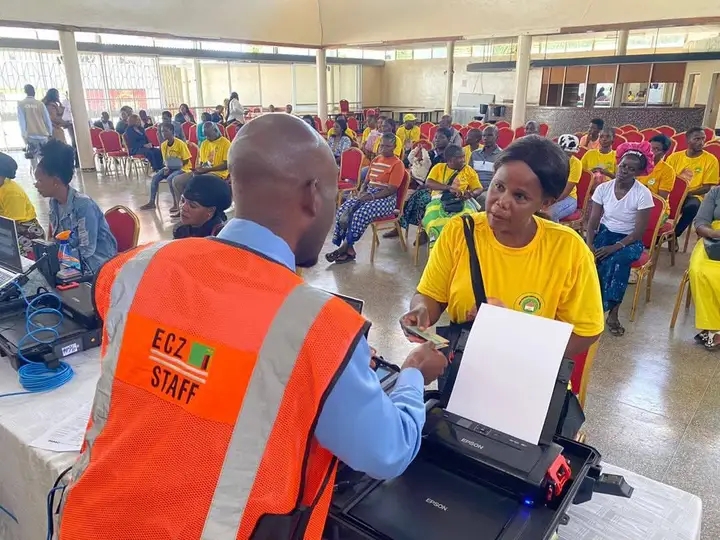
The Electoral Commission of Zambia (ECZ) has introduced new rules requiring presidential candidates to pre-screen their 1,000 supporters in each province before filing nomination papers in Lusaka. These rules are not yet backed by any clear law but that’s a discussion for another day.
What interests me is the political science or imigalato behind this move. In politics, nothing happens by accident. Absolutely Nothing!
Since Zambia returned to multi-party democracy in 1991, candidates have traditionally ferried supporters from all 10 provinces to Lusaka during nomination time. This was never just about paperwork it was about showing political muscle. Large crowds in the capital created energy, attracted media attention, brought the city to a standstill, and sent a strong message: “We are many, and we want change.”
This practice helped spread information back to villages across the country. Supporters would return home with stories, photos, and excitement that motivated voters in rural areas. It also allowed the international community and local people to physically see the strength of each candidate. The bigger the crowed, the larger the candidate.
Now, with pre-screening done at provincial level, opposition candidates can technically file their papers with just a few people or better yet themselves alone. This gives police an easy excuse to block crowds: “Why are you bringing people when they’ve already been screened?”
To the average onlooker who doesn’t understand the new process, it simply looks like the opposition has no support. This discourages undecided voters and weakens the momentum for change.
The ruling party doesn’t need big crowds their candidate is already in power and gets state coverage and will still bring large crowds. But for the opposition, these visible crowds have always been their main way to demonstrate popularity.
This is not genuinely about saving candidates money or making the process easier. It is about controlling perception and managing public demand for change.
No big crowds.
No city standstill.
No powerful images going viral.
No stories travelling back to the villages.
When people only see the President’s side making noise in Lusaka, the message becomes clear. “There is no opposition.”
This is classic political orchestration quiet, clever, and effective.
Michael M Mulusa
The Voice
While ,its your democratic right intitlement, to your Opinon
Its not your right to spread, Falsehood on the conduct of ECZ,
These Elections Rules have always Existed,,nothing is new today,
Ferrying of supporters from the Ten provinces,in the past Nominations has always posed a challenge to most Presidential Candidates
Infact, one typical Example, was during the 2021, polls ,
Where, one Presidential Candidate,
Ferried ,his supporters to Lusaka ,
And left them Stranded ,at Inter city bus Stop, for Days, without Food & fares to take them back to their home villages
It took ,the intervention of Government PF, then ,to come to their rescue,
If, a Candidate is popular ? He eill be popular ,without a huge crowd,
Weve seen & witnessed it, in the past elections ,
Popular candidates on account of crowds, have gone on to Loose Elections,,heavyly,
And Popular Candidates by way of registered voters have , carried the Day
Your ignorance Michael is amazing