

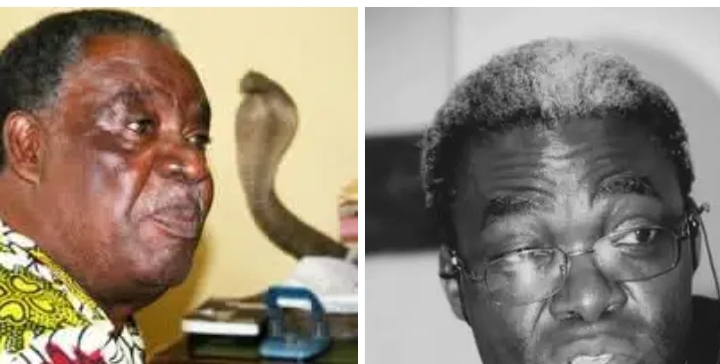
MICHAEL SATA VS BEN TETAMASHIMBA: “HOW SHORT AND HOW MANY CENTIMETRES?”
Some parliamentary debates are about policy.
Others become family business.
This particular exchange happened in 2001, when then Solwezi West MP Tetamashimba was contributing to debate on the budget for the Ministry of Mines and Minerals Development
Tetamashimba stood up and, apparently wanting to assure the House that his contribution would be brief, began:
Mr Tetamashimba: “Mr Chairman, mine is very short.”
The House erupted in laughter.
Then came Sata.
Mr Sata: “How short and how many centimetres?”
Laughter.
Mr Tetamashimba: “Mr Chairman, I cannot answer the hon. Minister Without Portfolio because I am married to his sister. It is not as short as he thinks.”
More laughter.
And just like that, the Mines and Minerals Development budget debate briefly became a family gathering where nobody had bothered to leave the bedroom jokes at home.
But after the laughter, Tetamashimba got down to the serious business of Kansanshi Mine.
He raised concerns about the state of the mine following its sale to Cyprus Amax, recalling how the once-thriving mining community with houses, a large clinic and a school with more than 1,000 pupils had reportedly been demolished, leaving little more than grass.
He argued that politicians from North-Western Province were struggling to explain to their constituents what was happening.
And then he reminded the House that his brother-in-law, Michael Sata, had previously visited Solwezi and assured residents that the mine would become operational.
Tetamashimba’s message was essentially:
“You told the people the mine was coming back. Now tell them when.”
Sata, however, wasn’t about to let his brother-in-law rewrite history without a little parliamentary cross-examination.
He raised a point of order, asking whether Tetamashimba was in order to lament the situation when he had previously advocated handing the mines over to private investors who knew how to run them.
The Deputy Chairman agreed that Tetamashimba needed to be careful not to defeat his own previous argument, but ruled that he was otherwise in order to raise his concerns.
Tetamashimba accepted the ruling and continued.
He warned that if the government failed to provide answers about when Kansanshi would become operational, politicians from the province would pay the political price particularly MMD politicians seeking re-election.
In other words:
The mine may have been closed, but the political pressure was very much operational.
So imagine the family gatherings after Parliament:
“Ben, about what you said in Parliament…”
“Michael, you started it. You asked how short it was!”
This is one of those Hansard moments that reminds us that Zambian Parliament has never been short of drama, humour or political theatre.
And sometimes, even when the subject is mining, the debate can unexpectedly go several centimetres in another direction.