

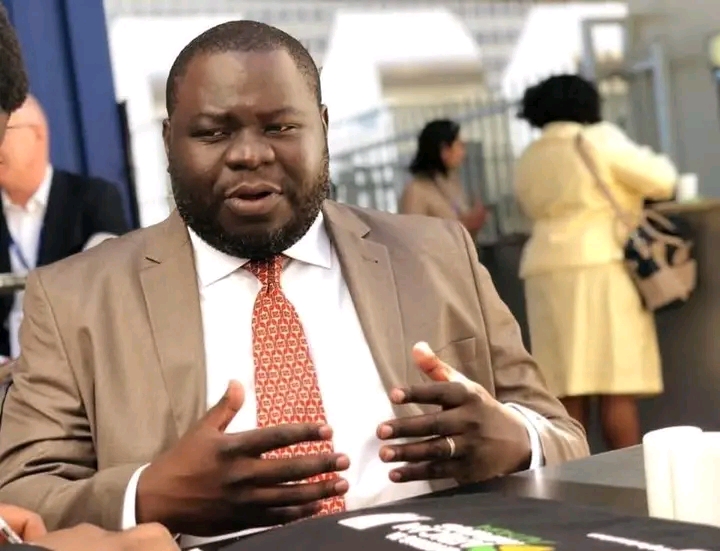
DR LUBINDA HAABAZOKA PRAISES PRESIDENT HICHILEMA’S ECONOMIC REFORMS
He shared………
Since August 2021, Zambia’s economy has undergone significant policy shifts under President Hakainde Hichilema’s administration. The government inherited a difficult macroeconomic environment marked by unsustainable debt, high inflation, currency volatility, and declining investor confidence. Over the past four years, reforms have been aimed at restoring fiscal credibility, stabilizing the macroeconomy, and setting the stage for long term recovery.
Debt Management and International Engagement
A central focus of the administration has been the resolution of Zambia’s external debt crisis. Through sustained engagement with the IMF, World Bank, and G20 Common Framework, Zambia reached a debt restructuring agreement with bilateral and private creditors in 2023 to 2024.
This restructuring has provided fiscal relief by extending maturities, lowering interest obligations, and creating space for higher social and capital spending. Comparisons have been made to the HIPC completion point of 2005, where debt relief similarly acted as a catalyst for growth.
Macroeconomic Stabilization
The macroeconomic environment has shown signs of stabilization:
* Inflation, which exceeded 20% in mid 2021, has been brought into single digits in 2024 to 2025, improving price stability.
* The exchange rate has experienced volatility but benefited from improved investor sentiment and external support.
* Fiscal discipline has been reinforced through expenditure controls, greater transparency in budget processes, and efforts to broaden the tax base.
Nevertheless, pressures remain from high food prices, external shocks, and limited domestic revenue mobilization capacity.
Growth Drivers and Sectoral Reforms
Economic growth has been modest but resilient. Mining continues to dominate, with renewed interest in copper and critical minerals for the global energy transition. Policy reforms have sought to attract long term investment and improve value addition.
In agriculture, initiatives to improve productivity and market access are ongoing, though climate related risks remain a challenge. The energy sector has seen increased interest in renewable projects, supported by government policy.
Social Policy and Human Capital Investment
The government has increased allocations to education and health, recruiting additional teachers and health workers, and implementing free education at primary and secondary levels. These measures are expected to improve human capital formation over time, though fiscal sustainability will depend on effective targeting and efficiency in delivery.
Business Environment and Private Sector Role
The administration has emphasized a private sector led growth strategy, working to reduce regulatory barriers and attract foreign direct investment. Investor confidence has improved relative to the pre 2021 period, with increased participation in the Lusaka Securities Exchange and rising interest in sectors such as energy, agriculture, and ICT. However, access to affordable finance remains a constraint for small and medium enterprises.
Outlook
Zambia’s economy is in a transition phase. Debt restructuring and macroeconomic stabilization have created the foundation for recovery, but sustained growth will depend on structural reforms in agriculture, energy, and industrialization, alongside prudent fiscal management.
The administration has made progress in restoring international credibility and stabilizing the economy, but vulnerabilities including external shocks, climate variability, and high poverty levels remain significant.
In sum, President Hichilema’s economic management has been marked by restoration of credibility, stabilization of key indicators, and improved investor confidence, though the challenge now lies in translating these gains into broad based, inclusive growth.
#SunFmTvNews