

FARMERS CRY FOUL AS DELAYED FRA PAYMENTS THREATEN 2025-2026 PLANTING SEASON
As the 2025–2026 farming season approaches, anxiety is spreading among smallholder farmers across Zambia who have yet to receive payments for maize supplied to the Food Reserve Agency (FRA). Many say they are struggling to prepare their fields due to lack of money, threatening the country’s food production and rural livelihoods.
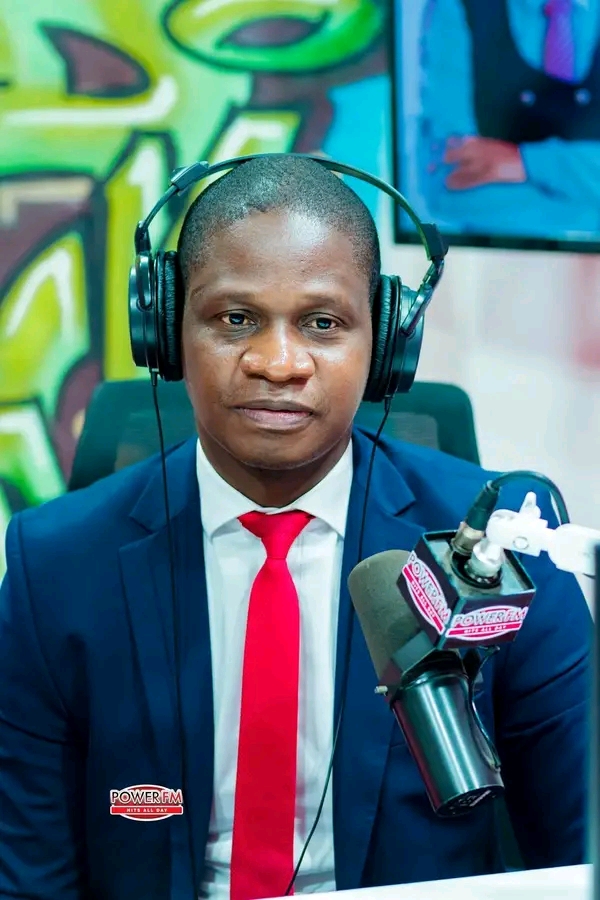
The Democratic Union (DU) has voiced strong concern over the situation, warning that the delays could have devastating consequences for both the farmers and the nation’s food security. DU President Ackim Antony Njobvu described the ongoing delays as “an insult to the hard-working men and women who feed this country.”
In his Independence Day message to President Hakainde Hichilema, Njobvu said it was “deeply worrying” that a huge number of farmers remain unpaid months after delivering maize to the FRA. He said the government’s silence on the matter has caused panic among farmers as the rainy season begins.
“It is unacceptable that some farmers who supplied maize as far back as July have still not been paid,” Njobvu said in an interview from State House. “People are panicking because the rains are here and they have no money to buy seed or fertilizer. How do we expect them to plant without resources?”
Njobvu accused the Ministry of Agriculture of “incompetence and inconsistency,” saying the leadership has failed to prioritize payments to the very people sustaining the country’s food chain. He said it was time for the President to take direct action.
“The Minister of Agriculture, Mr. Reuben Mtolo Phiri, has been sleeping on duty,” Njobvu charged. “Farmers have been patient for too long. The President must intervene personally and ensure that every farmer is paid without further delay.”
In districts such as Kapiri Mposhi, Mumbwa, and Katete, farmers told Kumwesu News they are losing hope as they wait for payments that never seem to come. Many have resorted to selling livestock or borrowing at high interest rates to purchase inputs for the new season.
“I delivered 150 bags of maize in July and have not received a single kwacha,” said Agnes Banda, a widow and small-scale farmer from Katete. “The rains have started, but I can’t afford seed or fertilizer. If the government doesn’t pay us soon, we will go hungry.”
Njobvu said such stories highlight the human cost of government inefficiency, noting that while officials attend meetings in Lusaka, ordinary farmers in rural Zambia are sinking deeper into debt.
“We cannot talk about economic growth when the people who produce our food are left unpaid,” he said. “Every delay pushes a family closer to poverty. Every unpaid farmer is a hungry household.”
“When you delay paying farmers, you delay food security,” adds Njobvu explained. “The consequences extend beyond the farm gate they affect the entire economy and every Zambian household.”
Njobvu said the Democratic Union would continue to hold the government accountable for its promises, stressing that agriculture remains the foundation of national stability.
“Farmers are not asking for charity; they are asking for fairness,” he said. “They have delivered the maize now the government must deliver the money. If we fail to pay our farmers, we are failing our nation.”
As the rains fall and fields await planting, the clock is ticking. Without swift government action, Njobvu warned, Zambia risks entering the new season with uncertainty and a food crisis that could have been prevented.
“This is not just about money,” he concluded. “It’s about respect, survival, and the future of our agriculture. Paying the farmers on time is paying for Zambia’s tomorrow.”
KUMWESU
October 25, 2025
We’re now tired of asking for our hard earned money.. Now we’re just watching..
It could have been better if there was mutual cooperation. As this stand, no one from government’s side cares. This is why they don’t respond to such press releases..