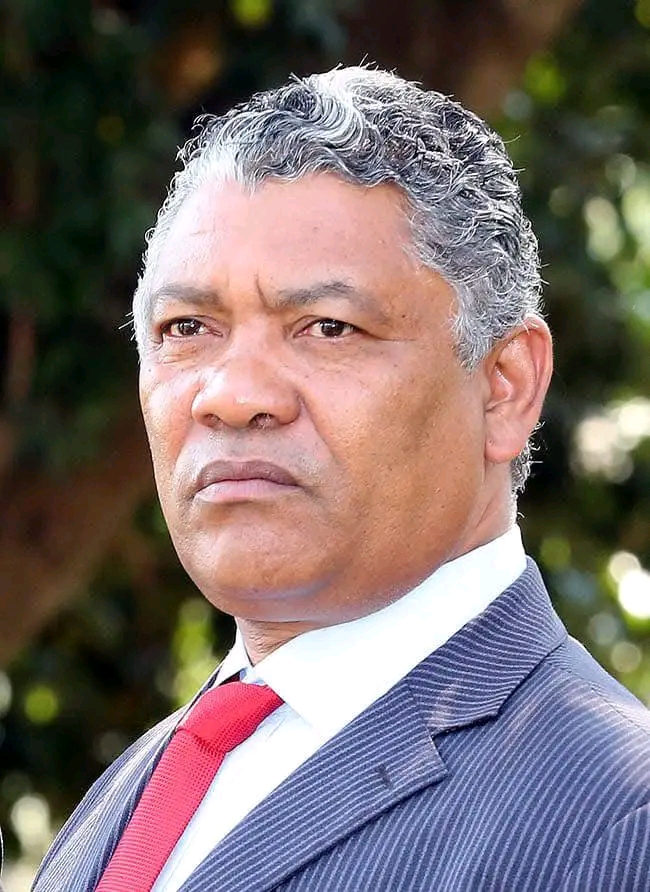
⬆️ CONTEXT | Has UPND Captured PF, or is PF’s Collapse Self-Inflicted?
The Patriotic Front is loudly telling diplomats and the public that the United Party for National Development has “captured” their party through the Registrar of Societies and parliamentary maneuvers. The argument is simple: the ruling party has manipulated institutions to weaken the opposition. But the deeper truth is harder. PF’s crisis was born long before UPND stepped into State House.
When Michael Sata died in 2014, the PF fractured. Edgar Lungu’s rise to the presidency was contested internally, and the divisions never healed. By the time PF lost power in 2021, the party was already split into rival camps. Leadership succession became a dangerous vacuum. PF announced a convention, collected nomination fees from presidential hopefuls, and then abandoned the process amid accusations that millions went missing. That collapse opened the door to unilateral moves.
Miles Sampa seized the moment. He organized his own convention in 2023, declared himself president, and submitted office bearers to the Registrar of Societies. The Registrar accepted his filings, giving him legal recognition. Rival PF figures went to court, but while litigation dragged on, the Speaker of the National Assembly acted on the Registrar’s records, declaring several PF parliamentary seats vacant. By-elections followed. To PF hardliners, this was UPND interference. To observers, it was PF’s paperwork wars spilling into state institutions.
The perception problem is real. When the Registrar of Societies or the Speaker of the National Assembly take steps that align with one faction, it looks like state partisanship even if they are acting procedurally. Political analyst Sishuwa Sishuwa has warned that institutions risk being seen as referees of PF’s family feud. Once neutrality is questioned, every decision fair or not, becomes tainted in the eyes of the public.
Still, the blame cannot be shifted entirely to the state. PF created this crisis. Its leaders failed to hold a credible convention, failed to agree on succession, and failed to manage finances transparently. Edgar Lungu’s flirtation with a comeback only deepened the confusion. At times PF has effectively operated as two parallel parties, each with its own president, secretary general and spokesperson.
The Registrar’s recognition of Robert Chabinga’s faction in 2024 was not an invention of UPND. It was a reaction to yet another set of PF filings. If there was one PF, there would not be two lists of executives competing for official stamp. The state did not write those lists. PF did.
Looking ahead to 2026, PF faces an existential test. Appeals to foreign embassies may generate noise, but they cannot substitute for a court-sanctioned convention, audited membership rolls, and a single leadership structure. Without internal coherence, even minor rulings by institutions become fatal.
This is the task of CONTEXT: to separate fact from fiction. PF’s weaknesses are not manufactured entirely from outside. They are the sum of years of infighting, failed succession, and abandoned conventions. UPND may have exploited the chaos, but it did not create it. We write to clarify not to take sides because Zambia’s democracy is strongest when truth is not buried beneath political noise.
© The People’s Brief | Context
The muzzled their own convention, it is at that point when things fell apart