

Turning Crisis into Capital: How Africa Can Leverage Middle East Instability to Attract Global Investment
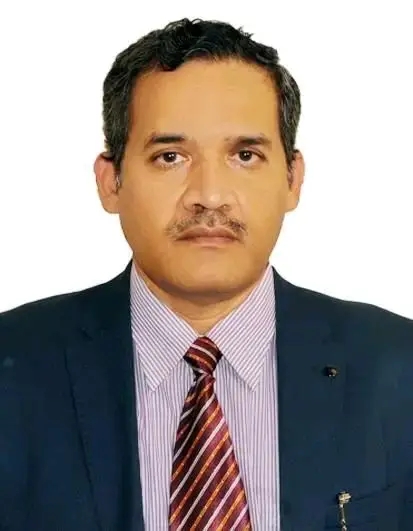
By Srinivas Yelishetty, Ex UN Consultant. Investment Advisor and Consultant.
The ongoing conflicts in the Middle East are reshaping global economic flows in ways that extend far beyond the region. Historically, disruptions in energy markets, logistics corridors, and geopolitical alliances have forced investors to reassess risk and reallocate capital. Today, Africa stands at a pivotal moment—uniquely positioned to convert global uncertainty into long-term opportunity
For African nations, particularly those rich in natural resources and renewable energy potential, this is not merely a moment to observe—but to act strategically.
*A Shifting Investment Landscape*
Instability in key Middle Eastern economies affects oil prices, supply chains, and investor confidence. Countries that traditionally attracted capital due to stability and energy dominance now face heightened risk perceptions. As a result, institutional investors, sovereign wealth funds, and private capital are actively seeking alternative destinations.
Africa offers compelling advantages: vast arable land, critical minerals, a young workforce, and unmatched solar and hydro potential. Nations like Zambia, Zimbabwe, and Namibia are increasingly emerging as viable investment hubs, particularly in energy, agriculture, and infrastructure.
*Strategic Role of State Investment Ministries and Investment Development Authorities*
To convert interest into actual capital inflows, African governments must move beyond passive promotion to proactive investment diplomacy. Ministries responsible for investment and trade need to function as deal-makers, not just regulators.
*1. Targeted Investment Campaigns*
African investment ministries should design country-specific campaigns tailored to key investor blocs:
* *India (India)* : Position Africa as a natural partner for food security, pharmaceuticals, and affordable renewable energy. Indian companies are cost-efficient and comfortable operating in emerging markets.
* *European Union (European Union)*: Emphasize green energy partnerships, ESG-compliant mining, and carbon credit markets. Europe’s decarbonization agenda aligns strongly with Africa’s renewable potential.
* *Gulf Nations like Qarar, Saudi Arabia and United Arab Emirates*: These oil-rich economies are actively diversifying. Africa can offer land for agriculture, renewable energy projects, and logistics hubs.
*2. Investment Roadshows and Sovereign Partnerships*
Ministries should lead high-level delegations to financial centers such as Mumbai, London, Doha, Riyadh and Dubai, not just for conferences but for structured deal-making sessions. Signing bilateral investment treaties (BITs) and sovereign guarantees can significantly de-risk investments.
*3. Bankable Project Pipelines*
Investors do not fund ideas—they fund structured, risk-mitigated projects. Governments must present:
* Ready-to-build solar and wind projects
* Agro-processing zones with land and water secured
* Mining projects with clear licensing and ESG frameworks
* ICT and Transportation Infrastructure
For example, solar corridors in Southern Africa could attract global developers if bundled with transmission access and power purchase agreements.
*4. Risk Mitigation Mechanisms*
One of Africa’s key challenges is perceived risk. Ministries must collaborate with institutions like the African Development Bank and the World Bank to offer:
* Political risk insurance
* Currency hedging mechanisms
* Partial risk guarantees
This significantly enhances investor confidence.
*5. Policy Stability and Fast-Track Approvals*
Nothing deters investment more than policy unpredictability. Governments must ensure:
* Transparent regulatory frameworks
* Time-bound approvals
* One-stop investment facilitation desks
Countries that reduce bureaucratic friction will outperform peers in attracting capital.
*Sectoral Focus: Where Opportunities Lie*
*Energy Transition*
With rising global oil volatility, renewable energy becomes even more attractive. Africa’s solar irradiance is among the highest globally, making it a natural destination for green energy investments.
*Agriculture and Food Security*
Middle Eastern countries facing water scarcity are increasingly outsourcing food production. Africa can position itself as the breadbasket for these regions.
*Critical Minerals*
The global shift to electric mobility and clean energy has increased demand for lithium, cobalt, and rare earths—resources abundant across the continent.
*Strategic Narrative: Rebranding Africa*
Beyond policies and projects, perception matters. African nations must reframe their global narrative—from risk-heavy destinations to high-growth frontier markets. This requires coordinated branding, consistent messaging, and showcasing successful case studies.
*Conclusion*
The Middle East crisis is not an isolated geopolitical event—it is a catalyst for global economic realignment. Africa has the resources, the demographics, and increasingly, the political will to emerge as a major investment destination.
However, success will depend on execution. State investment ministries must evolve into agile, market-oriented institutions capable of structuring deals, managing risk, and building trust with global investors.
In times of global uncertainty, capital does not disappear—it relocates. The question is whether Africa is ready to receive it.