

🇿🇲 EDITOR’S NOTE | Unopposed Seats, Democratic Space, & Politics of Numbers
The growing number of unopposed seats in Zambia’s 2026 general election is rapidly becoming more than an electoral statistic. It is now evolving into a political argument about the health of the country’s democracy itself.
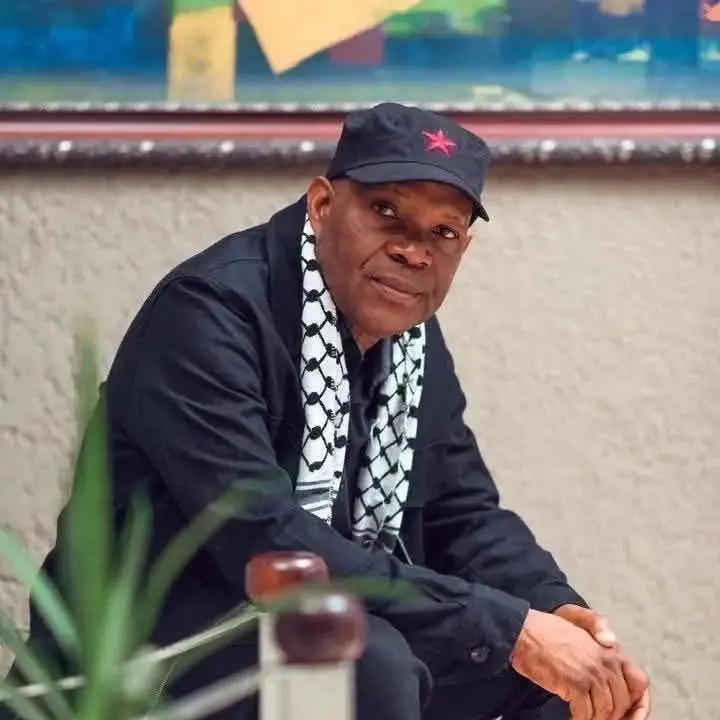
Over the weekend, Fred M’membe, leader of the Socialist Party, sharply criticised the ruling United Party for National Development for celebrating constituencies where opposition candidates failed to emerge or file nominations.
“Going unopposed should be viewed as a serious indictment on the ruling party, not a badge of honor,” M’membe wrote, arguing that the development reflects shrinking democratic space and weakening political competition.
His remarks come as several parliamentary and local government seats across parts of the country, particularly in UPND strongholds, have effectively gone uncontested after opposition parties failed to sponsor candidates or independents withdrew from races before nominations closed.
The ruling party and its supporters view the trend differently.
Within UPND circles, the unopposed victories are being interpreted as evidence of growing political dominance, organisational strength, and expanding grassroots support ahead of the August elections. To many ruling party supporters, the absence of challengers reflects opposition weakness rather than democratic decline.
But the deeper issue may lie somewhere beneath both narratives.
Elections are not shaped by one factor alone. They are shaped by organisation, financing, political climate, internal party cohesion, candidate recruitment, and public confidence. This year’s election is unfolding under expanded parliamentary boundaries following the creation of 70 new constituencies, a development that has significantly raised the financial and logistical cost of contesting elections.
For smaller opposition parties already battling fragmentation and resource constraints, nationwide participation has become increasingly difficult.
That reality is visible in the numbers.
Several opposition alliances have failed to field candidates in dozens of constituencies, wards, and council chairperson positions. In some areas, ruling party candidates advanced virtually uncontested not necessarily because elections were cancelled, but because opposition structures simply did not arrive intact.
At the same time, opposition leaders argue that the environment itself has become uneven. Allegations of intimidation, political pressure, and shrinking democratic tolerance continue to feature heavily in opposition messaging, although these claims remain politically contested.
This is why the debate around unopposed seats matters.
Democracy is not measured only by voting day. It is measured by whether political competition remains broad, credible, and sustainable over time. A ruling party naturally seeks dominance. An opposition naturally warns against it. Between those two positions lies the responsibility of institutions, laws, and public trust.
History offers perspective here.
Zambia has repeatedly witnessed dominant political movements appear electorally untouchable before eventually losing power. UNIP once commanded the state with near-total authority. The MMD later became electorally overwhelming. The PF itself appeared structurally unbeatable at one stage. None remained permanent.
Power changes. Political cycles shift. Public moods evolve.
What is unfolding now may therefore reflect both ruling party strength and opposition weakness simultaneously. Those two realities can exist at the same time.
The larger question is whether Zambia’s democratic culture remains resilient enough to sustain genuine political competition beyond this election cycle.
That answer will not come from slogans alone. It will emerge from institutions, participation, turnout, tolerance, and the credibility of the electoral process itself.
The People’s Brief exists to provide context beyond noise. We believe readers deserve analysis that separates political theatre from structural reality.
Share this article. Follow our reporting. And write to us with your views, responses, and opinion pieces at editor.peoplesbrief@gmail.com.
Your voice remains part of the national conversation.
© The People’s Brief | Editor
I am reminded of a story in the Bible where God promised the Israelites that they would not need to fight in that battle. While the Israelites sung praises and gave thanks to God, the enemies turned on each other and started killing each other until none remained. This seems to have been the case in Zambia. HH has never insulted anyone. He has led the country with dignity without attacking anyone’s person. He has been about the business of serving the Zambian people. Cleaning the toilet which the PF messed up. Now that the toilet has been cleaned and the walls that were once smeared with amafi are painted, they want to return to repeat the mess. HH will not need to fight in this battle. They are destroying each other.
But why didn’t the socialist party field candidates there?