

Amb. Emmanuel Mwamba
What happened to the rare earths metals discovery in Zambia?
Nkombwa Hill Project, Isoka:
A mineral resource of 2.78 million tonnes has been defined at Nkombwa Hill, with a grade of 2.76% total rare earth oxidesniobium and tantalum, rare earth elements and phosphate project in Zambia, and the resulting comprehensive summary, have proven to be “massively successful”.
AQSE-listed mining investment company Marula Mining CEO Jason Brewer said, noting that the results re-affirmed the company’s belief in the project.
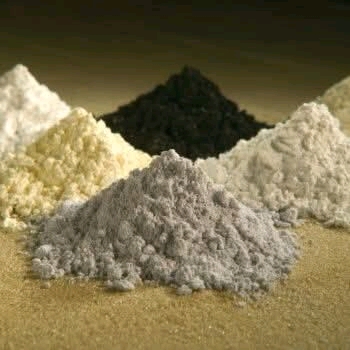
Rare earth metals — those 17 chemically similar elements at the bottom of the periodic table — are in almost every piece of technology we use from cell phones to wind turbines to electric cars.
ACR, the AIM listed resource development company, is pleased to provide the following update in respect of its recently acquired Nkombwa Hill project in Zambia (the ‘Project’) including the signing of a joint venture agreement for the exploration of the Project for rare earth minerals and the commencement of
an in-house work programme with the aim of defining a phosphate resource.
EARLIER
The Nkombwa Hill project lies in North Eastern Zambia, 23km east of the
Lusaka-Tanzania bitumen highway near the town of Isoka, within ACR’s 720 sq km.
Large Scale Prospecting Licence No 12198-HQ-LPL which was granted on 16 January 2010.
This licence covers Proterozoic metasediments and basement gneisses, intruded by the Nkombwa Hill carbonatite and at least six of the Isoka swarm of kimberlite pipes, explored by De Beers in 1959-1973.
The Carbonatite has historically been explored for phosphate, rare earths, and niobium.