

ANALYSIS
Zambia Must Reject The Politics of Division
The Editor Zambia
As Zambia heads toward the August 13 general election, citizens must carefully reflect on the political forces now regrouping under the resurrected Tonse Alliance and various Patriotic Front (PF) aligned formations.
The dramatic nomination of Brian Mundubile under the NRPUP ticket after the collapse of arrangements with the Forum for Democracy and Development (FDD) has once again exposed the instability, opportunism and confusion that continue defining opposition politics.
More importantly, Zambians should be reminded the nation that many of the individuals now attempting to rebrand themselves as saviours are the same PF members who presided over one of the most difficult and divisive periods in Zambia’s democratic history.
In short, Zambians should not suffer from political amnesia.
The PF years were characterised by systematic disregard for the rule of law, widespread corruption allegations, shrinking democratic space, and economic mismanagement that pushed many citizens into severe hardship.
Public institutions were weakened.
Political violence became normalised. Cadres gained frightening influence over state operations while ordinary citizens were treated with arrogance and intimidation.
Many of the figures like Mundubile and, Makebi Zulu now regrouping under Tonse Alliance, were not bystanders during that period.
They occupied influential positions in government and defended policies that brought suffering to millions of Zambians.
Some remained silent while constitutional violations unfolded. Others actively justified abuse of authority as long as it served partisan interests.
Today, these same individuals want citizens to believe that they have suddenly transformed into champions of democracy and national unity.
Zambians must ask difficult questions.
Where was this newfound commitment to justice when opposition leaders were being harassed? Where was this concern for ordinary citizens when corruption scandals dominated headlines?
Where was this unity when tribal rhetoric and regional division were being weaponised for political gain?
The danger facing Zambia now is not merely political competition. Democracy thrives on competition. The real danger is the resurrection of divisive politics disguised as opposition unity.
The increasing tribal undertones emerging from some opposition circles should deeply concern every patriotic Zambian.
Attempts to mobilise citizens primarily along regional or ethnic lines North/ and East blocs threaten the very foundation of national unity that Zambia has protected since independence.
Political alliances built on bitterness, grievance, and tribal arithmetic can never provide a stable national vision.
Zambia is bigger than tribe.
No alliance should seek power by exploiting ethnic insecurities or portraying national leadership as only belonging to the North/East enclaves.
Such politics have destroyed nations across Africa, and Zambia must never walk down that dangerous path.
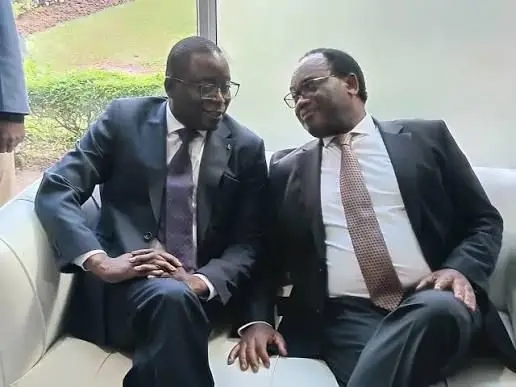
The appearance of Makebi Zulu alongside Brian Mundubile may energise sections of PF loyalists still emotionally attached to the legacy of former President Edgar Lungu, but emotional mobilisation alone cannot erase history.
Citizens still remember the economic collapse, rising debt, shrinking investor confidence, and growing fear that characterised the later PF years.
This election must, therefore, not become an exercise in political recycling.
Zambians deserve leadership from visionaries like President Hakainde Hichilema, grounded in integrity, accountability, and respect for democratic institutions.
They deserve leaders focused on development rather than revenge politics. They deserve leaders capable of uniting citizens instead of dividing them into tribal voting blocs.
The country has certainly not solved all its problems under the current administration, but there is a visible effort toward restoring economic credibility, strengthening institutions, and promoting constitutional order.
Political debates should focus on policy alternatives and national development instead of resurrecting the politics of intimidation and ethnic mobilisation.
The Tonse Alliance may attempt to present itself as a fresh alternative, but its core leadership remains heavily tied to the PF establishment and tribal groupings that many citizens rejected because of its excesses.
Cosmetic changes in alliance names or electoral vehicles cannot erase years of governance failures.
Ultimately, the responsibility rests with the Zambian people.
Voters must look beyond slogans, emotional rallies, and political theatrics. They must carefully examine track records, leadership conduct, and commitment to national unity.
Zambia cannot afford to return to an era where citizens lived under fear, institutions were undermined, and political loyalty mattered more than competence or justice.
This election should be about protecting democracy, strengthening the economy, and preserving Zambia’s peace.
The politics of division, tribal mobilisation, and recycled misrule must firmly remain in the past.
It’s just a grouping of thieves whose businesses can’t survive without government tenders and contracts…