

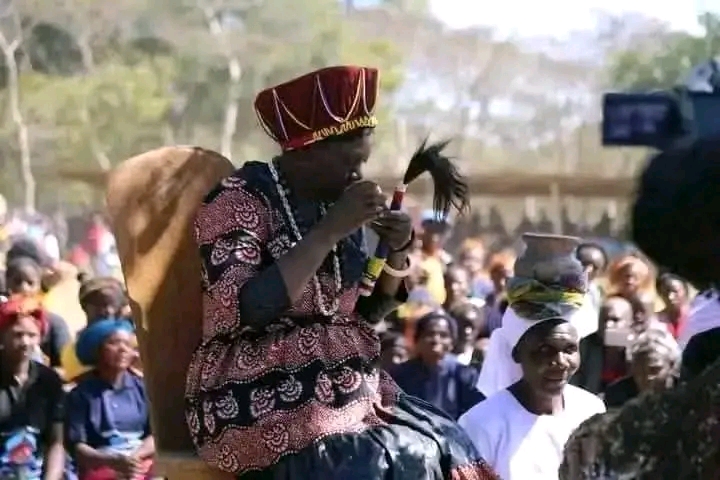
🇿🇲 VIEWPOINT | Chiefs, Power and the Politics of Recognition
Government’s decision to increase subsidies for traditional leaders marks more than an administrative adjustment. It is a political signal. It speaks to how President Hakainde Hichilema is choosing to engage one of Zambia’s oldest and most influential institutions.
The numbers are clear. Paramount Chiefs will now receive K18,000, up from K13,000. Senior chiefs move to K16,500 from K11,500, while other chiefs rise to K15,000 from K10,000. Retainers, often overlooked in policy discussions, have seen their wages more than double from K2,500 to K5,500. This is not a marginal adjustment. It is a structured intervention.
Context matters here.
Traditional leaders have, for years, quietly raised concerns about their welfare and relevance. Senior Chief Mwamba captured this frustration when he said the previous K11,500 “was too little to sustain lives,” especially given the expectations placed on chiefs to support funerals, community disputes, and social obligations. These are not ceremonial roles. They are functional responsibilities embedded in daily life
President Hichilema made a promise during the Kulamba Ceremony. He said chiefs would receive an increment in 2026. That promise has now been fulfilled. In politics, delivery matters. It builds credibility, especially with institutions that carry both cultural authority and grassroots influence.
But this move must be read beyond welfare.
Chiefs sit at the intersection of culture, land, and politics. Increasing their allowances, constructing palaces, and expanding their access to government is also about integration. It brings traditional leadership closer to the centre of state operations. It reduces distance between policy and community structures. It also, inevitably, strengthens political relationships.
This is where the debate begins.
Supporters will argue this is long overdue recognition. Chiefs play a stabilising role in rural Zambia. They manage land, mediate conflicts, and influence local development. Strengthening their capacity can improve governance outcomes at community level. A better-supported chief is better positioned to support their people.
Critics will raise a different concern.
They will ask whether this growing closeness between the executive and traditional leaders risks blurring lines that must remain clear. Chiefs are expected to be custodians of culture, not extensions of political machinery. When incentives, infrastructure, and access increase simultaneously, questions of independence naturally arise.
This tension is not new.
Every administration has had to manage its relationship with traditional authority. Some ignored it. Others engaged it selectively. The current approach is more deliberate and more visible. It seeks to formalise that relationship, not just maintain it.
The long-term question is simple. Does this strengthen governance or politicise tradition?
If chiefs use improved resources to uplift their communities, support development programmes, and maintain social order, then this policy will stand as a strategic success. If, however, it translates into political alignment at the expense of neutrality, then the cost will be institutional.
What cannot be denied is this. Traditional leadership is being repositioned.
And in a country where authority does not only flow through elected office, that repositioning carries both opportunity and risk.
© The People’s Brief | Ollus R. Ndomu
It’s an institution that’s supposed to increase the state’s reach in the countryside but it’s failing because the holders get in due to hereditary connection. The government needs to define minimum qualifications for one to become a chief in the 21st century.