

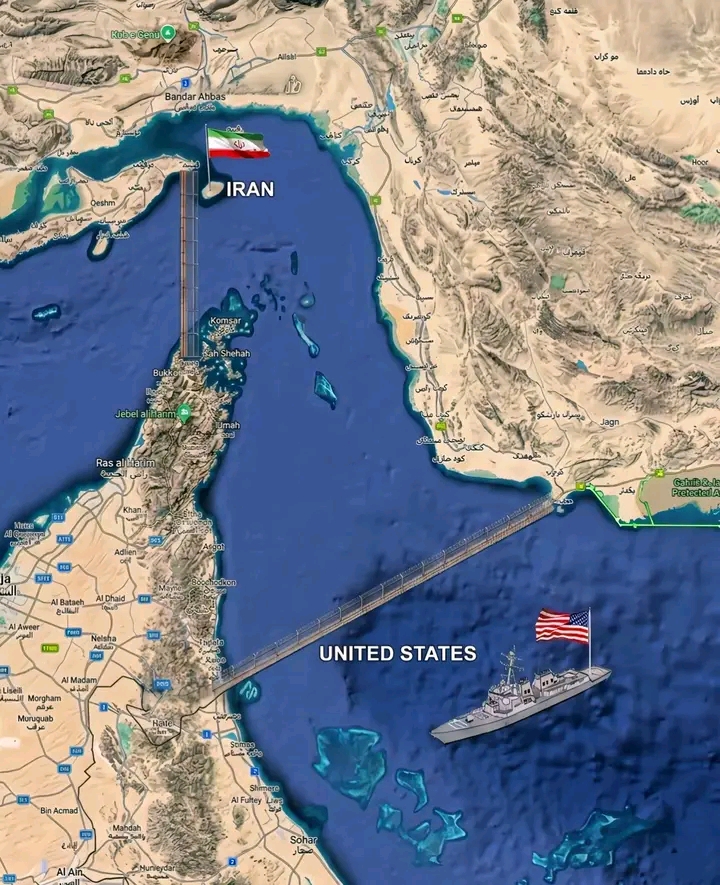
Double Blockade in the Strait of Hormuz: United States vs. Iran
U.S. Naval Blockade
U.S. President Donald Trump ordered a naval blockade starting April 13, 2026, after diplomatic talks with Iran collapsed.
The U.S. Navy is now intercepting and redirecting vessels linked to Iranian ports, while conducting escort missions and mine-clearing operations to keep key shipping lanes open.
Iranian Control
Since late February, Iran has tightened control over the Strait of Hormuz, allowing passage only under its own conditions.
Shipping companies report rising threats, including heavy military patrols and suspected naval mines—making the route extremely dangerous.
Diplomatic Breakdown
Peace talks held in Pakistan—involving U.S. officials like J. D. Vance—ended without any agreement on nuclear issues or maritime security, triggering a rapid escalation.
Military Escalation
U.S. destroyers have entered the strait for the first time since tensions spiked, launching active mine-countermeasure missions and escorting commercial vessels through high-risk zones.
Strategic Impact
Around 20% of the world’s oil supply passes through this narrow corridor. The dual blockade has already reduced tanker traffic, increased energy market volatility, and raised serious concerns about a broader regional conflict with global economic consequences.