

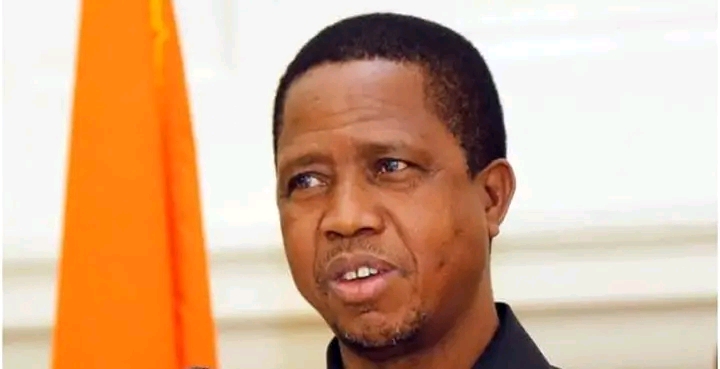
IF TRULY ECL’S REMAINS UNDERWENT FULL AUTOPSY
THEN THIS IS WHAT HE WENT THROUGH.
Former President Edgar Lungu’s body was placed on an autopsy table in the morning, around 08:30, for a full autopsy that should last until 13:30.
The late Lungu’s autopsy details are not publicly available due to confidentiality, but the process of a full autopsy adheres to a standardized methodology that is consistent across jurisdictions and medical facilities.
Lungu must have gone through a full autopsy, both external and internal.
The autopsy process begins with an external examination of the deceased’s body. This initial phase involves a thorough visual inspection from head to toe. The pathologist carefully documents the body’s general appearance, including features such as sex, age, race, and body build. They record any signs of injury, such as bruises, lacerations, fractures, or stab wounds, noting their location, size, and characteristics.
The skin is examined for any unusual marks, tattoos, or evidence of medical intervention like injections or surgical scars. The pathologist may also take photographs of the body and any significant findings to serve as a visual record. This external examination is critical for establishing a baseline understanding of the body’s condition before internal examination begins and can provide initial clues about the circumstances surrounding death.
Then comes the internal examination which is the core of the autopsy, where the body’s internal organs are systematically investigated.
This process typically begins with an incision made down the midline of the chest and abdomen, from the jugular notch at the base of the neck to the pubic bone. This Y-shaped incision allows for access to the major organs within the thoracic and abdominal cavities.
The pathologist then carefully dissects and removes out organs, either individually or in blocks and puts them in a tray, for detailed examination.
The organs of the chest, including the heart and lungs, are examined for any abnormalities, such as signs of disease, poison, trauma, or congenital defects. The pathologist will weigh and measure these organs, noting their color, texture, and consistency. They will look for evidence of blood clots, tumors, or inflammation.
Similarly, the abdominal organs, such as the liver, kidneys, spleen, stomach, and intestines, are subjected to the same rigorous scrutiny.
The contents of the stomach and intestines are examined to determine the timing of the last meal and to identify any foreign substances.
Then they move to the head. An incision is made across the scalp from ear to ear. The scalp is then peeled back to expose the skull. The skull is then opened, typically with a specialized saw, to remove the brain.
The brain is carefully lifted out and examined externally for signs of trauma, bleeding, or swelling. It is then weighed and preserved, often in formalin, for further detailed examination and sectioning.
The pathologist may also examine the spinal cord, depending on the circumstances of the death.
This is followed by tissue sampling and histology. In this phase, the pathologist collects tissue samples from various organs. These samples are preserved and sent to a histology laboratory for microscopic examination.
Histology allows for the identification of cellular changes that may not be visible to the naked eye, such as inflammation, infection, or cancerous growths. Blood, urine, and other bodily fluids may also be collected for toxicological analysis to detect the presence of drugs, alcohol, or poisons.
Then comes the documentation and reporting stage. Throughout the entire autopsy process, meticulous documentation is paramount. The pathologist records every step, every finding, and every sample collected. Detailed notes are taken, and photographs are often used to illustrate significant observations.
Once the examination is complete, a comprehensive autopsy report is compiled. This report includes a summary of the external and internal findings, microscopic examination results, toxicology reports, and ultimately, the pathologist’s opinion on the cause and manner of death. The report is a critical legal and medical document. The process is hilarious. I see why it’s important to quickly agree in any given situation.
PLEASE LET’S MOVE ON, LET’S BURRY HIM NOW. That process is scary.
(KETON K-tv)
You’re missing out on alot of stuff if you haven’t followed our page yet. To follow now click on Keton K-tv