

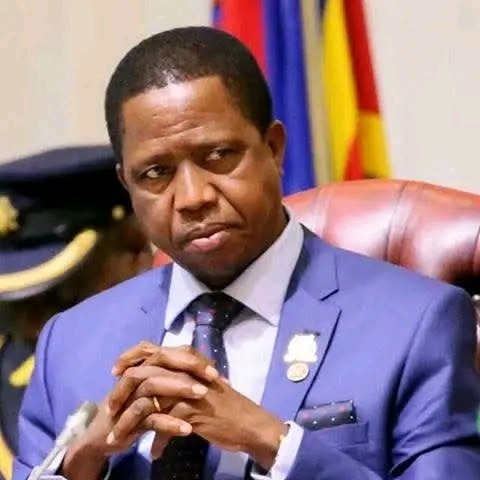
GUEST ARTICLE: A MISSED MOMENT – HOW ZAMBIA’S OPPOSITION SQUANDERED THE POST-LUNGU TRANSITION
By Masheke Akashambatwa
When Edgar Chagwa Lungu lost the 2021 presidential election, Zambia’s opposition—particularly the Patriotic Front (PF)—was presented with a rare and decisive opportunity: to use the former head of state’s stature, experience, and residual influence to manage an orderly succession and rebuild itself as a credible alternative government. Instead, internal indecision, misplaced loyalty, and persistent denial combined to derail that moment, leaving the opposition fractured and politically diminished.
A former president who exits office after defeat occupies a unique position in democratic politics. Such a leader can serve as a unifying figure—above factionalism—capable of guiding renewal without insisting on personal political resurrection. Edgar Lungu had the platform, the visibility, and the legitimacy to play precisely this role. He could have convened the party, encouraged generational transition, and overseen the emergence of a single, broadly accepted successor around whom the opposition could amalgamate.
That opportunity was missed.
Rather than treating Lungu as an elder statesman in transition, some quarters within the PF insisted on keeping him at the center of active politics. Calls for his “comeback” dominated the party’s post-election narrative. This insistence did more than merely delay succession; it actively undermined it. Potential successors were unable to fully emerge, factions entrenched themselves, and the party remained suspended between past leadership and future necessity. In effect, the PF attempted to relive yesterday’s politics in a context that demanded renewal.
This reluctance to let go also sent a damaging signal to the broader electorate. Voters who had decisively opted for change were offered little evidence that the opposition had listened, reflected, or adapted. Instead of presenting new ideas, new leadership, and a reformed internal culture, the PF appeared locked in nostalgia, defending its previous tenure rather than reimagining its future role.
Compounding this failure was the party’s persistent refusal to accept responsibility for its internal collapse. Rather than acknowledging that the disarray and confusion were largely self-inflicted, PF leaders repeatedly blamed the United Party for National Development (UPND) and the state for circumstances they themselves had created. While governments must always be scrutinized for fairness and adherence to the rule of law, blaming external forces for every internal shortcoming only deepened the opposition’s credibility crisis.
This narrative of victimhood became a substitute for introspection. Internal disputes, leadership wrangles, incoherent messaging, and organizational paralysis were framed as the result of persecution rather than poor strategic choices. In doing so, the PF not only failed to correct its course but also alienated supporters who expected accountability and honesty from their leaders.
The irony is that a managed transition anchored by Edgar Lungu’s endorsement of a successor could have strengthened the opposition significantly. Unity around one leader would have reduced infighting, clarified strategy, and allowed the party to focus on policy critique and alternative governance. Instead, by clinging to the past and denying responsibility for its own missteps, the PF finds itself in a weakened and miserable political position.
Zambia’s democracy benefits from a strong, organized, and credible opposition. The lesson from this episode is clear: leadership is not only about winning power, but also about knowing when—and how—to pass it on. By failing to use Edgar Lungu’s post-presidency wisely, the opposition missed a defining moment to renew itself and reassert its relevance on the national stage.
Masheke Akashambatwa
Data and political Analyst
This is a decent analysis. Well done. PF must pay heed. Actually, the biggest problem was that the party allowed Lungu to fight and settle personal scores with HH using the party and it’s membership. The result is that the opposition energy died with Lungu living the aspiring leaders jumping up and down like headless chickens. This we can all see.
Very well put. Late Lungu himself was a poor leader