

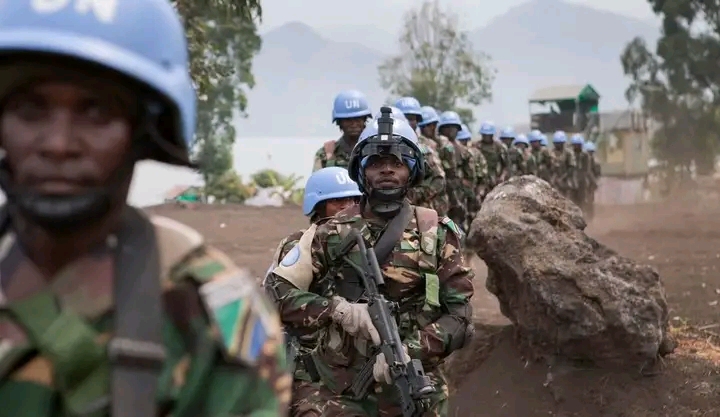
A ZAMBIAN SOLDIER DIES IN THE CENTRAL AFRICAN REPUBLIC – RETHINKING THE COUNTRY’S ROLE IN THE GREAT LAKES REGION
By Kellys Kaunda
When Staff Sergeant Alick Banda of the Zambia Army died recently in the Central African Republic where our men and women are part of a UN mission, I began to think about our role in the search for peace in the Great Lakes Region.
The core members of this region include Burundi, Rwanda, Uganda, DRC, Kenya and Tanzania.
A wider definition includes Ethiopia, Malawi, Mozambique and Zambia.
In 2004, the Heads of State and government of these countries met in Dar es Salaam to agree on how they could work together to find lasting peace in the region.
On its part, the UN has been involved in peacekeeping and stabilization missions in the region – the Central African Republic and the DRC – since the 1990s.
In fact, for the DRC, the first UN mission was in 1960 when chaos erupted after the Belgium government granted the country independence.
Zambia has been involved in UN missions in both the Central African Republic and the DRC for many years now.
In the case of the DRC, Zambia has also been involved in mediations among warring parties.
The questions we must seek to answer are: why does the region – the Central African Republic and the DRC – continue to be volatile despite all the international effort? And, what else can Zambia do either differently or enhance current efforts aimed at the search for peace in the region?
The Ministry of Foreign Affairs and International Cooperation has six departments, among them, the department of Great Lakes.
As the name suggests, this is where the technical team is believed to reside whose work must inform the role of the country’s political leadership.
If this department is to be really effective in its work, it must be staffed by officers with experience in the region such as former diplomats, former army officers who served in UN missions there and academics with relevant high qualifications specializing in the region.
Preferably, these should be at PhD level where their analytical skills would be necessary in teasing out the complex political, cultural, economic and security challenges of the region.
From my knowledge when I served in foreign service, I wasn’t sure if this department was appropriately staffed to make meaningful contributions.
Of course, am not suggesting this is the magic formula needed to resolve the conflicts in the CAR and the DRC.
There are gigantic problems that include geopolitical conflicts, appropriate levels of funding to the UN, AU and SADC missions and appropriate military gear for the soldiers of contributing nations.
However, while these are daunting challenges, Zambia must do her part by addressing those issues that are within her capacity to address – one day at a time.