

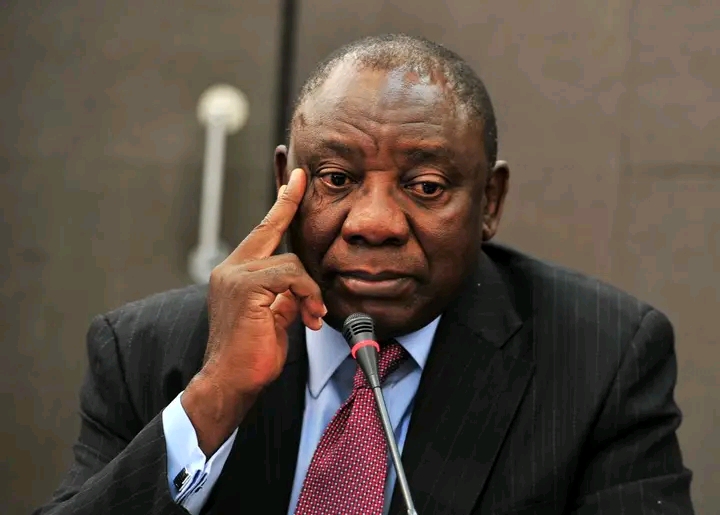
Blame, Power and Accountability: Examining Ramaphosa’s “White Supremacy” Claim in South Africa’s Crisis
President Cyril Ramaphosa’s recent remarks describing “white supremacy” as a major threat to South Africa have sparked intense public debate and sharply divided opinion across the country.
Supporters of the president argue that his comments reflect South Africa’s historical reality, where apartheid entrenched racial inequality whose economic and social effects are still visible today. They point to persistent disparities in wealth, land ownership, and access to opportunities as evidence that racial power imbalances did not disappear in 1994.
Critics, however, see the statement as misplaced and ironic in the current context. They note that South Africa is governed by a black-majority political leadership: the president and deputy president are black, the majority of cabinet ministers are black, most provincial premiers and mayors are black, and the judiciary is largely representative of the country’s demographics. From this perspective, they argue that blaming “white supremacy” risks deflecting attention from governance failures.
It is also a fact that South Africa has race-based legislation aimed at redressing past injustices, including employment equity, affirmative action and black economic empowerment policies. Supporters say these laws are constitutional and designed to promote equality. Critics counter that the growing number of race-classification policies has fuelled resentment, uncertainty, and claims of reverse discrimination.
What is not disputed is the scale of the crises facing the country:
• High unemployment, especially among the youth
• Energy insecurity and ongoing load shedding
• Crime and violent attacks
• Collapsing infrastructure and failing municipalities
• Weak economic growth and declining investor confidence
Many analysts argue that regardless of ideology, blame-shifting—whether towards race, history, or external forces—does little to resolve these challenges. Others maintain that ignoring historical injustice also undermines long-term stability.
The real question facing South Africa may not be who is to blame, but whether political leaders are willing to confront policy failures, improve accountability, and rebuild public trust while balancing redress with economic growth.
As the debate continues, South Africans across the political spectrum agree on one thing: the country’s future depends less on rhetoric and more on results.