

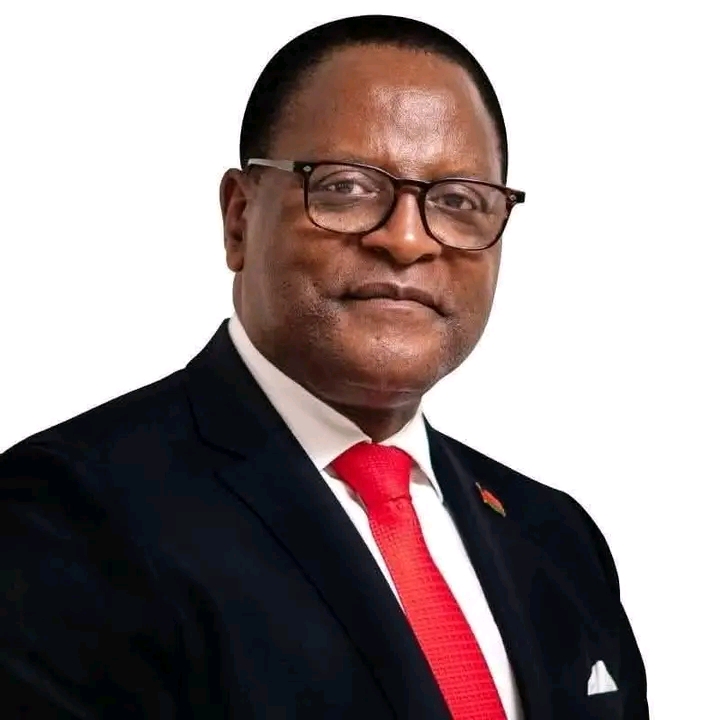
BROKEN PROMISES AND SCANDALS MARK CHAKWERA’S PRESIDENCY
Observers say the first signs of trouble in President Lazarus Chakwera’s administration appeared barely a month after his electoral victory in 2020, when he appointed a 32-member cabinet.
Critics noted that this was a sharp contrast to his predecessor, Peter Mutharika, who had maintained a cabinet of no more than 20 ministers throughout his first term.
Expectations of a lean government were dashed, and concerns grew further when some appointees were linked by family ties, prompting both local and international media to describe the team as a “connected-families cabinet.”
Although the controversy soon faded, the promise of reform remained in question.
During the swearing-in ceremony, President Chakwera gave his ministers 90 days to prove themselves, warning that non-performers would be dismissed.
However, analysts pointed out that the promised assessment never materialised. Instead, when pressed by the media, he dissolved his cabinet, only to reappoint nearly the same faces with minor reshuffles.
Critics assert that the President was slow in decision-making and lacked clear mechanisms to evaluate ministerial performance.
There was talk of assistance from Tony Blair’s office through a Presidential Delivery Unit, but its impact was said to have remained invisible.
Six months into his tenure, reports revealed that over K1 billion meant for the pandemic response had been misused.
President Chakwera appeared on national television, promising accountability, but apart from one minister’s dismissal and a handful of arrests that ended without charges, the matter was quickly dropped.
By October 2021, corruption scandals had multiplied, with the Zuneth Sattar case drawing international attention.
The Anti-Corruption Bureau implicated senior figures, leading the President to strip Vice President Saulos Chilima of his delegated powers.
Though Chilima was later arrested, the case dragged on before eventually collapsing in 2024.
Meanwhile, the government’s pledge to provide fertiliser at K4,995 reportedly turned into disappointment, as prices soared and farmers faced shortages.
Promises of creating one million jobs also fell short, with only a few temporary placements realised.
Economic challenges deepened, with chronic fuel shortages, foreign exchange scarcity, and a depreciating kwacha.
By mid-2025, passport printing had ground to a halt for months due to shortages of ink and paper, leaving students and businesspeople stranded.
Further controversy surrounded the Bridgin Foundation’s unfulfilled pledge of US$6.8 billion and the so-called Fertiliser Butchery scandal, in which nearly a billion kwacha was paid to a British meat shop for fertiliser that never arrived.
The tragic death of Vice President Chilima in a military plane crash in June 2024 shocked the nation, though analysts said the public had already grown disillusioned.
His replacement, Michael Usi, was sworn in, but the reshuffle did little to restore faith in the government.
By September 2025, as Malawians headed to the polls, critics argued that Chakwera’s presidency had left the nation weary, poorer, and mired in long queues for fuel, passports, and foreign currency.
They observed that his appeals for forgiveness from the electorate failed to resonate, as voters delivered their verdict through the ballot box.
Commentators now describe his five-year rule as a cautionary tale, saying what began as a hymn of renewal had ended as an era of disillusionment.
According to Malawian writer Stanley Onjezani Kenani, few would miss the preacher-President, with many now bidding him not farewell, but good riddance.