

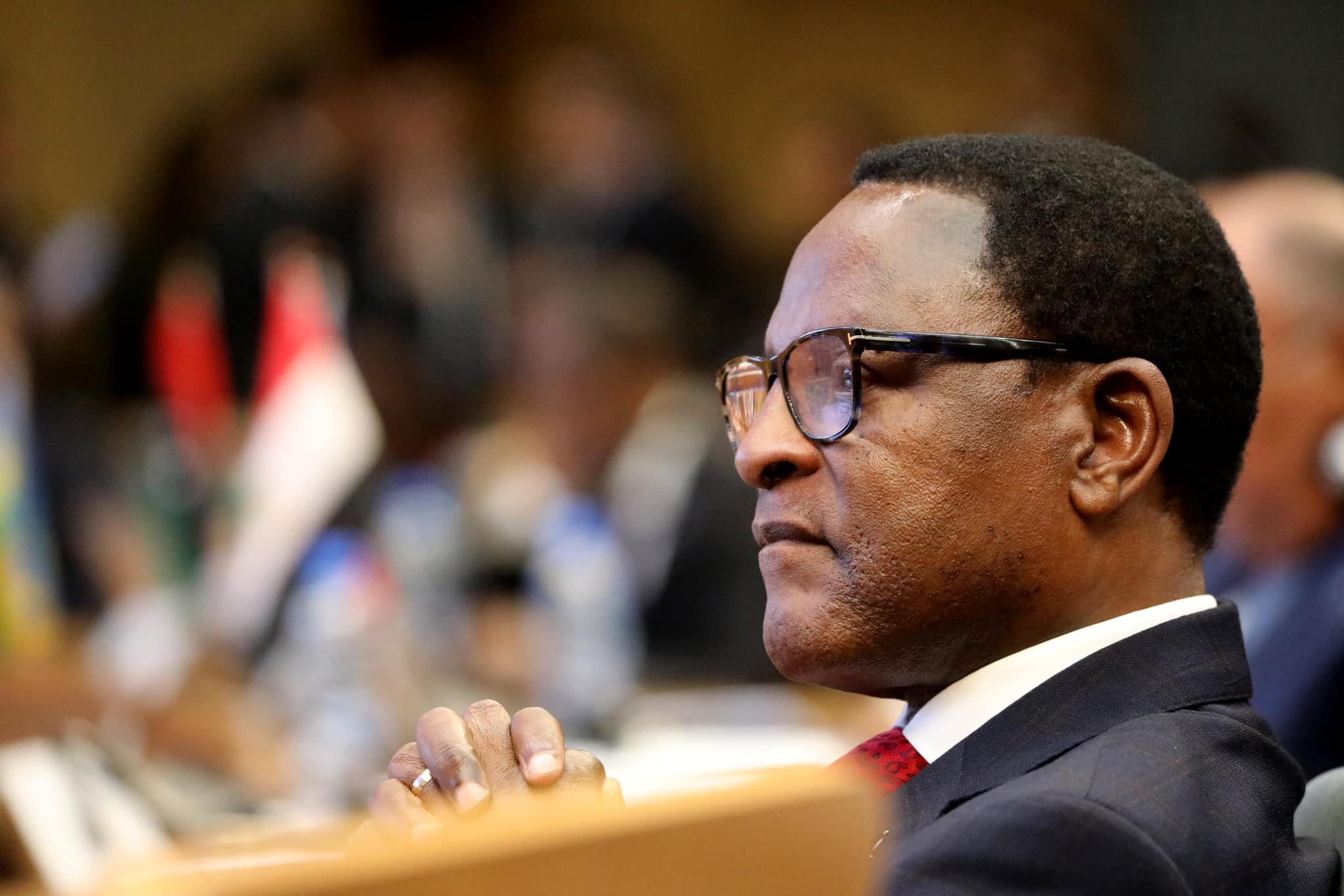
During the 2020 presidential campaign, President Lazarus Chakwera captured the hopes of Malawians with his Hi-5 agenda—a set of five key principles aimed at transforming Malawi’s governance, economy, and social welfare.
The Hi-5 principles—Servant Leadership, Uniting Malawians, Prospering Together, Ending Corruption, and Rule of Law—were at the core of his campaign, giving Malawians optimism for a fresh start after years of political instability and economic hardship.
However, as Malawi prepares for elections in September, growing public frustration suggests that these promises have largely remained unfulfilled.
Many Malawians feel disillusioned, arguing that instead of meaningful reforms and development, Chakwera’s administration has been marked by economic struggles, unfulfilled pledges, corruption scandals, and weak governance.
1) Servant Leadership: A betrayed promise?
One of Chakwera’s most powerful campaign messages was that he would be a servant leader, prioritizing the needs of Malawians over personal or political interests.
However, critics argue that his leadership style has mirrored those of past administrations—where power remains centralized, government resources are misused, and citizens’ voices are ignored.
Despite calls for a lean and efficient government, Chakwera’s administration has maintained a bloated cabinet, costing taxpayers millions while the majority of Malawians struggle to afford basic necessities.
His frequent international trips, often with large delegations, have also drawn public anger, as many believe these trips offer little benefit to ordinary Malawians and only drain government funds.
Instead of being a government that serves the people, many believe Chakwera’s leadership has become distant from the realities of ordinary citizens.
2) Uniting Malawians: A country more divided than before
During his campaign, Chakwera positioned himself as a unifier—a leader who would bring together different political, regional, and tribal factions to create a stable and progressive Malawi.
However, his presidency has been marred by growing divisions within his own Malawi Congress Party (MCP), as well as tensions within the Tonse Alliance, the coalition that brought him to power.
Many of his government appointments have been criticized for favoring individuals from the Central Region, particularly from his home district of Lilongwe, raising concerns about regionalism and nepotism.
His strained relationship with Vice President Saulos Chilima and other alliance partners has weakened the unity that once promised a strong and collaborative government.
With the 2025 elections approaching, Chakwera’s failure to unite Malawians has created a fragmented political landscape, where opposition parties and even former allies are preparing to challenge his leadership.
3) Prospering together: An economy in crisis
Chakwera’s Hi-5 agenda promised economic growth and shared prosperity, yet the reality on the ground paints a different picture.
Malawi’s cost of living has soared, with inflation driving up the prices of basic goods like maize, fuel, and electricity.
The kwacha has depreciated significantly, making imports more expensive and further worsening the economic situation for ordinary Malawians.
Unemployment remains high, particularly among the youth, despite promises to create more jobs and empower local businesses.
Small and medium enterprises (SMEs) continue to struggle due to high taxation, lack of access to financing, and an unfavorable business environment.
For many Malawians, instead of “prospering together,” the country has become poorer together, and they are now questioning whether Chakwera’s administration has th…
-MARAVIPOST