

CLOSE-UP: Electricity Crisis: Pressure, Blame Deepens, Reality Bites
Zambia is facing one of its hardest power shortages in modern memory. ZESCO has confirmed that parts of the country are receiving as little as three hours of power a day, citing what it called a “severely constrained” system and limited regional imports. The situation has disrupted normal load-management schedules and triggered public anger, business losses and fresh political debate about responsibility and planning.
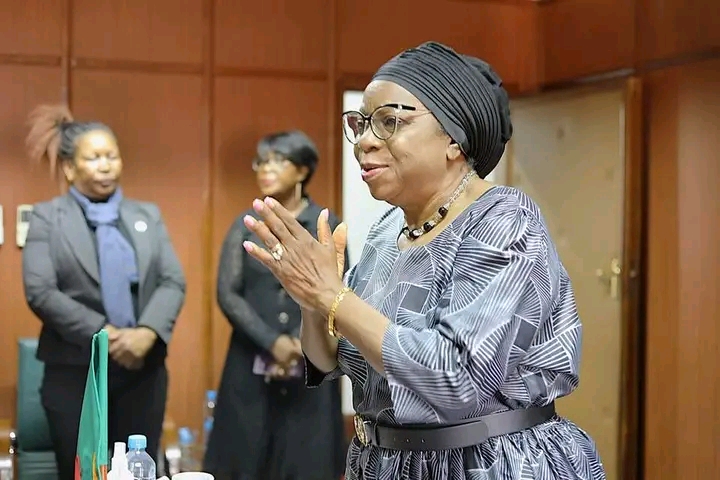
Vice President Mutale Nalumango told Parliament that the United Party for National Development should not shoulder the blame alone. She argued that UNIP, the Movement for Multi-Party Democracy and the Patriotic Front all failed to expand firm power generation over decades. “The UPND government could have done better if it had taken over with a robust generation base,” she said.
She also insisted that power exports have been suspended, a claim now under political and legal scrutiny as opposition figures challenge it in court.
On the other side of the conversation, analysts and opposition voices say citizens are not interested in historical explanations. Dr Mukange John Michael described the crisis as a “national tragedy that has sunk into every home and business.”
He argued that the problem is not only drought, but decades of poor planning and slow diversification. He warned that students, clinics, welders, salons and market food vendors are now bearing the brunt, and said the country cannot frame the crisis only as a climate shock.
“Loadshedding is not merely a climate problem. It is a governance problem,” he wrote.
Golden Party leader Jackson Silavwe accused government of underestimating the crisis, pointing to rising food costs, business closures and social strain. He argued that the 100 megawatt solar projects launched this year are insufficient to match the scale of the deficit.
“If the deficit is above 1,500 megawatts, government must be targeting 3,000 megawatts, not incremental additions,” Silavwe stated.
His comments reflect growing frustration that policy announcements have not translated into visible relief.
The technical picture remains harsh. Lake Kariba measured 476.79 meters this week, with roughly 8.91 percent usable storage, leaving hydropower output severely suppressed. Thermal power has been in maintenance cycles during the driest period, and imports remain unstable due to regional shortages. Without batteries, peaker plants or large-scale backup capacity, every lost megawatt translates into longer blackouts. ZESCO has warned that schedules may shift without notice to protect infrastructure from collapse.
Public trust is thinning. Households now face twenty-hour blackouts. Grinding mills, welding shops, butcheries, saloons, Internet cafés and restaurants report collapsing income. Parents report children studying by torchlight. Boarding schools struggle to cook. In Lusaka and the Copperbelt, residents have turned to charcoal, solar lamps and generators, worsening deforestation and raising household spending. The lived experience is not theoretical. It is a daily economic shock.
At the political level, allegations of continued exports remain a pressure point. Some mining contracts operate on commercial agreements predating the crisis, although government insists domestic supply now comes first. Critics argue that transparency is missing. In a high-stress environment, Zambians want data, not assurances. They want schedules that hold, numbers that explain decisions, and realistic timelines for recovery.
The core challenge is straightforward: hydropower cannot carry the system alone, and diversification has lagged behind population and industrial growth. Reform has begun, including open access for private power and tariff restructuring, but citizens measure progress in hours of light, not policy communiqués. Until firm capacity is built, the grid remains exposed to weather cycles and regional shortages.
Zambia is not alone in climate-driven power stress, but politics do not operate in regional averages. Public perception today is blunt. Many people believe President Hakainde Hichilema has failed to deliver on energy stability. The administration counters that it inherited an overstretched system. Both statements contain truth. What matters now is execution. Citizens are not waiting for speeches. They are waiting for electricity.
© The People’s Brief | Ollus R. Ndomu
Just what to do with this hot potatoe? One can not just swallow it whole. It needs to share adequately, while we remain on the non receiving end of power. Sad life.