

🇿🇲 VIEWPOINT | Gulf Oil Shockwaves & Zambia’s Economic Exposure
Oil markets have entered a period of acute sensitivity. Just yesterday, Brent crude rose above $78 per barrel, after briefly jumping more than 10% in early Asian trade, following reported attacks on vessels near the Strait of Hormuz. The Strait carries about 20% of the world’s oil and gas supply. When that artery tightens, prices react within hours.
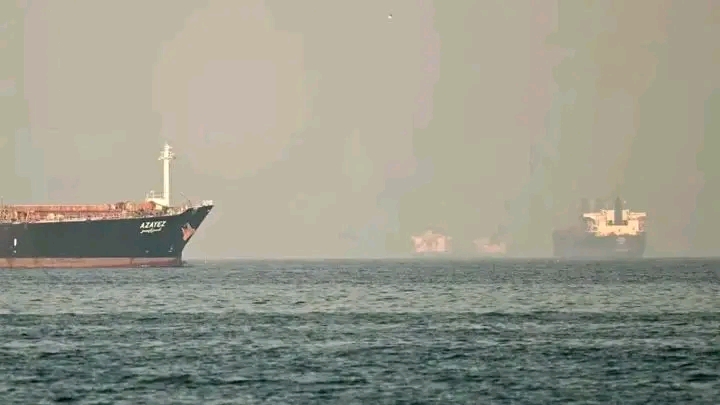
The BBC reported that global oil prices surged after at least three ships were attacked near the Strait, as Iran continued strikes across the Middle East. The UK Maritime Trade Operations Centre confirmed “multiple security incidents” and said two vessels were hit by projectiles while an “unknown projectile” exploded close to a third.
Shipping analysts have quoted saying around 150 tankers had dropped anchor in Gulf waters, effectively slowing maritime movement through one of the world’s most critical energy chokepoints.
Energy analysts are cautious but alert. Saul Kavonic, head of energy research at MST Marquee says: “The market isn’t panicking.” He added that “there is more clarity that so far, oil transport and production infrastructure hasn’t been a primary target by any side.” Markets are watching whether traffic through the Strait normalises. If it does, prices could retreat. If disruption persists, escalation becomes priced in.
Other voices are less measured. Edmund King, president of the AA in the UK, warned via the BBC that “the turmoil and bombing across the Middle East will surely be a catalyst to disrupt oil distribution globally.” Analysts cited by the BBC have cautioned that a prolonged shutdown could push oil above $100 per barrel. That threshold is psychological and fiscal. It reshapes inflation expectations across emerging markets.
Zambia is not insulated. ERB Director General Elijah Sichone has confirmed that international oil prices have already risen by between four and five percent due to the tensions. He stated that Zambia currently holds “more than 20 days of stock cover for both petrol and diesel.” That stock buffer provides short-term stability. It does not shield the country from sustained global price pressure.
Fuel is not just a pump issue. Diesel powers mining trucks, agricultural machinery, logistics chains and thermal electricity backup. When crude rises, landed fuel costs increase. Higher fuel costs feed into transport, food prices and production inputs. Inflation, which recently eased to 7.5%, could face renewed pressure if global crude sustains upward momentum.
OPEC+ has moved to increase output by 206,000 barrels per day. But supply increments of that scale may not offset geopolitical risk premiums. Markets are pricing uncertainty more than shortage. Insurance premiums for ships transiting the Gulf have reportedly spiked. “Because of Iran’s threats, the strait is effectively closed,” Homayoun Falakshahi of Kpler has said, reflecting how perception alone can freeze trade flows.
Energy security has therefore become economic security. Zambia’s exploration of alternative supply corridors, including Walvis Bay, gains urgency under these conditions. Diversification of supply routes and acceleration of renewable energy expansion are no longer policy ambitions. They are macroeconomic safeguards. Oil shocks that begin in the Gulf now reverberate in Lusaka within days.
The question is no longer whether global conflict affects local economies. The question is how prepared economies are when it does.
© The People’s Brief | Ollus R. Ndomu