

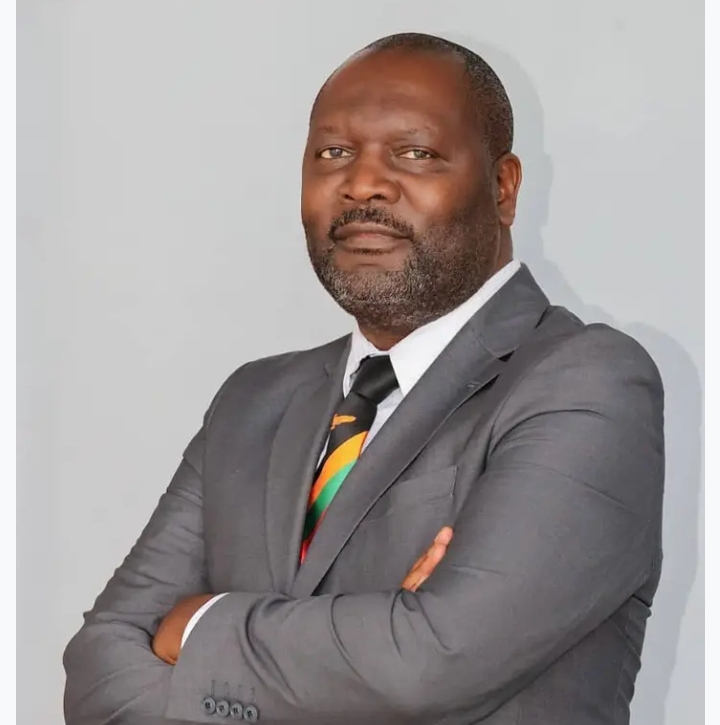
By Dr Mwelwa
There is something politically seductive about promises made during adoption season. They comfort the disappointed, calm internal tensions, and keep hopeful candidates inside the tent. But they must also be tested against arithmetic, reality, and history.
When President Hakainde Hichilema suggests that those not adopted may become ambassadors or nominated Members of Parliament, the statement may sound encouraging—but does it withstand scrutiny?
Reports indicate that well over 1,200 aspiring candidates have applied for National Assembly adoption under the ruling party. Zambia does not have 1,200 ambassadorial positions. It does not have hundreds of nominated parliamentary seats. In reality, the Constitution provides for only a very limited number of nominated MPs, while ambassadorial appointments are finite and already occupied by serving diplomats.
So the obvious question arises: what happens to those currently holding those positions? Are they all to be recalled to create space for disappointed aspirants? And if not, then what exactly is being promised?
This is where politics becomes dangerous. Hope, when exaggerated, can become manipulation.
Many aspiring candidates invest heavily during adoption processes. They mobilise supporters, spend resources, abandon businesses, and emotionally commit themselves to expectations that may never materialise. In such moments, broad political assurances can create an illusion of guaranteed reward where none actually exists.
History teaches us that after elections, political mathematics changes. The urgency to maintain internal unity fades. Campaign promises made to calm factions quietly dissolve into administrative silence. Suddenly phones stop being answered. Meetings become difficult. And those once told, “your time is coming,” begin to realise that politics often rewards only a small inner circle
This is not to say appointments never happen. Some do. But the scale implied by such statements creates expectations that no government can realistically fulfil.
And that is why aspiring candidates must remain politically sober.
A serious politician should seek adoption because they want to represent the people—not because they are hoping for diplomatic compensation if they lose. Public service is not a lottery ticket. Nor should politics become a queue for future appointments.
There is also a deeper institutional issue here. Ambassadorial positions are not supposed to function as consolation prizes for internal party management. Diplomacy requires competence, strategic understanding, and national representation beyond partisan calculations.
If every disappointed aspirant begins expecting appointment, governance itself risks becoming overcrowded by political debt.
The wiser approach for applicants is simple: contest because you believe in your leadership capacity. If adopted, serve. If not adopted, reorganise, rebuild, and continue engaging the people honestly.
But never build your political future around campaign-season promises that depend entirely on presidential discretion after victory.
Because in politics, applause during adoption season is loud.
OkBut disappointment after elections is usually very quiet.