

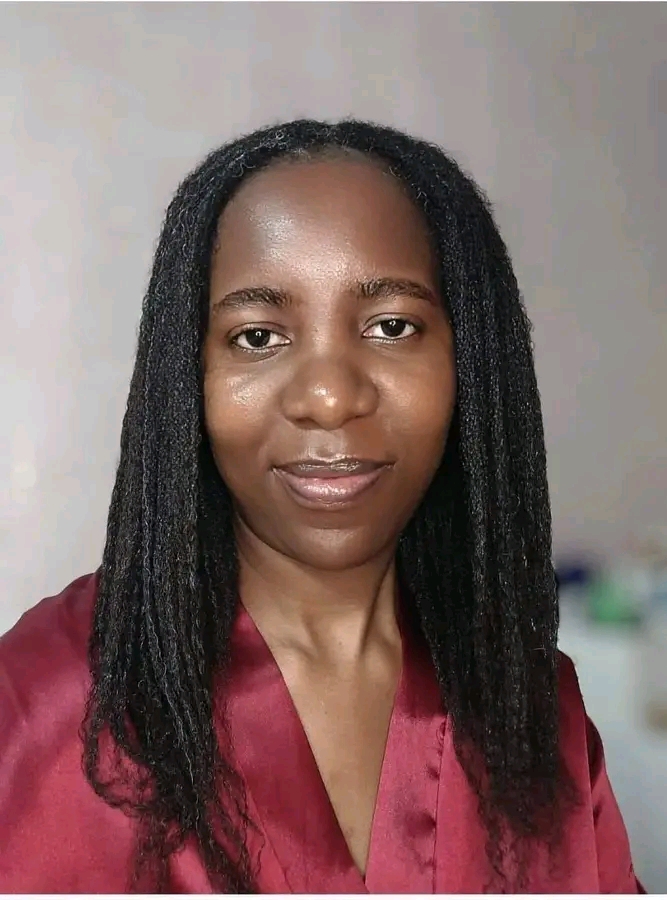
I Am Zambian. I Know No Tribe.
By Thandiwe Ketiš Ngoma
I am Zambian. Before anything else, before tribe, before region, before language, I am Zambian. My identity is not confined to the accident of where I was born or what mother tongue I speak. Yet, more than 60 years after independence, it pains me that we still allow the poison of tribalism to creep into our politics, our governance, and even our daily lives.
The Spirit of Our Founding Fathers
When Zambia became independent in 1964, our leaders understood the danger of ethnic division. Kenneth Kaunda, Simon Kapwepwe, Mainza Chona, Reuben Kamanga and others came from different tribes and regions, yet they worked side by side to defeat colonialism. They knew that freedom could only be achieved through unity.
This is why our national motto became “One Zambia, One Nation.” It was not an empty slogan. It was a binding principle. It was a shield against the very thing we are struggling with today. Kaunda often warned that if we allowed ourselves to be divided along tribal lines, independence would have no meaning.
The Constitutional Promise
Our Constitution reflects this vision. Article 8 lists national values and principles, including equity, equality, and non-discrimination. Article 23 prohibits discrimination on grounds of race, tribe, sex, place of origin, marital status, political opinion, colour, or creed.
In other words, Zambia has already declared in law that no one should be excluded from opportunity because of their tribe. To allow tribalism to dictate who gets which job, contract, or position is not only morally wrong, it is a direct violation of our Constitution. It undermines the very foundation of our Republic.
The Cost of Tribalism
Why, then, should we be divided on tribal lines? What do we gain from it? Does hunger ask what tribe you are before it strikes? Does poverty discriminate between a Tonga, a Bemba, a Lozi, or a Ngoni? When unemployment robs our young people of their future, does it check surnames first?
The truth is that tribalism is a disease. It shackles our progress and blinds us to merit. Instead of asking, “Is this person competent, honest, and committed to Zambia?” we ask, “Which tribe is he? Which side is she on?” In doing so, we deny ourselves the best of our own people.
And the cost is not abstract. When tribalism influences public appointments, citizens begin to lose faith in institutions. When government jobs are seen as belonging to a particular region or group, bitterness grows. Resentment takes root. And resentment, if unchecked, threatens the peace we have enjoyed since independence.
The Betrayal of a Dream
Zambia is not 73 tribes. Zambia is one people. Our borders do not stop at Muchinga, Western, Northern, or Southern Province. They bind us together. At independence, our parents and grandparents dreamed of a country united in purpose. Have we forgotten that dream?
Every time leaders exploit tribal loyalties to gain power, they betray that promise. Every time citizens vote not for policies but for surnames, we betray ourselves. Every time young people inherit tribal prejudice instead of national pride, we rob them of their rightful inheritance, a Zambia bigger than any single tribe.
A Call to Leadership and Citizenship
I refuse to be boxed in. I refuse to be told that my worth depends on my surname. I refuse to see my brothers and sisters reduced to stereotypes. I know no tribe. I only know Zambia.
But declarations are not enough. We need action. We need leaders who will put constitutional principle above political convenience, who will appoint on merit rather than tribal balancing. We need citizens who reject divisive rhetoric, whether in political rallies, workplaces, or WhatsApp groups. And we need to teach our children, in schools and in homes, that their first and proudest identity is Zambian.
Unity Adds, Division Destroys
The truth is simple: tribalism will never feed us, never clothe us, never build our schools, never heal our hospitals. It only subtracts. Unity adds. Love multiplies. Division destroys.
Zambia has been called one of Africa’s most peaceful nations. But peace is not automatic. It is built daily through fairness, inclusion, and justice. If we continue to tolerate tribalism, we will chip away at that peace until nothing remains but regret.
So I say it again, with pride and with pain: I am Zambian. I know no tribe. And I long for the day when all of us, with one voice, can say the same — not as a dream, but as a lived reality.
Look at yourself in the mirror and see how a lier looks like. Is there an indigenous Zambian without a tribe? Just your names suggests the tribe you belong to. Their is nothing wrong about belonging to a tribe. What is wrong is when you think your tribe is superior to others. Your thinking is fake and corruped.You suffer from cultural suicidal tendencies. Is it because of the Ketis name?
She’s curious about the issue but she’s not bothered to read about how social science scholars try to tackle it. She is therefore not sufficiently informed to bring any light on the subject. In academia, this issue is found in diversity studies and can get really complex.
Lies between the teeth
Thandiwe Ketiš Ngoma knowing no tribe? Come on men, let’s be serious. You are not born where you are born as an accident. Talk tings which make sense.
All her online posts clearly reflect a strong tribal mindset—either you support her political group, PF, which is closely associated with her tribe, or you are considered an outsider. Her tribalism is evident and unmistakable.