

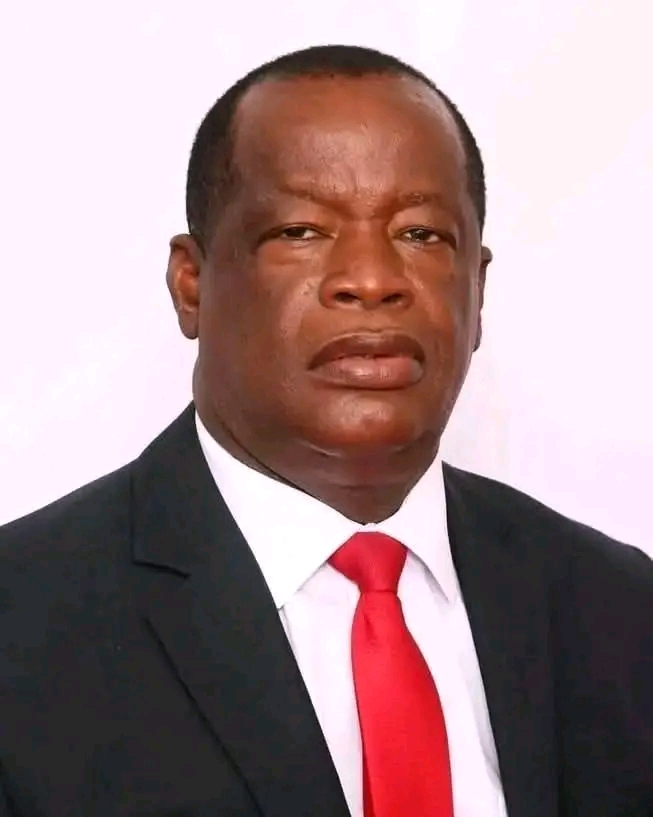
Police recruitment, neither secretive nor irregular – Mwiimbu
MINISTER of Home Affairs and Internal Security Jack Mwiimbu says the process of recruiting 4,000 police officers was neither secretive nor irregular.
Mr Mwiimbu said the recruitment was a targeted exercise designed to address specific institutional needs while upholding constitutional provisions.
He told Parliament in a ministerial statement yesterday that the selected candidates reflect the ‘face of the country’ as they were carefully chosen in alignment with the One Zambia, One Nation motto.
Mr Mwiimbu said during the 2023 recruitment of police officers, the Zambia Police Service received over 100,000 applications for the 4,000 available positions.
“From this verified and credible database, candidates were selected to fill the current vacancies,” he said.
“This approach ensured efficiency and reduced administrative costs as the candidates had already undergone initial screening, including verification of credentials and other eligibility requirements.”
Mr Mwiimbu explained that his ministry used the 2023 recruitment database to carry out this year’s exercise after being granted treasury authority to recruit 4,000 constables.
He said this decision was informed by a comprehensive human resource needs assessment undertaken by the police service.
The assessment identified critical staffing gaps which required urgent attention to enhance service delivery, strengthen public safety, and improve operational effectiveness across the country.
He said following a rigorous and transparent selection process, over 10,000 candidates were found to be eligible.
Mr Mwimbu said because of limited space at the time, only 4,224 were recruited, leaving a surplus pool of more than 6,000 pre-qualified candidates.
The minister said selected candidates reported on Sunday at Lilayi Police Training College, Kafue’s Geoffrey Mukuma Training School, and the School of Public Order Maintenance at Kamfinsa in Kitwe.
He said the recruits are currently undergoing screening and verification, and once they meet all prescribed standards, they will proceed to formal training and eventual deployment to perform core policing functions.
Mr Mwiimbu said prioritising previously vetted applicants was both strategic and equitable.
“It would have been unjust to overlook individuals who had already met all the recruitment requirements in favour of initiating an entirely new external process,” he said.
Mr Mwiimbu said internal mechanisms were used to absorb specialised professionals who are qualified civilians already serving in the police service.
Zambia Daily Mail
I remember the same process was used last time in education, hiring some teachers, am not sure why people are jumping up and down when the same is done at home affairs