

Lack of Political Freedom and the Failing Zambian Economy Under UPND
In the heart of Southern Africa, Zambia has long been a symbol of political transition, having experienced various shifts in governance, from authoritarian regimes to more democratic structures. However, under the current leadership of the United Party for National Development (UPND), headed by President Hakainde Hichilema, the nation faces mounting challenges. While the UPND’s rise to power in 2021 brought hope for reforms and economic recovery, the country’s political freedom has significantly diminished, and its economy remains in a state of change. The failure of Zambia’s economy, coupled with an erosion of political freedoms, presents a serious crisis with far reaching implications for the country’s future.
Political freedom is a cornerstone of any democracy. It enables citizens to voice dissent, engage in free expression, and participate in decision making processes. Under the UPND administration, however, many have argued that political space has become increasingly restricted. While the country is formally democratic, there are growing concerns about the government’s crackdown on opposition parties, media freedom, and civil society organizations.
One of the most hostile examples of the erosion of political freedom is the treatment of opposition parties and alliances. The UPND has been accused of using the state Machinery to suppress political opponents, particularly the PF of Edgar Lungu,NHP,GPZ,ULP,NDC of President Saboi,FDD more still on (PF), the party they succeeded after its defeat in the 2021 elections. Although the UPND promised to foster unity and inclusivity, critics argue that the current government has used its power to marginalize the opposition, often denying them the right to peacefull demonstrations, or speak out against the government’s policies.
Media freedoms, another vital pillar of democracy, have also come under threat. Independent journalists and media outlets critical of the government report increasing instances of harassment and intimidation. In some cases, journalists have faced arrests, and media houses have been targeted or face closures for covering stories deemed unfavorable to the administration. These actions have created a chilling effect, making it harder for the public to access unbiased information and hold the government accountable.
Furthermore, civil society organizations, which play a crucial role in safeguarding democracy and advocating for human rights, have reported increasing pressure from the UPND government. Non-governmental organizations (NGOs) that criticize government policies face bureaucratic hurdles and even threats of closure. This climate of fear has weakened the public’s ability to engage in meaningful political discourse and advocate for .
When the UPND assumed power in 2021, the party inherited an economy ravaged by years of mismanagement, soaring debt, and high inflation. With promises of revitalization, job creation, and fiscal discipline, the UPND gather significant support. However, more than three years into their term, the economic outlook remains unpleasant.
Zambia’s economy continues to struggle with high inflation, a depreciating kwacha, and increasing unemployment. Despite the UPND government’s attempts to restructure the country’s unsustainable debt and engage with international financial institutions like the International Monetary Fund (IMF) for bailout packages, the country is still grappling with a sluggish recovery. Economic growth projections remain subdued, and many Zambians are yet to feel the promised benefits of the new administration’s economic policies.
The rising cost of living is one of the most visible indicators of economic failure under the UPND. Prices of basic goods, including food, fuel, and utilities, have soared, leaving many Zambians struggling to make ends meet. The government’s attempt to stabilize the currency has yet to yield tangible results, with the kwacha continuing to lose value against major currencies. The resulting inflation has eroded purchasing power, particularly among the poor .
Moreover, the UPND’s efforts to diversify Zambia’s economy away from a heavy reliance on copper exports have met with limited success. While the government has launched various initiatives aimed at boosting agriculture, manufacturing, and tourism, these sectors have failed to provide the rapid growth needed to offset the country’s contiune to face physical struggle with debt burden. The mining sector, which remains the backbone of Zambia’s economy, continues to be plagued by policy uncertainty, leading to investor reluctance.
The lack of political freedom under the UPND and the failing economy are intrinsically linked. A government that curtails political expression and limits opposition voices creates an environment where accountability is weak. Without a strong opposition, an independent media, and active civil society, the government faces little pressure to enact meaningful economic reforms. Policies that fail to address the underlying structural issues in the economy, such as corruption, mismanagement, and an overreliance on copper, continue to worsen Zambia’s economic decline.
In Zambia’s case, the erosion of political freedoms has resulted in a lack of effective checks and balances, allowing government leaders to act with impunity. The economic failures under the UPND are often compounded by the government’s reluctance to listen to alternative viewpoints or make the necessary reforms to diversify the economy. With a shrinking space for public discourse and engagement, citizens are left with limited opportunities to demand a more accountable government or to propose alternative solutions to the country’s mounting economic challenges.
For Zambia to overcome the twin crises of political repression and economic decline, a concerted effort is needed on multiple fronts. Firstly, the government must take concrete steps to restore political freedom. This includes respecting the rights of opposition parties, media outlets, and civil society organizations to operate without fear of retaliation. Allowing for greater political pluralism and open discourse will ensure that the government remains accountable to the people and that policies are based on the diverse needs of society.
Economically, Zambia must focus on creating an environment that fosters sustainable growth. This includes ensuring fiscal discipline, diversifying the economy, and improving the business climate to attract foreign investment. The UPND’s promises of job creation and poverty reduction can only be realized if economic policies are restructured to empower small businesses, improve infrastructure, and support key sectors beyond mining and by allowing opposition voices.
International financial institutions and donor agencies also have a role to play. Their support can be more effective if they encourage democratic reforms alongside economic assistance, ensuring that the Zambian government is held accountable, rule of law and people for both political and economic governance.
Issued by
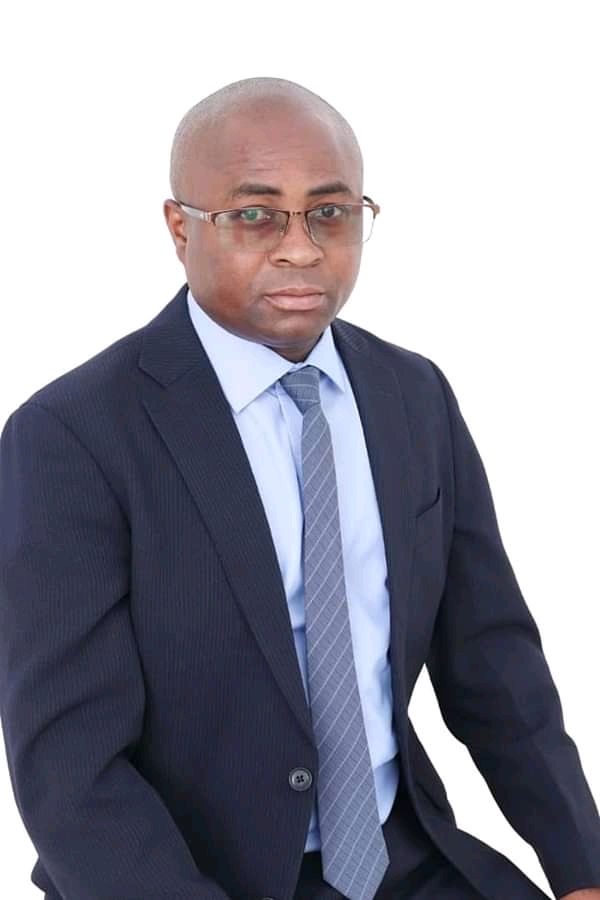
CHISALA KASAKULA, Msc in Politics and International Relations.