

⬆️ REGIONAL BRIEF | Malawi Votes: 7.2 Million Voters Head to the Polls
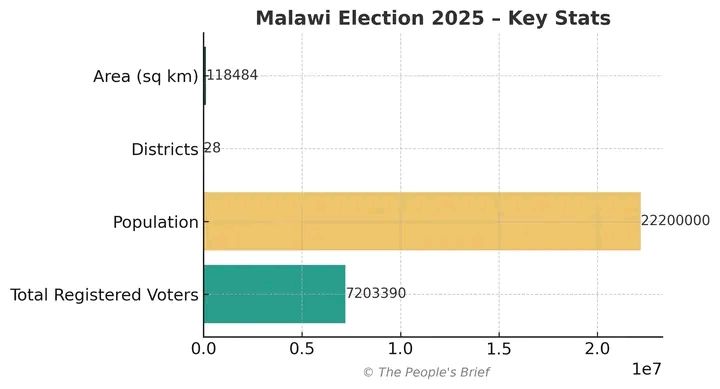
Malawi heads to the ballot today in a high-stakes election that could redefine the country’s political and economic trajectory. More than 7.2 million registered voters are expected to cast their ballots across 28 districts, in an election that spans presidential, parliamentary, and local council races.
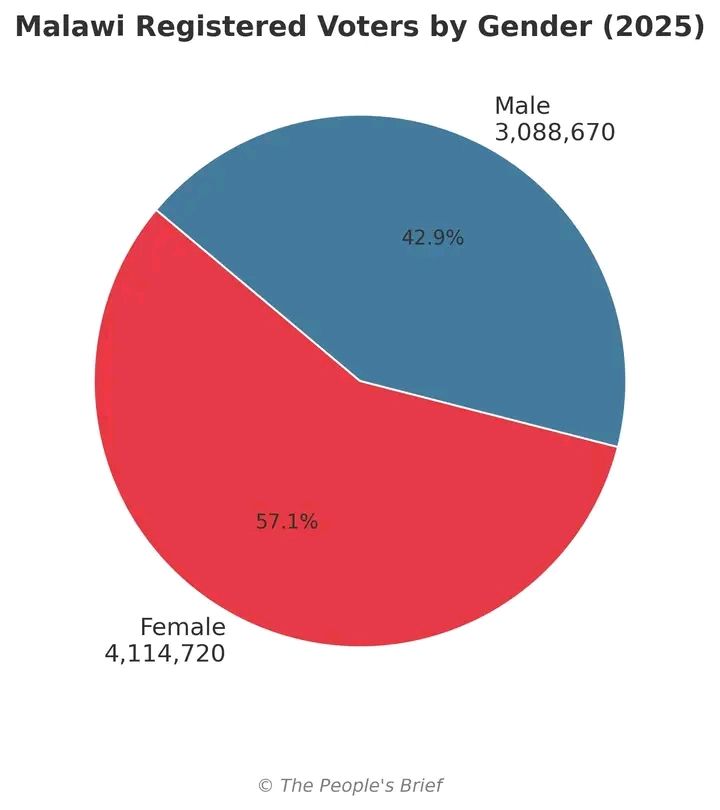
Out of the 7,203,390 registered voters, women make up the majority at 4.1 million, compared to 3 million men. Polling stations open at 06:00 hours and close at 16:00 hours, with voting taking place across an area of 118,484 square kilometres and a population now estimated at 22.2 million.
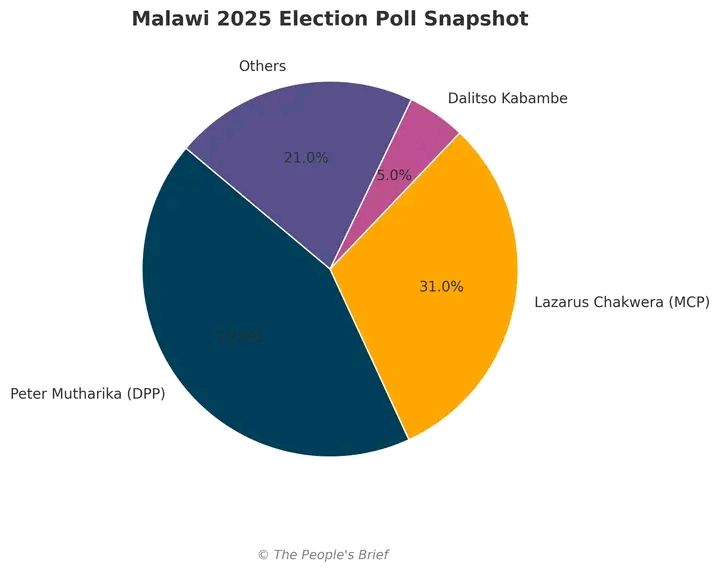
Seventeen candidates are contesting the presidency. But two names dominate the ballot: incumbent President Lazarus Chakwera of the Malawi Congress Party (MCP) and former President Peter Mutharika of the Democratic Progressive Party (DPP). This is their fourth direct clash at the polls. Mutharika first defeated Chakwera in 2014, won again in 2019 before that result was annulled, and finally lost to Chakwera in the historic 2020 rerun.
Today’s contest is framed as a referendum on Chakwera’s turbulent first term. His administration came in on the back of the “Tonse Alliance” wave, promising a break from corruption and economic stagnation. Yet the years since have been marred by soaring inflation, food and fuel shortages, and allegations of graft.
The dissolution of Cabinet on the eve of the election only heightened the drama, signalling both urgency and fragility at the top.
For Mutharika, at 84, this may be his last attempt at a political comeback. He is betting on public frustration with economic hardship to tilt momentum back toward his party. But critics argue he too has baggage, with memories of corruption scandals under his administration still fresh.
Beyond the two front-runners, former President Joyce Banda and economist Dalitso Kabambe may not win outright, but they could complicate the numbers in a tight race where a runoff is almost certain. Under Malawian law, a candidate must secure more than 50 percent of the vote to avoid a second round.
Parliamentary and local council contests also matter. Malawians will elect 229 MPs and 509 councillors, shaping the balance of power in governance and development planning. Strong turnout in rural districts where agriculture remains the lifeblood could determine not just the presidency but also the complexion of Parliament.
Key issues driving the vote include food security, job creation, corruption, and the cost of living. With inflation still above 20 percent and recent climate shocks devastating crops, many citizens say they will vote with their stomachs first. Youth voters, restless and digitally connected, form another decisive bloc demanding jobs, accountability, and inclusion.
This election is not just about who governs Malawi. It is about whether the country’s democratic institutions so celebrated in 2020 after the annulment of a flawed election can once again deliver credibility under immense pressure.
© The People’s Brief | Regional