

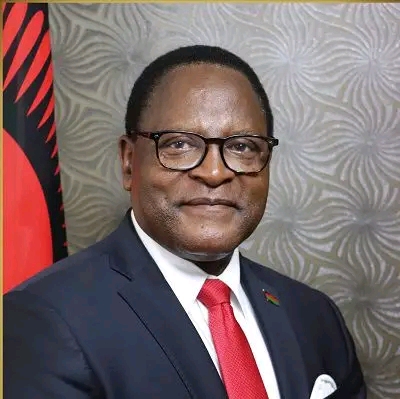
Reflections on Chakwera’s Fall: Five Lessons from Malawi’s Electoral Earthquake
A reflection by Rev Walter Mwambazi
President Lazarus Chakwera’s concession in Malawi’s 2025 general elections marks more than just a political transition – it is a sobering verdict on leadership, trust, and the weight of unmet expectations. His defeat to former President Arthur Peter Mutharika is not merely a swing of the electoral pendulum; it is a referendum on broken promises, fractured alliances, and the economic pain felt in every household.
里 Five Major Factors Behind Chakwera’s Defeat
✍ 1. The Rift with Saulos Chilima and His Tragic Death
The deterioration of Chakwera’s alliance with Vice President Saulos Chilima—once a charismatic pillar of the Alliance—left a vacuum in both leadership and public trust. Chilima’s untimely death in a plane crash only deepened public suspicion and grief. While no evidence implicates foul play, the timing and political tensions surrounding his demise fueled conspiracy theories and eroded confidence in the incumbent’s moral authority.
✍ 2. Persistent Economic Hardships
For three consecutive years, Malawians endured inflation above 20%, chronic fuel shortages, and a deepening cost-of-living crisis. Cyclone Freddy in 2023 exacerbated the situation, but even before the disaster, the administration’s sluggish response to hunger, forex scarcity, and agricultural decline had already alienated the electorate. The economy became the campaign message that needed no messenger – it was felt in every home.
Sound familiar?
✍ 3. Collapse of the Alliance and UTM’s Influence
The Alliance, once a symbol of unity and reform, fractured under the weight of internal discord. Chilima’s party, the United Transformation Movement (UTM), lost its spark after his death, and his successor failed to connect with grassroots concerns. Without Chilima’s charisma, the alliance lost its northern swing vote and urban youth support.
For me this is the second biggest factor behind the loss. The first being a protest vote after unmet expectations and “lame” excuses.
✍ 4. Perceived Corruption and Nepotism
Chakwera’s administration faced mounting accusations of corruption, nepotism, and misuse of public resources. Even loyalists within the Malawi Congress Party (MCP) criticized the leadership for taking citizens for granted and failing to uphold transparency. The perception of a government more concerned with consolidating power than serving the people proved politically fatal.
This right here is the biggest reason for their loss.
✍ 5. Electoral Missteps and Overconfidence
The MCP’s attempt to block the announcement of election results through court injunctions was seen by many as desperation. Overconfidence in the Malawi Electoral Commission’s loyalty backfired, especially when the High Court dismissed their injunction and allowed results to be released. This eroded the party’s credibility and reinforced the narrative of a leadership out of touch with democratic norms.
Lessons for Regional Leaders: Kenya, Botswana, Zambia
The fall of Chakwera offers a cautionary tale for leaders across Southern and Eastern Africa. Presidents William Ruto (Kenya), Duma Gideon Boko (Botswana), and Hakainde Hichilema (Zambia) would do well to heed these lessons:
️ Guard Coalitions with Integrity
Alliances are fragile. When built on convenience rather than shared vision, they collapse under pressure. Leaders must nurture trust and transparency within their coalitions, especially when navigating succession politics.
️ Prioritize Economic Justice Over Political Optics
Infrastructure projects and macroeconomic jargon mean little when citizens can’t afford food or fuel. Bread-and-butter issues must remain central, and economic recovery must be felt – not just announced.
Here in Zambia the Patriotic Front were far better at PR than even the current (apologies for Jito’s brilliant videos) yet they lost! The majority grassroots don’t care about elaborate videos with great editing, they care about their daily needs.
✍ Respect Democratic Institutions
Attempts to manipulate electoral processes or silence dissent erode legitimacy. Upholding judicial independence and electoral transparency is not just ethical – it’s strategic.
✍ Avoid Personality Cults and Power Consolidation
Leadership must be distributed, not hoarded. When one figure dominates, the system becomes brittle. Empowering capable deputies and fostering institutional resilience is key.
✍ Stay Close to the People
Symbolic gestures and speeches are no substitute for proximity. Leaders must remain accessible, responsive, and humble – especially in times of crisis.
President Chakwera’s fall was not inevitable – but it is instructive. It reminds us that leadership is not merely about winning elections; it’s about sustaining trust, delivering justice, and walking humbly with the people. For those still in power, the message is clear: govern wisely, or the people will choose otherwise.
Well written article. In Zambia the goodness is that the current President is doing okay & you find that the people against are the same who opposed HH when he was in opposition.
President Lazarus Chakwera was a religious nut who was expecting God’s miracles to help him govern Malawi. He prayed and prayed for God’s intervention but it did not come. His idealism was given a chance but was found wanting.
Sounds like another person in Zambia who thinks being religious will solve Zambia’s economic woes. Throwing money at problems when you dont have money is not a solution. Zambia was bankrupt in 2021 and is grappling with that. Zesco loadshedding is a problem technocrats saw decades ago. But politicians like the one I speak of, chose to lie and cover up about the problem. They are the same kind of people that will speak of nationalising the mines. Mucho loco
For UPND, they need to understand that voters do not make electoral decisions in the election year, they do that way before elections, to try and turn things around now will not yield the desired results because as of now people have already made their decision, they know whom to vote against even if they have not found a definite replacement yet, which will workout as we go. It will ignite on one individuals and for Zambians it will be all systems go
Stop deceiving yourself. While there are still unfulfilled commitments, the current administration has accomplished a great deal to warrant a second term. Who, in their right mind, would consider Lubinda and the PF? Just recently, a former PF minister was sentenced to prison for embezzling $11 million.
How many young people have found employment, been sent to colleges, and are receiving financial support? Botswana is facing more severe economic difficulties than Zambia due to a decline in diamond demand. Name one country in the SADC region that is free from economic challenges—perhaps Mauritius. Look into the situations of Angola, Mozambique, and Namibia before claiming that everything is perfect.
Well stated.